Introduction
Milwaukee homeowners depend on a steady flow of electricity to run appliances, heating systems, and home offices. Situated on the western edge of Lake Michigan, the city sees frequent summer thunderstorms and winter ice storms that can trigger sudden voltage spikes on the power grid. These surges travel through utility lines and may damage televisions, computers, refrigerators, and even the wiring inside walls. In Milwaukee County, many older homes-especially in neighborhoods like Bay View, Wauwatosa, and West Allis-were built before modern surge protection became standard. A whole‑home surge protection device installed at the main electrical panel acts as a barrier, diverting excess voltage safely to ground before it reaches household circuits. By adding this layer of defense, residents protect valuable electronics, extend appliance life, and reduce the risk of fire caused by uncontrolled surges. For expert guidance and installation, call Incan Electric at (262) 235-5444.
What is Whole-Home Surge Protection
Whole-home surge protection is a device mounted directly on a home's main electrical panel. Unlike plug‑in power strips that guard only the outlets they cover, this system monitors the entire incoming voltage and redirects excess energy to the grounding system when a spike occurs. The device reacts within nanoseconds, preventing harmful voltage from reaching branch circuits that feed lights, appliances, and electronics.
There are two primary types: Type 1 units are installed on the line side of the meter, offering the first line of defense against lightning‑induced surges from the utility. Type 2 units sit on the load side of the panel and protect against surges generated inside the home, such as those caused by motors cycling on and off. A licensed electrician evaluates the panel's capacity and selects the appropriate type based on the home's size, electrical load, and local code requirements.
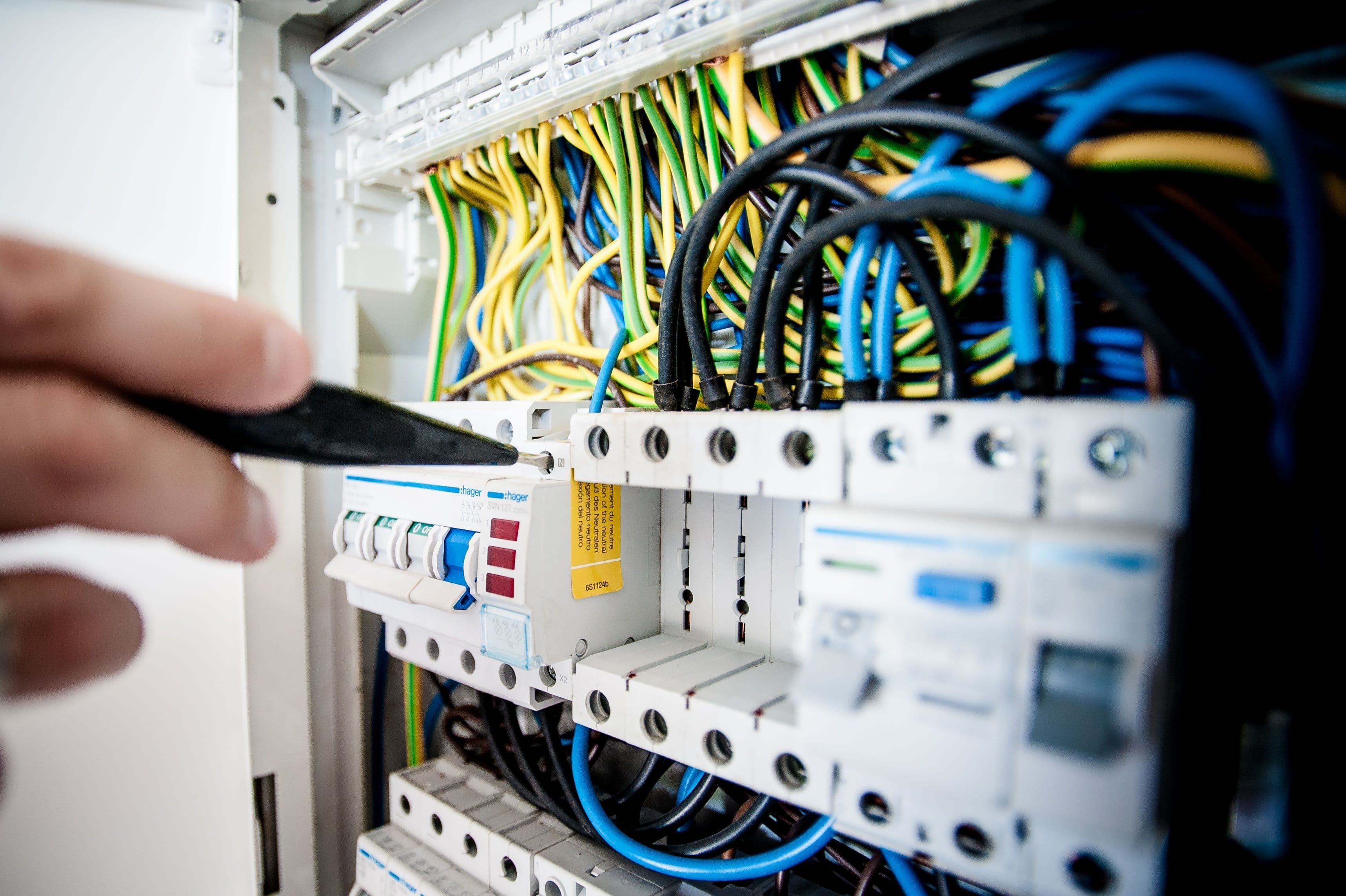
Once installed, the surge protector works silently in the background, providing continuous protection for every circuit in the house. It helps safeguard expensive electronics like televisions, gaming consoles, and home office equipment, as well as major appliances such as refrigerators, washing machines, and HVAC systems. By stopping surges at the source, the device also reduces wear on wiring and lowers the likelihood of costly repairs or replacements.
Signs You Need It
Frequent Power Surges
Lights that flicker for no apparent reason or electronic devices that reset unexpectedly can indicate low‑level surges moving through the grid. These micro‑surges may not trip breakers, but they degrade sensitive components over time. Homeowners who notice this pattern should consider a whole‑home surge test to determine if external voltage fluctuations are affecting their electrical system.
Damaged Electronics After Storms
After a thunderstorm, discovering that a television, computer, or kitchen appliance has stopped working often points to a surge that entered the home through the service entrance. While point‑of‑use strips may protect individual plugs, they cannot stop a large voltage spike from reaching the panel. Whole‑home protection stops the surge before it spreads to branch circuits.
Flickering or Dimming Lights
Lights that dim or brighten without a change in switch position can signal voltage instability originating from the utility or nearby lightning activity. Such fluctuations stress the insulation on wiring and can shorten the lifespan of LED bulbs and electronic drivers. Persistent dimming warrants an inspection of the home's surge defense capabilities.
Older Electrical System
Houses built before the 1990s frequently lack any built‑in surge suppression at the panel. Older wiring may also have degraded insulation that is less tolerant of voltage spikes. As modern homes contain more microprocessors in appliances and entertainment systems, the absence of panel‑level protection leaves these devices vulnerable to everyday grid fluctuations.
New Expensive Electronics
Adding high‑value equipment such as an electric vehicle charger, a home theater system, or a smart‑home hub increases the potential loss from a single surge event. These devices often contain delicate circuitry that can be damaged by voltages far above their rating. Whole‑home surge protection provides a cost‑effective way to safeguard these investments against both external and internal spikes.
Work Process
A licensed electrician begins by turning off the main breaker and examining the electrical panel for available space, grounding condition, and overall code compliance. The inspector checks the service entrance cables for signs of wear and verifies that the panel can accommodate the chosen surge protection device without overloading neutrals or grounds.
Based on the panel's amperage rating and the home's estimated load, the electrician chooses between a Type 1 surge protector, which mounts on the line side of the meter, or a Type 2 unit, which installs on the load side of the panel. The selection also considers local utility requirements and the desired level of lightning protection.
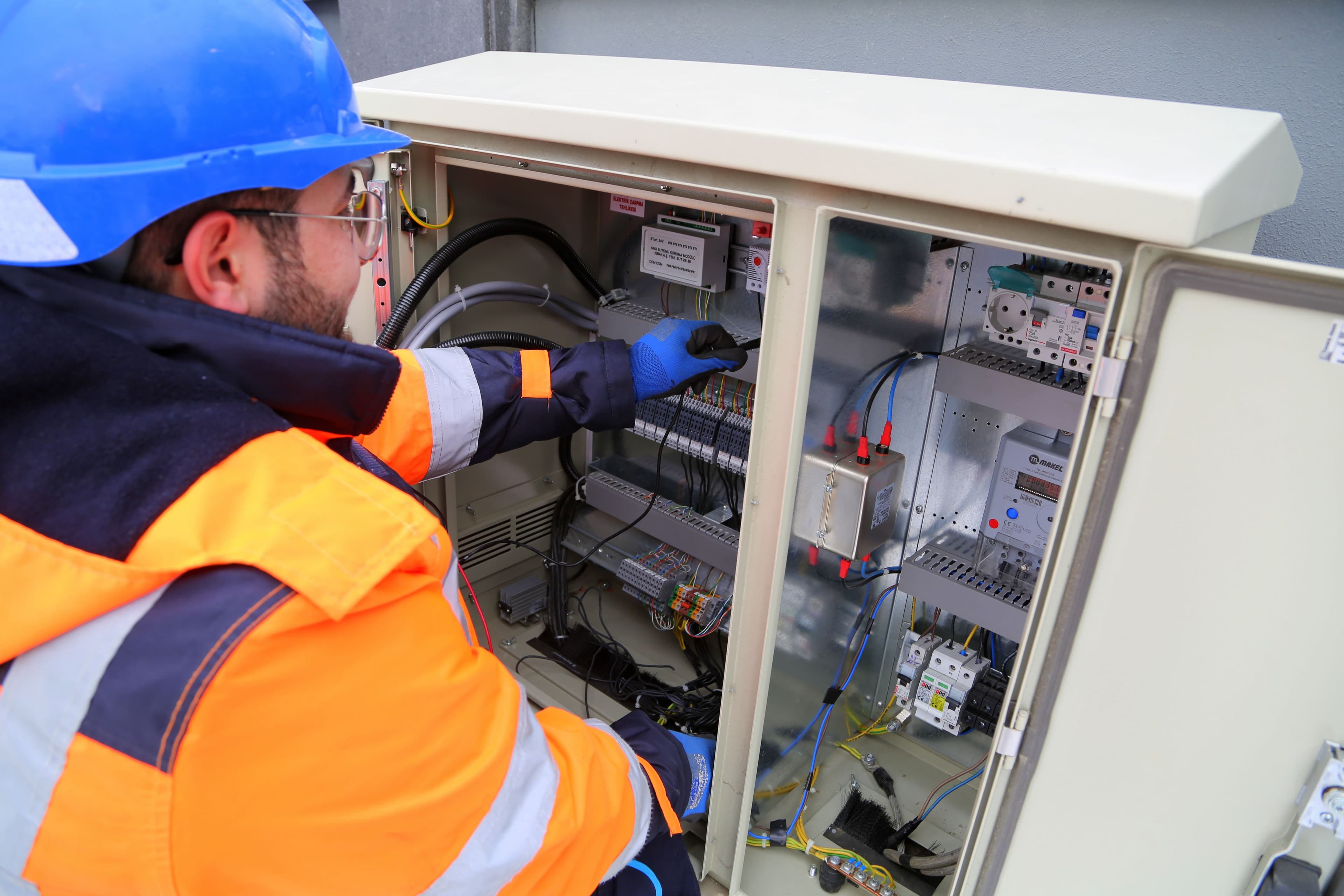
The chosen device is securely fastened to the panel's DIN rail or mounting bracket, and its conductors are connected to the appropriate lugs. Grounding wires are attached to the panel's grounding bar, ensuring a low‑impedance path to earth. All connections are torqued to manufacturer specifications to prevent loosening over time.
After installation, the main breaker is restored and the surge protector is energized. The electrician uses a surge generator or impulse tester to confirm that the device clamps voltage at its rated level. Indicator lights on the unit are checked to verify proper operation, and any fault codes are cleared.
Finally, the electrician provides the homeowner with a documentation packet that includes the device model, installation date, test results, and warranty information. A reminder is given to schedule a visual inspection every five years or after any major lightning event to ensure continued protection.
Service Coverage in Milwaukee & Nearby Areas
Incan Electric provides whole-home surge protection installation throughout Milwaukee County, including Milwaukee, Wauwatosa, Brookfield, West Allis, Franklin, Greendale, Greenfield, Oak Creek, Cudahy, and St. Francis. Technicians are familiar with local utility practices and can usually arrive within 24 hours for urgent requests. Licensed professionals ensure each installation meets NEC standards and municipal codes, giving homeowners confidence that the system will perform reliably year-round.
Why Choose Incan Electric
Incan Electric has served Milwaukee County homeowners for over 15 years with licensed, insured electricians who specialize in surge protection systems. We understand the unique challenges posed by Wisconsin's weather patterns and aging electrical infrastructure, and we tailor each solution to the specific needs of the property. Our team prioritizes safety, clear communication, and lasting results, backing every installation with a warranty and responsive support. For trusted whole-home surge protection, call Incan Electric at (262) 235-5444.
FAQ
How does whole-home surge protection differ from power strips?
Power strips protect only the devices plugged into them, while whole-home systems shield every circuit in your house. Point-of-use strips are still recommended for sensitive electronics like computers, but whole-home protection stops surges from entering your wiring in the first place.
Do I still need surge protectors for my electronics if I have whole-home protection?
Yes. Whole-home systems handle large surges from outside sources, but localized surges (such as those from motors in appliances) can still affect individual devices. Layered protection with point-of-use strips provides comprehensive safety.
How long do whole-home surge protectors last?
Quality surge protectors typically last 10‑20 years, but they can fail after absorbing a major surge. We recommend inspection every five years and replacement after significant electrical events to ensure continued protection.
Need Whole-Home Surge Protection in Milwaukee?
If you want to shield your home's electronics and appliances from damaging voltage spikes, professional installation of a whole-home surge protection system is the safest choice. Our licensed electricians will evaluate your panel, recommend the right device, and complete the work to code. To schedule your service or ask any questions, call Incan Electric at (262) 235-5444 today.