Introduction to Knob-and-Tube Wiring Replacement in Waukesha
Many homes in Waukesha, WI, particularly older structures found throughout Southeastern Wisconsin, were originally constructed with a wiring system known as knob-and-tube. While functional in its era, this wiring method often presents significant limitations and potential safety concerns in modern homes. Understanding the characteristics of knob-and-tube wiring and the implications of its presence is crucial for homeowners considering electrical upgrades or safety assessments. This guide aims to provide a comprehensive overview of knob-and-tube wiring replacement, offering practical insights into why it might be necessary and what the process entails for properties in the Waukesha area. Addressing outdated electrical systems proactively helps ensure the long-term safety and functionality of a residence.
What is Knob-and-Tube Wiring?
Knob-and-tube wiring was an early standardized method for electrical wiring in buildings, used extensively from the 1880s to the 1940s. The system consists of single insulated copper conductors run individually through wall and ceiling cavities. Ceramic knobs are used to support the wires, holding them taut and keeping them separated from structural elements. Ceramic tubes protect the wires where they pass through wooden joists or studs. The insulation on these wires is typically rubber-coated cloth, a material that can degrade significantly over many decades due to age, heat, and environmental factors.
Unlike modern wiring, knob-and-tube systems lack a dedicated equipment grounding conductor. This absence means that outlets powered by knob-and-tube wiring typically do not offer grounding, which is a fundamental safety feature in contemporary electrical installations. While the system was innovative for its time, its design assumes open air for heat dissipation, a condition often compromised in today's renovated homes. Understanding these core components and historical context is vital when assessing the electrical infrastructure of older homes.
Signs You Need Knob-and-Tube Wiring Replacement
Recognizing the indicators that your home's electrical system might require an update from knob-and-tube wiring is an important step in maintaining safety and functionality. Several common signs suggest that replacement is necessary or advisable, particularly for homeowners in Waukesha, WI.
Visible Wiring
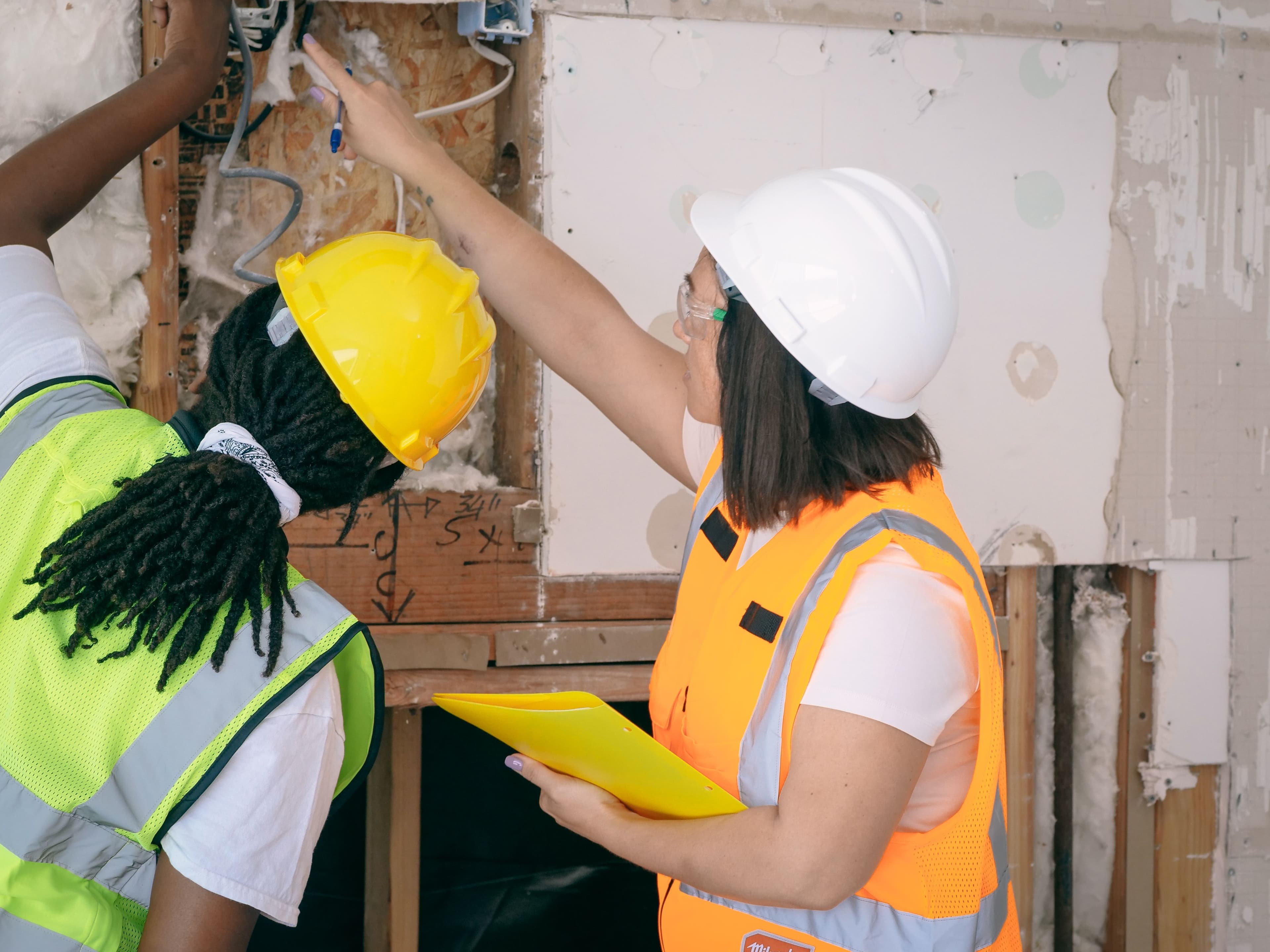
One of the most straightforward signs is the actual presence of knob-and-tube wiring. It can sometimes be seen in unfinished basements, attics, or behind removed plaster in older homes. Identifying the characteristic ceramic knobs and tubes is a strong indication of this older system.
Insurance Issues
Many insurance providers are reluctant to offer coverage, or may charge significantly higher premiums, for homes still equipped with knob-and-tube wiring due to perceived increased risk. Homeowners often face insurance issues when this wiring system is present, making replacement a practical necessity for affordability and compliance.
Frequent Breaker Trips or Blown Fuses
If circuits are frequently overloading, leading to tripped breakers or blown fuses, it can indicate that the existing wiring cannot handle modern electrical demands. Knob-and-tube circuits were designed for far fewer appliances and lower power consumption.
Scorched Outlets or Switches
Visible discoloration, charring, or a burning smell around outlets and switches are critical warning signs. These can indicate overheating due to loose connections or overloaded circuits, posing a serious fire hazard.
Home Renovation Plans
Undertaking major renovations often exposes existing wiring. Building codes typically require that any exposed knob-and-tube wiring be replaced with modern, grounded wiring during significant remodeling projects. Planning for replacement during renovations can be more efficient.
Insulation Conflicts
Knob-and-tube wiring relies on air for cooling. When insulation is added in walls or attics where this wiring exists, it can encapsulate the wires, preventing proper heat dissipation. This creates significant insulation conflicts, leading to overheating and increasing the fire hazard. Many historic homes in Waukesha that have been retrofitted with insulation without addressing the wiring are susceptible to this issue.
Knob-and-Tube Wiring Replacement Work Process
Replacing knob-and-tube wiring is a complex process that requires careful planning and execution to ensure the home's electrical system meets current safety standards. The typical replacement process involves several key stages:
- Initial Assessment and Planning: An electrician conducts a thorough inspection of the existing electrical system. This involves identifying all areas where knob-and-tube wiring is present, assessing its condition, and mapping out the new wiring routes. A detailed plan is developed, outlining the scope of work and materials needed.
- Permitting and Preparation: Necessary permits are secured from local authorities to ensure compliance with building codes in Waukesha, WI. The work area is prepared, which may involve temporarily moving furniture or covering surfaces to protect them during the process.
- Old Wiring Deactivation and Removal: The existing knob-and-tube wiring is safely de-energized. While it is not always feasible or necessary to remove every strand of old wiring, all active knob-and-tube circuits are disconnected, and any accessible old wiring is removed to prevent confusion or accidental reactivation.
- New Wiring Installation: Modern, grounded Romex or equivalent wiring is installed throughout the home. This involves running new cables through walls, ceilings, and floors, often requiring minor incisions or openings. New outlets, switches, and fixtures are typically installed to accommodate the grounded system.
- Panel Upgrades (if necessary): In many cases, homes with knob-and-tube wiring also have outdated electrical panels. A panel upgrade may be required to accommodate the increased electrical load and modern circuit breakers.
- Patching and Restoration: After the new wiring is in place and inspected, any necessary wall or ceiling repairs are performed. This stage returns the home to its original aesthetic condition.
- Final Testing and Inspection: The newly installed electrical system undergoes rigorous testing to ensure all connections are secure, circuits are functioning correctly, and there are no faults. A final inspection by local authorities verifies that the work complies with all relevant electrical codes.
Service Coverage in Waukesha & Nearby Areas
Professional electrical services for knob-and-tube wiring replacement are readily available for homeowners in Waukesha, WI, and the surrounding communities within Southeastern Wisconsin. Electrical contractors with local expertise understand the specific challenges and requirements associated with older homes in the region, including common construction methods and local permitting processes. A prompt response time is a priority for assessments and scheduled work, minimizing disruption to daily routines. Services extend beyond the immediate city limits to ensure that properties in neighboring towns and rural areas also have access to reliable and safe electrical upgrades. Local knowledge ensures that all work adheres to Waukesha's building codes and standards, providing peace of mind for residents seeking to modernize their electrical systems.
Why Choose Incan Electric
When undertaking a significant project like knob-and-tube wiring replacement, selecting an experienced and reputable electrical contractor is paramount. We, at Incan Electric, bring extensive experience to every project, understanding the nuances of older electrical systems prevalent in Waukesha, WI. Our team is committed to safety, adhering to the highest industry standards and local electrical codes throughout the replacement process. We prioritize clear communication, ensuring homeowners are informed at every stage of the project. Our goal is to provide reliable, long-lasting electrical solutions that enhance home safety and meet modern demands. For dependable knob-and-tube wiring replacement services, call us at (262) 235-5444.
Frequently Asked Questions About Knob-and-Tube Wiring
Is knob-and-tube wiring inherently unsafe?
While knob-and-tube wiring was considered safe in its original context, its age and lack of a grounding wire make it less suitable for modern electrical demands. The insulation often degrades, and modifications over time can create hazards. When it's disturbed, covered by insulation, or improperly extended, it poses increased risks. Replacement is often recommended to align with current safety standards and modern electricity use.
Can knob-and-tube wiring be updated without full replacement?
In some very limited situations, if the wiring is in excellent condition, well-maintained, and has not been improperly modified or covered by insulation, specific portions might theoretically remain. However, a full replacement is generally the most comprehensive and recommended solution for ensuring long-term safety, obtaining proper grounding, and meeting insurance requirements. Patching or partial updates often do not fully address the underlying issues.
How long does a knob-and-tube replacement take?
The duration of a knob-and-tube wiring replacement varies significantly based on the size of the home, the extent of the existing wiring, and the complexity of the renovation. A typical residential project can take anywhere from a few days to several weeks. A detailed assessment by an electrician will provide a more accurate timeline specific to your property in Waukesha. Preparation and planning also play a role in the overall project length.
Professional Knob-and-Tube Wiring Replacement in Waukesha, WI
Ensuring the safety and efficiency of your home's electrical system is a critical investment. If your property in Waukesha, WI, still relies on knob-and-tube wiring, professional replacement offers numerous benefits, including enhanced safety, improved electrical capacity, and compliance with modern standards. Addressing this outdated wiring can also resolve potential insurance issues and safeguard against fire hazards. For expert guidance and reliable knob-and-tube wiring replacement services, homeowners can contact (262) 235-5444.