
Aluminum Wiring Repair Milwaukee: Safe Solutions for Older Homes
June 24, 2026
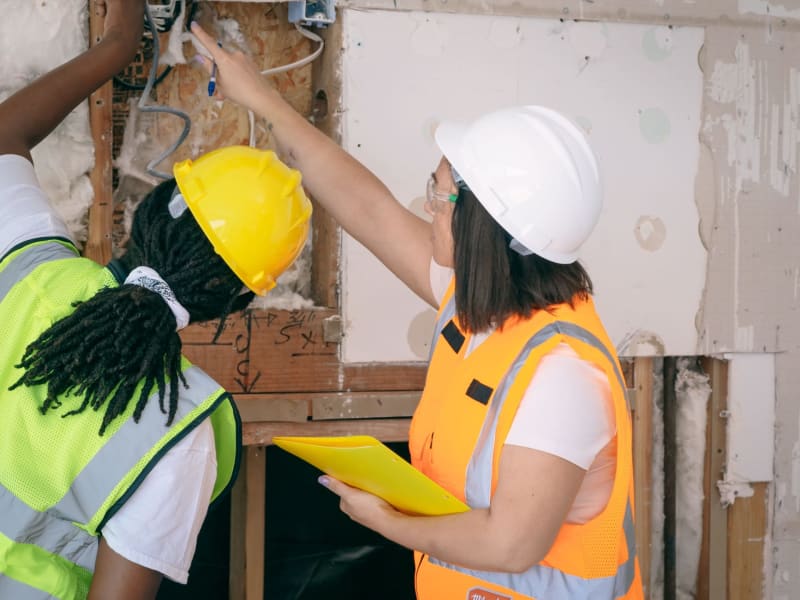
Aluminum wiring repair in Milwaukee protects older residential properties by safely remediating single-strand aluminum branch circuits that have degraded over decades of use. For homeowners in Milwaukee and across southeastern Wisconsin with houses built between 1965 and 1973, professional remediation replaces vulnerable connection points with approved copper pigtailing or complete circuit rewiring. This code-compliant service eliminates fire hazards caused by thermal expansion and oxidation, ensuring long-term electrical safety.
Why Is Aluminum Wiring Repair in Milwaukee Essential for 1960s and 1970s Homes?
Between 1965 and 1973, residential construction across Milwaukee and surrounding suburban subdivisions expanded rapidly. A worldwide spike in raw copper prices prompted builders to install single-strand aluminum branch circuit wiring in thousands of local homes. These branch circuits deliver standard 120-volt electricity to general lighting and everyday wall receptacles throughout living areas, bedrooms, and kitchens.
While aluminum remains a reliable conductor for heavy-duty utility feeder lines and large 240-volt service panels, light branch circuits behave differently. Smaller aluminum wires experience frequent heating and cooling cycles as household appliances switch on and off. Over fifty years of continuous use, this cyclic movement creates loose connections at device terminals.
Many residential properties in Milwaukee neighborhoods still contain original branch circuits that have never received an inspection. If your home dates to this construction era, scheduling a comprehensive home electrical inspection allows a licensed electrician to evaluate connection points before minor terminal looseness turns into a dangerous hazard.
What Are the Primary Dangers of Aluminum Wiring?
The fundamental problem with residential aluminum wiring lies in its metallurgical characteristics. When compared to modern copper conductors, single-strand aluminum reacts unfavorably under typical household electrical loads. Understanding these behavioral differences highlights why aging connections require professional intervention.
According to research documented by the U.S. Consumer Product Safety Commission (CPSC), homes wired with single-strand aluminum branch circuits face a significantly higher likelihood of reaching fire hazard conditions at connection points than homes wired with copper. The physical hazards stem from several distinct material behaviors:
- Excessive thermal expansion and contraction - Aluminum expands and contracts at a substantially higher rate than copper when heated by electrical current, causing wire ends to loosen from terminal screws over repetitive heating cycles.
- Rapid surface oxidation - When aluminum is exposed to oxygen, it forms an oxide layer that acts as an electrical insulator, increasing electrical resistance and producing intense heat at connection terminals.
- Galvanic corrosion between dissimilar metals - Direct contact between aluminum wire and standard brass or steel device screws triggers an electrochemical reaction that corrodes the junction over time.
- Material creep and deformation - Aluminum is a softer metal than copper that slowly deforms under steady screw pressure, gradually loosening mechanical connections inside wall boxes.
- Metal fatigue and structural nicking - Single-strand aluminum wire is brittle and easily nicked during original installation or device replacements, creating internal weak points where electrical arcing occurs.
Call (262) 235-5444 or request a callback to schedule an inspection with Incan Electric and evaluate your home's aluminum branch wiring.
How Does Professional Copper Pigtailing Work?
Remediating aluminum wiring does not always require tearing open walls to replace every run of cable. While complete whole-house rewiring represents the ultimate permanent upgrade for major home renovations, professional copper pigtailing provides a highly effective, minimally invasive solution for existing homes.
Copper pigtailing involves attaching a short piece of copper conductor to the existing aluminum circuit wire using a specialized connector, creating a safe copper-to-copper junction at switches, outlets, and fixtures. Standard twist-on wire nuts cannot handle this transition safely. Licensed electricians use connectors recognized by the CPSC, such as AlumiConn mechanical lug connectors or COPALUM high-pressure crimp sleeves, to ensure long-term stability.
Our licensed electricians follow a rigorous, code-compliant remediation procedure at every device location:
- De-energize circuits - Shut off breaker power at the service panel and verify zero voltage with a calibrated tester.
- Inspect conductors - Detach fixtures and inspect aluminum wires for heat stress, brittle insulation, or metal fatigue.
- Prep wires - Cleanly strip undamaged ends and apply an approved anti-oxidant compound to prevent surface oxidation.
- Install approved connector - Insert the aluminum conductor and a new copper pigtail into an AlumiConn mechanical lug.
- Apply calibrated torque - Tighten terminal screws using a torque screwdriver to manufacturer specifications for a gas-tight bond.
- Terminate and test - Connect the copper pigtail to modern device terminals, reinstall the assembly, and test under load.
How Do You Recognize Failing Aluminum Wiring Connections?
Aluminum wiring degradation often occurs silently inside covered junction boxes and receptacle enclosures. Because thermal loosening and oxidation worsen gradually, homeowners must remain alert to early physical warning signs before dangerous electrical arcing begins.
If you observe an active burning odor, scorching, or crackling sounds, treat the situation as an urgent hazard. De-energize the affected circuit breaker immediately at the main panel and call a licensed electrician. Never continue operating a circuit that displays active heat symptoms.
The following guide outlines common warning symptoms, their technical causes, and the necessary response:
| Symptom | Likely Aluminum Wiring Cause | Immediate Urgency | Required Action |
|---|---|---|---|
| Burning plastic or fishy odor near outlets or switches | Overheated wire insulation melting from high resistance at loose terminal screws | Critical / High Risk | Shut off the circuit breaker immediately and call an emergency electrician. |
| Warm, hot, or discolored outlet cover plates | High electrical resistance and micro-arcing at an aluminum screw connection | Severe Risk | Discontinue using the outlet, switch off the breaker, and schedule an inspection. |
| Lights flickering or dimming when appliances run | Loose aluminum splice or terminal expanding under electrical current | Moderate to High Risk | Turn off delicate electronics and arrange for copper pigtail remediation. |
| Audible buzzing, sizzling, or crackling sounds | Active electrical arcing across air gaps between loose wire conductors | Critical / High Risk | De-energize the circuit breaker immediately to eliminate fire risk. |
| Frequent tripping of a specific circuit breaker | Loose connection creating intermittent shorts or excessive thermal resistance | Moderate Risk | Unplug heavy appliances on that circuit and book professional electrical diagnostics. |
How Does Aluminum Wiring Impact Homeowners Insurance in Wisconsin?
Homeowners insurance underwriters in Wisconsin closely examine residential electrical infrastructure, particularly in properties constructed between 1965 and 1973. Because unmitigated aluminum branch circuits carry documented fire risks, insurance carriers frequently flag these systems during property purchases, policy renewals, or routine underwriting audits.
An insurer may issue a conditional coverage notice, charge elevated insurance premiums, or issue an outright insurance denial if original aluminum wiring remains unaddressed. Underwriters routinely require written verification that all branch circuit terminations have been remediated using recognized methods.
Crucially, insurance carriers do not accept unverified homeowner repairs or standard twist-on wire nuts. Underwriters demand proof that remediation was performed by a licensed electrical contractor under an official municipal electrical permit. Following project completion, Incan Electric provides itemized contractor documentation and final municipal inspection records, giving you the paperwork needed to satisfy insurance underwriting standards.
Where Do We Perform Aluminum Wiring Repair in Southeastern Wisconsin?
Incan Electric provides comprehensive aluminum wiring remediation, safety inspections, and electrical service upgrades across southeastern Wisconsin. Our primary service territory spans six counties: Milwaukee, Waukesha, Racine, Kenosha, Ozaukee, and Washington.
Subdivisions constructed during the late 1960s and early 1970s in Milwaukee, Menomonee Falls, Mequon, New Berlin, and West Allis frequently retain original aluminum branch wiring. Our team brings deep local experience working on these regional electrical systems. In Mequon, West Allis, and Milwaukee, our electricians have completed extensive rewiring projects, including knob-and-tube replacements, multi-family duplex rewires, and triplex service rebuilds.
Across Milwaukee, West Allis, South Milwaukee, Oak Creek, and Racine, our crews regularly perform service upgrades and panel replacements. In Menomonee Falls, West Allis, Brookfield, Wauwatosa, Burlington, Kenosha, and Union Grove, Incan has handled emergency service mast and panel rebuilds following severe Midwest wind and ice storms. We also perform routine circuit inspections and safety remediation in communities such as New Berlin, Wauwatosa, Bayside, and Bristol.
All electrical modifications must comply with state safety standards. The Wisconsin DSPS electrical program enforces SPS 316, an electrical code based on the 2023 National Electrical Code with Wisconsin amendments. We pull all required municipal electrical permits, coordinate utility disconnects and reconnects directly with We Energies when necessary, and meet municipal inspectors on-site for final sign-offs under NFPA 70 (National Electrical Code).
Every home possesses a different layout, device count, and panel condition. For that reason, we quote after one visit so you receive an accurate, transparent scope of work tailored to your home.
Frequently Asked Questions
Can I connect modern switches and outlets directly to aluminum wiring?
Standard modern receptacles and light switches are engineered exclusively for copper conductors and should never be wired directly to aluminum branch circuits. Connecting standard brass or steel terminal screws directly to aluminum wire triggers rapid galvanic corrosion, loose connections, and dangerous overheating. Only specialized CO/ALR-rated devices or connections remediated with approved copper pigtailing create code-compliant, safe terminations for modern household fixtures.
How do I know if my Milwaukee home has aluminum wiring?
You can check for aluminum wiring by inspecting exposed cables entering your main electrical panel or running across open basement joists. Branch wiring manufactured between 1965 and 1973 often features cable jackets stamped with "ALUMINUM," "ALUM," or manufacturer names like "Kaiser Aluminum." The conductors themselves are silver-colored rather than reddish-brown copper. Never open an energized panel cover yourself; hire a licensed electrician to inspect the terminations safely.
Are purple twist-on wire nuts an acceptable permanent repair?
While purple twist-on wire connectors are marketed for aluminum-to-copper connections, electrical safety experts and the CPSC do not recommend them as a reliable long-term solution. Under real-world household electrical loads, twist-on connectors frequently loosen, overheat, and fail over time. Incan Electric uses mechanical lug connectors like AlumiConn or the COPALUM crimp method, which provide durable, code-compliant, and insurer-recognized connections.
Will aluminum wiring repair satisfy my homeowners insurance company?
Yes, most insurance carriers accept certified repairs performed with approved mechanical connectors such as AlumiConn or COPALUM crimps. Insurance underwriters require proof that the work was completed by a licensed electrical contractor under a municipal permit with a final inspection sign-off. After finishing your repair, Incan Electric provides detailed contractor documentation confirming that every branch circuit termination complies with state and national safety standards.
Ready to Secure Your Milwaukee Home with Professional Aluminum Wiring Repair?
Protecting your residential property against aluminum wiring hazards ensures the safety of your family, preserves your investment, and keeps your electrical system compliant with modern building standards. Our team of licensed Milwaukee electricians brings 5+ years of experience delivering precise circuit diagnostics, code-compliant copper pigtailing, and complete municipal permitting throughout Milwaukee, Waukesha, Racine, Kenosha, Ozaukee, and Washington counties.
Call (262) 235-5444 or schedule an aluminum wiring inspection with Incan Electric today.