In today's interconnected homes across Southeastern Wisconsin, from Milwaukee to Kenosha, our reliance on sensitive electronic devices and essential appliances is greater than ever. Smart TVs, computers, sophisticated kitchen appliances, and HVAC systems all represent significant investments, constantly operating on your home's electrical grid. However, these valuable items are continuously vulnerable to electrical surges—sudden, temporary increases in voltage that can cause immediate damage or slowly degrade components over time. While many homeowners use individual power strips for specific devices, these offer limited and localized protection. A whole-house surge protector provides a robust, comprehensive solution, safeguarding every device and appliance connected to your electrical system. Incan Electric is dedicated to ensuring your home's electrical integrity, helping you enhance safety and extend the lifespan of your valuable electronics against the unpredictable nature of power fluctuations, whether from a summer thunderstorm or internal appliance cycling.
What is Whole-House Surge Protection?
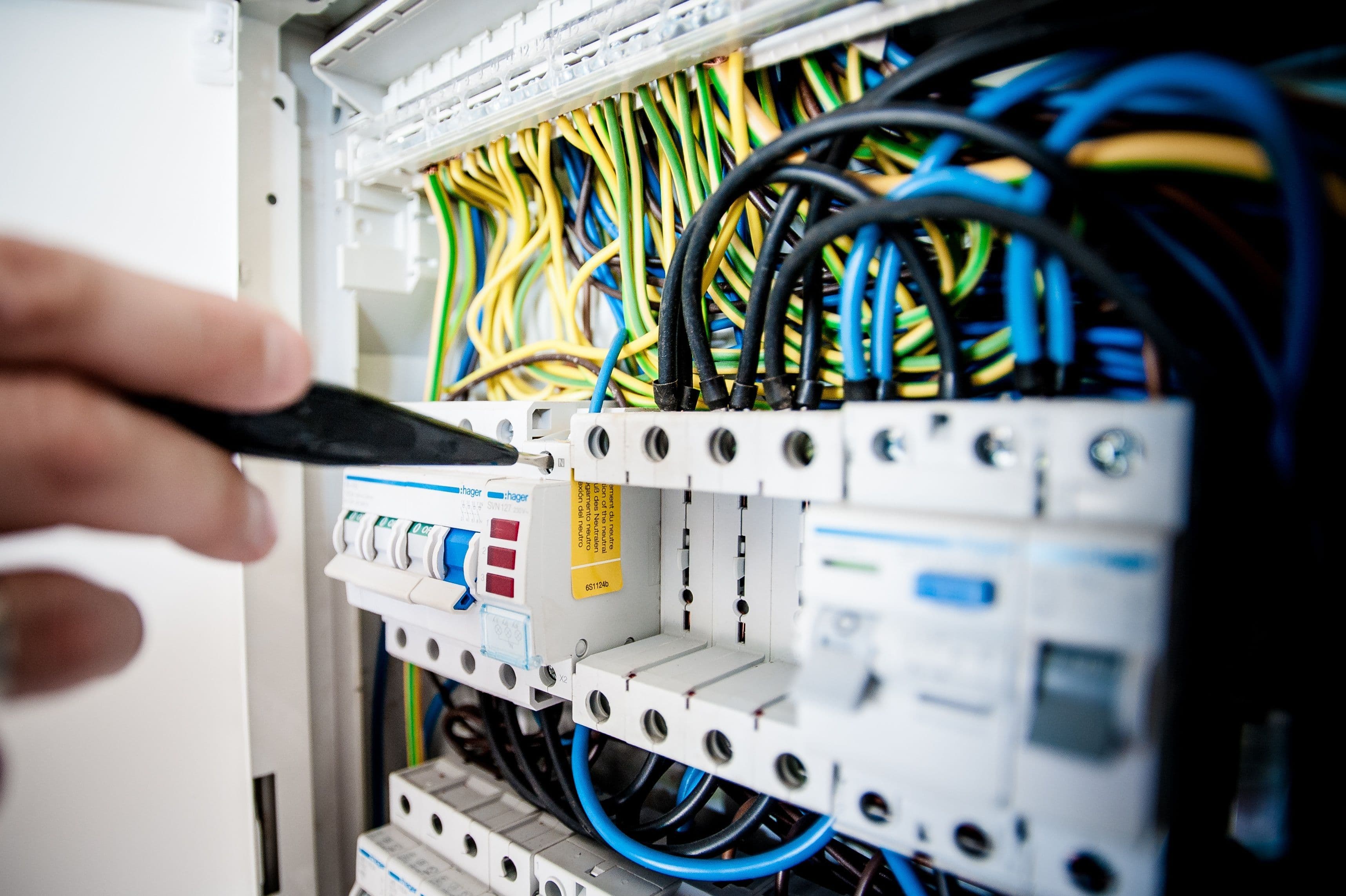
A whole-house surge protector, also known as a Service Entrance Surge Protective Device (SPD), is installed directly at your home's main electrical panel. It acts as the first line of defense for your entire electrical system. When an electrical surge occurs—a sudden spike in voltage beyond normal operating levels—the SPD detects this excess electricity and safely diverts it away from your home's wiring and sensitive equipment, channeling it directly to the ground. This prevents the surge from reaching and damaging your valuable electronics, appliances, and integral wiring. Unlike basic power strips that protect only a few plugged-in devices, a whole-house unit provides blanket protection for all connected circuits, offering a comprehensive shield against both external threats like utility grid fluctuations and internal surges from major appliances cycling on and off.
Signs Your Home Needs Surge Protection
Electrical surges often cause invisible damage, but there are clear signs your home may be experiencing these voltage spikes. One common indicator is the unexplained malfunction or premature failure of electronic devices and appliances. If your smart TV glitches, a computer crashes unexpectedly, or smaller kitchen appliances burn out sooner than expected, surges could be the cause. Another symptom might be flickering or dimming lights, especially when large appliances like your air conditioner or refrigerator cycle on. These micro-surges consistently stress electrical components. More severe signs include scorch marks around outlets or power strips, a burning smell, or frequently tripped circuit breakers without an obvious overload. In Southeastern Wisconsin, vigorous summer thunderstorms and winter ice storms can bring grid fluctuations or lightning, causing significant damage. Observing these signs in your Brookfield or West Bend home suggests your electrical system is under stress, highlighting the need for whole-house surge protection for improved safety and device longevity.
The Whole-House Surge Protector Installation Process
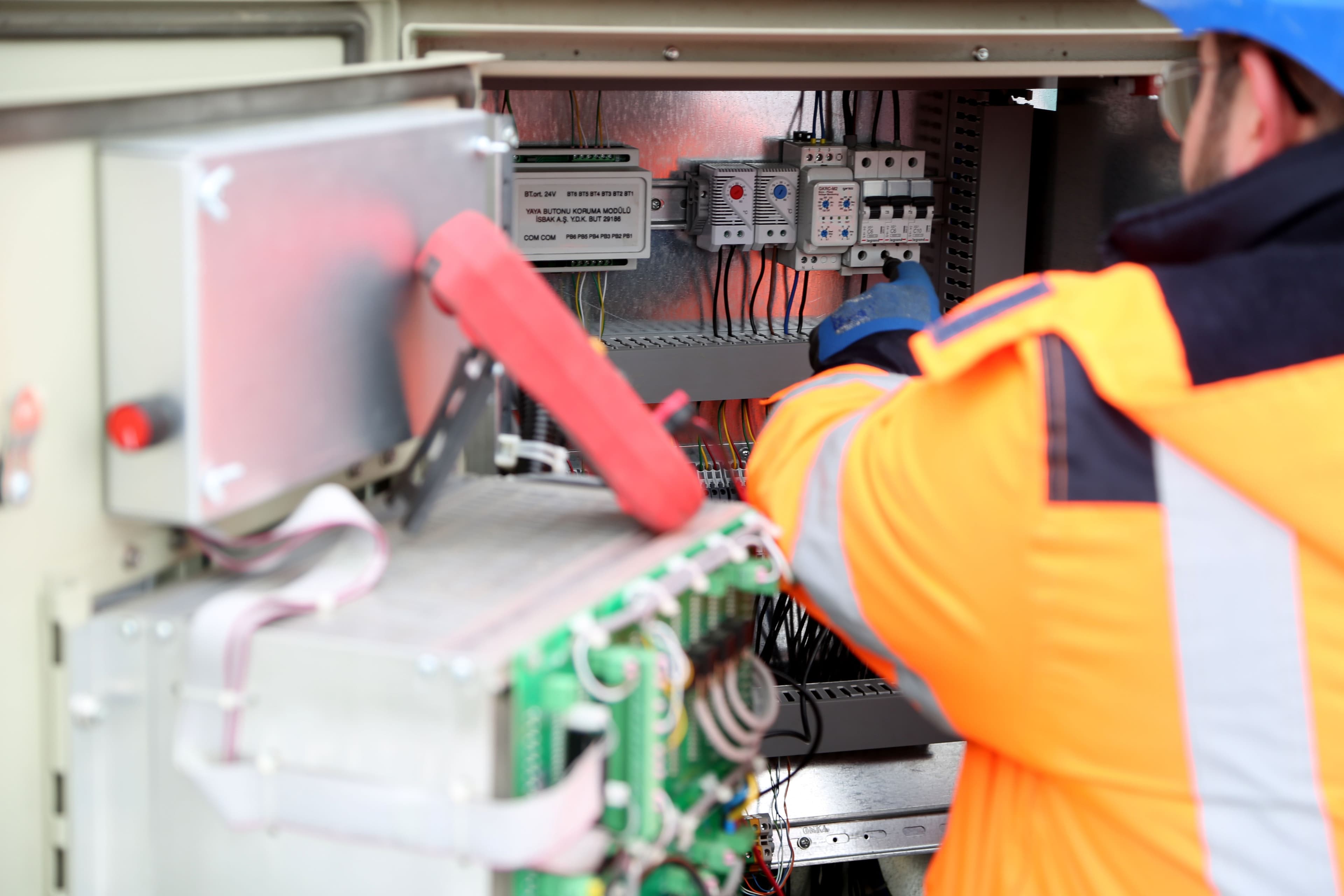
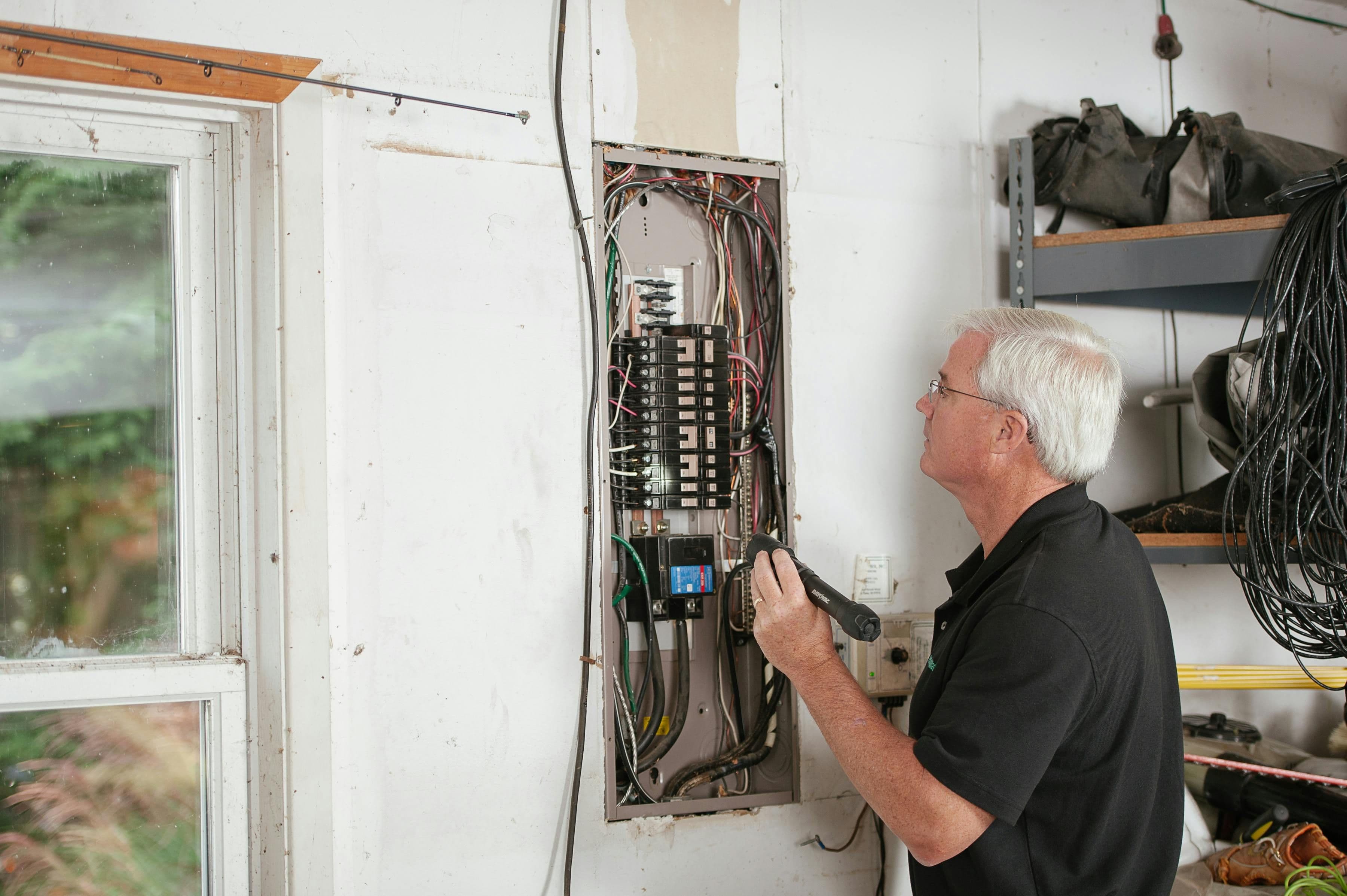
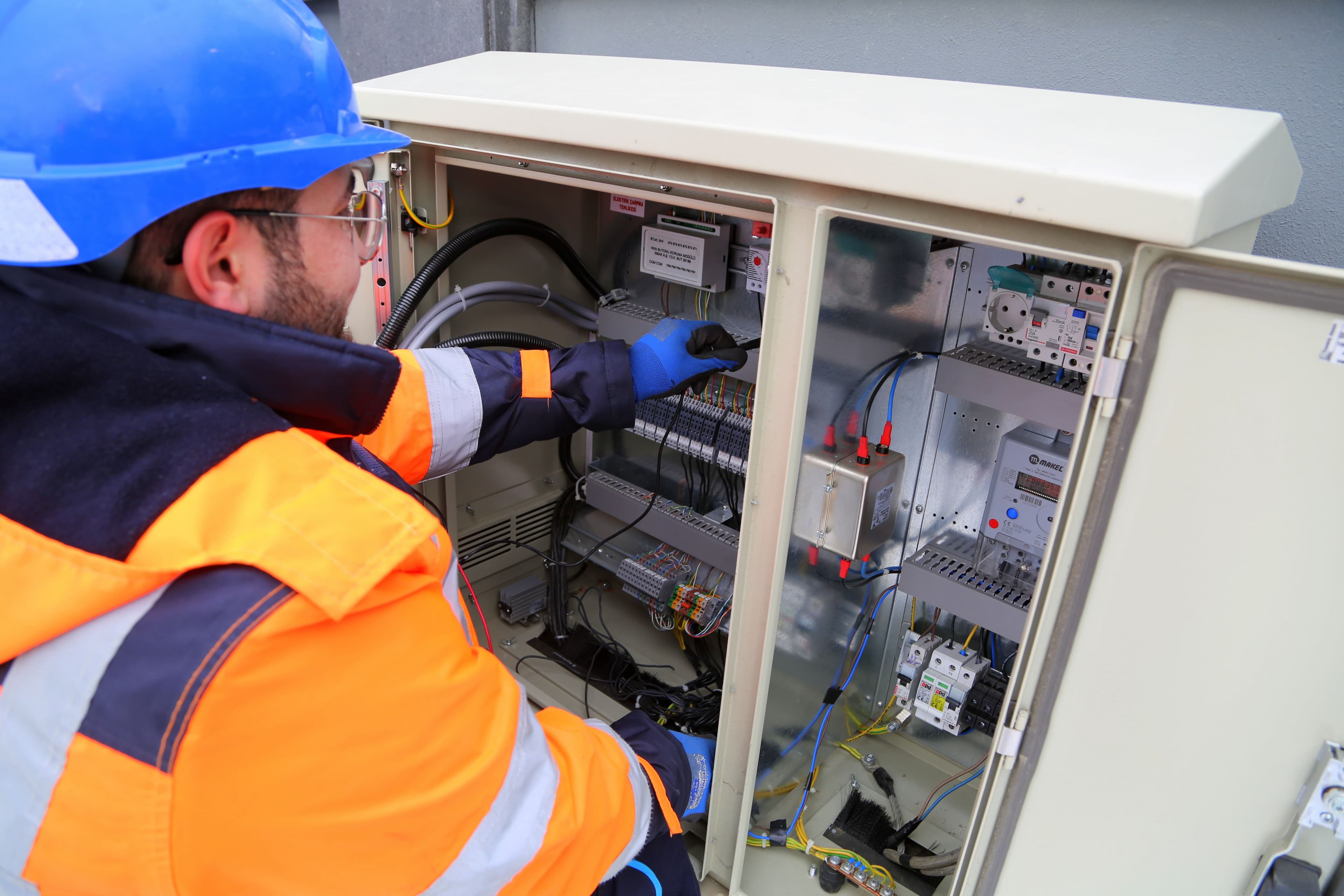
Installing a whole-house surge protector is a precise electrical task requiring the expertise of a licensed electrician. The process begins with an initial assessment of your home's existing electrical panel by an Incan Electric professional. We ensure your panel can safely accommodate the new device and determine the appropriate SPD model for your home’s specific needs. Safely de-energizing your main electrical panel, the electrician then wires the protector directly into it, typically connecting to a dedicated circuit breaker. This strategic placement intercepts surges where electricity enters your home, diverting excess voltage before it can spread throughout your circuits. After installation, our team meticulously tests the unit for proper functionality and adherence to all local electrical codes in areas like Waukesha and Menomonee Falls. We reactivate power and verify indicator lights confirm continuous protection for your entire home.
Understanding Whole-House Surge Protection Costs
The investment in a whole-house surge protector is often considerably less than the cost of replacing damaged electronics and appliances. While exact figures require a direct assessment, the total cost for installation in your Southeastern Wisconsin home typically varies based on several factors. These include the specific type and capacity of the surge protector chosen, the complexity of your existing electrical panel, and the labor required for installation. Some homes, particularly older ones, may also require a panel upgrade to safely accommodate a new SPD, which would influence the overall expense. It's important to view this as a long-term investment in your home's infrastructure and the longevity of your valuable assets. Considering the high cost of replacing major appliances or entire entertainment systems, the upfront cost offers significant savings and invaluable peace of mind against unforeseen electrical events.
Why Choose Incan Electric for Surge Protection
When it comes to safeguarding your home’s electrical system in Southeastern Wisconsin, choosing the right partner is paramount. Incan Electric stands out as a trusted, family-oriented electrical company deeply rooted in communities like Racine, Mequon, and Ozaukee County. Our team of licensed and experienced electricians prioritizes your family's safety and peace of mind above all else. We bring extensive local knowledge, understanding the unique electrical challenges and weather patterns common to our region, from summer storms to winter's demands. With Incan Electric, you receive more than just an installation; you gain a reliable partner committed to quality workmanship and honest, transparent service. We ensure every whole-house surge protector is installed correctly, adheres to the highest safety standards, and provides the dependable protection your home deserves. Trust us to provide practical, effective solutions that protect your valuable investments and keep your electrical system running smoothly for years to come.
Frequently Asked Questions About Whole-House Surge Protection
Q: Do I still need individual surge protector power strips if I have a whole-house unit?
A: Yes, it's highly recommended to use a layered approach. The whole-house protector handles the bulk of external and internal surges, protecting major appliances and your electrical infrastructure. Point-of-use strips offer an additional layer of fine-tuned protection for your most sensitive electronics, like computers and entertainment systems, against smaller, localized surges.
Q: What are the main sources of electrical surges?
A: Surges can come from external and internal sources. External sources include lightning strikes, utility grid switching, and downed power lines. Internally, most common surges are generated by major appliances with motors or compressors, such as air conditioners, refrigerators, and washing machines, as they cycle on and off.
Q: How long do whole-house surge protectors typically last?
A: Most whole-house surge protectors are designed for long-term use. Their lifespan depends on the number and intensity of surges they absorb. Many units include indicator lights that show their operational status. If the light goes out, it generally means the unit has absorbed a significant surge and may need inspection or replacement. Regular electrical inspections can help confirm its continued effectiveness.
Q: Can a whole-house surge protector protect against a direct lightning strike?
A: While a whole-house surge protector significantly reduces the risk of damage from lightning-induced surges that travel through your electrical lines, no surge protector can guarantee absolute protection against a direct lightning strike to your home. They are highly effective at mitigating indirect strikes and voltage spikes, offering substantial defense for your entire electrical system.
Service Areas and Contact Information
Incan Electric is proud to serve homeowners throughout Southeastern Wisconsin, including the counties of Milwaukee, Waukesha, Racine, Kenosha, Ozaukee, and Washington. Whether you reside in Brookfield, New Berlin, or Kenosha, our team is ready to provide expert advice and professional installation for whole-house surge protection. Protecting your home from electrical surges is a proactive step towards ensuring the longevity of your valuable appliances and the safety of your family. If you have questions about enhancing your home's electrical defense or would like to schedule a consultation, our friendly and knowledgeable team is here to help. Contact Incan Electric today to discuss your surge protection needs and gain lasting peace of mind. Give us a call at (262) 235-5444.