
Smart Home Electrical Milwaukee: Modern Automation and Wiring Guide
November 4, 2026
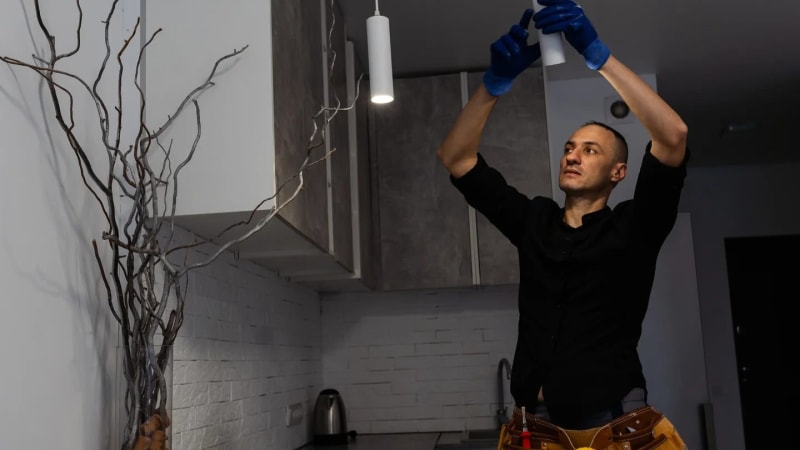
Smart home electrical milwaukee systems modernize residential wiring to safely power automated controls, intelligent lighting, and connected mechanical equipment. Across Milwaukee and southeastern Wisconsin, Incan Electric upgrades panels, adds dedicated circuits, and runs home automation wiring for smart switches, thermostats, and security hubs. Whether retrofitting an older bungalow or outfitting new construction, proper electrical installation prevents circuit overloads, eliminates neutral wire issues, and ensures code-compliant operation.
Why Do Milwaukee Homes Need Smart Home Electrical Upgrades?
Much of the housing stock across Milwaukee was built between the 1920s and 1960s. Brick bungalows, two-family duplexes, and mid-century ranches were wired for basic lighting and simple appliances. Today, households connect dozens of microprocessors, motorized equipment, high-draw chargers, and wireless hubs to that original infrastructure. When smart devices are installed without updating underlying wiring, electrical problems surface quickly.
Connected dimmers, smart relays, and automated load centers contain internal transceivers and microprocessors that demand stable voltage and clean grounding. Placing modern controls onto deteriorated branch circuits causes nuisance breaker trips, component failure, and safety hazards.
Older electrical systems often show clear signs that an infrastructure upgrade is overdue:
- Missing neutral wires in switch boxes - Vintage two-wire branch circuits supply only a hot conductor and switch leg, lacking the continuous neutral required by most smart switches.
- Undersized 60-amp or 100-amp electrical panels - Older service panels lack the electrical capacity and breaker spaces needed to support modern automated equipment.
- Overcrowded circuits and frequent breaker trips - Sharing general-purpose circuits between heavy appliances and smart controllers causes voltage drops that reset connected devices.
- Persistent device dropouts and erratic performance - Voltage fluctuations and line interference on aging conductors cause smart hubs, locks, and cameras to lose connectivity.
- Elevated vulnerability to electrical surges - Sensitive microprocessors inside automated controls degrade rapidly from utility switching spikes and summer storms without panel surge suppression.
Call (262) 235-5444 or request a callback to have Incan Electric evaluate your electrical wiring and design a safe, code-compliant smart system.
What Electrical Foundations Does a Smart Home Require?
Reliable home automation relies on dedicated circuits, neutral conductors at switch boxes, low-voltage control pathways, and adequate power capacity. Treating smart hardware as simple plug-and-play accessories overlooks how line voltage interacts with sensitive electronics.
First, installing smart switches and automated dimmers requires an active neutral wire inside the switch box. In older residential wiring, switch loops carried only hot conductors. Standard toggle switches simply open the hot wire. Smart switches, however, require continuous power to keep their wireless radios active when lights are off. When no neutral exists, attempting bypasses on LED fixtures often causes lights to flicker, glow dimly, or buzz. A licensed electrician runs updated conductors to supply a code-compliant neutral connection.
Second, climate control requires proper low-voltage power. Professional smart thermostat installation depends on a dedicated 24-volt circuit from your heating and cooling equipment. Many older thermostats operated on two-wire or four-wire setups without a C-wire (common wire). Modern smart thermostats feature color screens and Wi-Fi radios that draw more power than internal backup batteries can sustain. Operating without a dedicated C-wire forces the device to steal power through furnace circuits, causing erratic heating cycles or furnace lockouts during freezing Wisconsin winter nights.
Third, a robust smart system requires structured wiring and dedicated circuits for central hubs, motorized shades, and security recorders. Cluttering general lighting circuits with continuous electronic loads creates line noise. Running dedicated branch circuits and shielded data cabling prevents interference, reduces latency, and keeps automated equipment online.
Finally, whole-home energy monitoring and smart load centers provide active insight into residential power consumption. Smart electrical panels replace conventional breakers with intelligent modules that monitor power consumption on individual circuits, alert homeowners to unusual electrical draws, and shed non-essential loads during power outages.
What Are the Most Common Smart Home Electrical Problems?
Integrating new smart devices into older electrical infrastructure can reveal hidden wiring deficiencies. Recognizing symptoms early prevents component damage and safety hazards.
The following table outlines common smart home electrical symptoms, their underlying causes, urgency levels, and recommended professional solutions:
| Symptom or Issue | Likely Electrical Cause | Urgency Level | Recommended Action |
|---|---|---|---|
| Smart switch or dimmer flickers or buzzes | Missing neutral wire, incompatible LED load, or improper dimmer calibration | Medium | Replace switch with neutral-supported hardware or install approved bypass resistor. |
| Switch wall plate feels hot or smells warm | Circuit overload, loose terminal connection, or arcing within junction box | High | Shut off breaker immediately; call an electrician to inspect conductors and box fill. |
| Smart thermostat resets when furnace cycles | Missing 24V common wire (C-wire) causing power stealing and voltage drop | Medium | Run a new 18-gauge multi-conductor cable from HVAC board or install a power kit. |
| Breaker trips when motorized devices engage | Inrush current overloading an already burdened general-purpose branch circuit | Medium | Install a dedicated branch circuit for automated motorized devices and media equipment. |
| Automated controllers drop offline repeatedly | Low-voltage line noise, weak neutral connection, or excessive circuit voltage drop | Low | Check conductor termination torque; isolate control equipment on dedicated circuits. |
Electrical safety requires swift action when physical warning signs appear. If a smart switch faceplate feels hot to the touch, produces buzzing sounds, emits a burning plastic odor, or shows scorch marks around the trim, shut off the circuit breaker immediately at the main panel. Arcing terminals and overcrowded wall boxes create severe fire risks. Never operate a malfunctioning smart controller until a qualified technician verifies box capacity, conductor integrity, and wire terminations.
How Does a Professional Smart Home Electrical Installation Work?
Installing a reliable smart home system requires a methodical, code-compliant approach. Professional installation protects expensive hardware, prevents circuit overloads, and supports system longevity.
At Incan Electric, our licensed electricians follow a standardized process for smart home electrical upgrades:
- Load calculation and panel audit - We evaluate existing service capacity, inspect switch boxes for neutral conductors, and verify service grounding.
- Municipal permit filing - Incan Electric files detailed project specifications with your local municipal building department to secure electrical permits.
- Rough-in electrical upgrades - Electricians run updated branch circuits, pull dedicated neutral conductors to switch locations, and install deep junction boxes.
- Device installation and testing - Technicians mount smart switches, dimmers, and thermostats, verifying proper line voltage, polarity, and circuit loading.
- System commissioning and inspection - We test connected devices under full load and meet the municipal inspector on-site for final sign-off.
Are Smart Home Electrical Systems Subject to Wisconsin Codes and Permits?
Smart home electrical work in Wisconsin must comply with state safety regulations. The Wisconsin DSPS electrical program enforces the electrical code (SPS 316), based on the 2023 National Electrical Code (NFPA 70) with Wisconsin amendments.
Codes dictate how smart controls, dimmers, and panels are wired. Electrical code requires neutral conductors at switch locations in new work to support electronic controls safely. Additionally, circuits powering smart devices in living spaces require Arc-Fault Circuit-Interrupter (AFCI) protection to prevent electrical fire risks.
Permits are required when adding circuits, replacing panels, or installing hardwired automation systems. Pulling a permit ensures an inspection by a certified municipal electrical inspector, protecting homeowner insurance coverage and home value. Incan Electric pulls all required municipal permits and coordinates directly with local building inspectors.
Smart systems also require surge protection. Under NEC 230.67, dwelling unit services must have an approved Type 1 or Type 2 surge-protective device when service equipment is replaced. Utility switching by We Energies and severe summer thunderstorms create voltage spikes across distribution lines. Whole-house surge protection diverts transients safely to ground, shielding delicate processors in smart devices and appliances from damage.
Where Do We Do This Work in Southeastern Wisconsin?
Incan Electric provides smart home electrical upgrades, automation wiring, and infrastructure modernization across six counties: Milwaukee, Waukesha, Racine, Kenosha, Ozaukee, and Washington. Homes throughout this region exhibit diverse architectural styles and varying electrical service capacities.
In Milwaukee, West Allis, South Milwaukee, Oak Creek, and Racine, our electricians routinely complete panel and service upgrades. Many homes in these established neighborhoods rely on 60-amp or 100-amp panels that lack the amperage and physical spaces required for extensive home automation. In Waukesha, our work has included mobile home subpanel installations to support modern branch circuits.
Rewiring older housing stock represents another critical foundation for home automation. In Mequon, we have replaced outdated knob-and-tube wiring to bring branch circuits up to modern standards. In West Allis, we rewired a multi-family duplex, and in Milwaukee, our team completed extensive rewiring projects, including a triplex service rebuild to deliver dedicated circuits and grounded conductors to every unit.
Severe weather also impacts electrical reliability across southeastern Wisconsin. Winter ice storms and severe summer lake-effect thunderstorms frequently bring down overhead service drops. In communities like Eagle, Kenosha, Union Grove, Burlington, Brookfield, West Allis, Wauwatosa, and Menomonee Falls, we perform emergency mast and service rebuilds to restore safe power. To keep automated smart homes online during utility outages, we install standby generators and interlock systems in Belgium, Kenosha, Union Grove, and Muskego.
Our technicians also complete lighting additions, dedicated circuits, and electrical safety inspections in Kenosha, Racine, Milwaukee, Wauwatosa, Bristol, Bayside, and West Allis. In addition, we install EV charging circuits across Kenosha, Bristol, Milwaukee, West Allis, and Saukville. On the commercial side, our electricians have completed flood rehabilitation in Milwaukee, medical wiring for a Kenosha dental clinic, office renovations in Pewaukee, overhead lighting in West Milwaukee and Brookfield, and restaurant and bank heating controls in Wauwatosa.
Whether updating a vintage bungalow or wiring a modern residence, working with a qualified smart home electrician in Milwaukee ensures your automation project satisfies local codes and utility standards.
Frequently Asked Questions
Can I install smart switches in an older home without a neutral wire?
Many older homes in Milwaukee feature switch boxes with only two conductors, lacking a dedicated neutral wire. While some smart switch models use wireless bypasses to function without neutrals, they can cause LED bulbs to flicker or buzz. The most dependable, code-compliant solution is hiring a licensed electrician to pull a neutral conductor to the switch box, providing stable, continuous operating current for modern smart lighting systems.
Why does my smart thermostat lose power or cause the furnace to short cycle?
Smart thermostats feature bright digital displays and continuous Wi-Fi radios that require constant 24-volt power. If your existing thermostat cable lacks a C-wire (common wire) connected to the furnace control board, the thermostat attempts to steal power through the heating circuit. This power stealing frequently triggers furnace relay chatter, nuisance shutdowns, and premature battery failure. An electrician can run a multi-conductor cable to supply clean power.
Does adding smart home devices require an electrical panel upgrade?
Individual smart bulbs or smart plugs use negligible energy, but a comprehensive smart home system often demands additional electrical capacity. Automated motorized shades, multi-room audio amplifiers, smart panel monitors, and connected heating appliances quickly fill existing circuit breaker slots. If your home operates on an older 60-amp or 100-amp service, upgrading to a 200-amp panel ensures sufficient headroom and adds necessary breaker spaces for dedicated automation circuits.
Why should I hire a licensed smart home electrician instead of doing DIY wiring?
Smart home components interact directly with household line-voltage wiring, delicate control circuits, and municipal safety codes. DIY installation often leads to overloaded branch circuits, loose wire splices, incorrect polarity, and missing neutrals that damage electronics or create fire hazards. A licensed electrician calculates electrical loads, pulls mandatory municipal permits, installs code-mandated arc-fault protection under Wisconsin SPS 316, and ensures all connected devices operate safely.
Ready to Plan Your Smart Home Electrical in Milwaukee?
Modernizing your home with automated lighting, intelligent climate controls, and dedicated smart circuits makes daily living more comfortable, convenient, and energy efficient. Incan Electric has 5+ years of experience performing electrical evaluations, service panel upgrades, and code-compliant installations throughout Milwaukee, Waukesha, Racine, Kenosha, Ozaukee, and Washington counties.
Incan Electric works throughout Milwaukee County, including the city of Milwaukee, and across our southeastern Wisconsin service area.
Call (262) 235-5444 or schedule a smart home electrical consultation to modernize your home today.