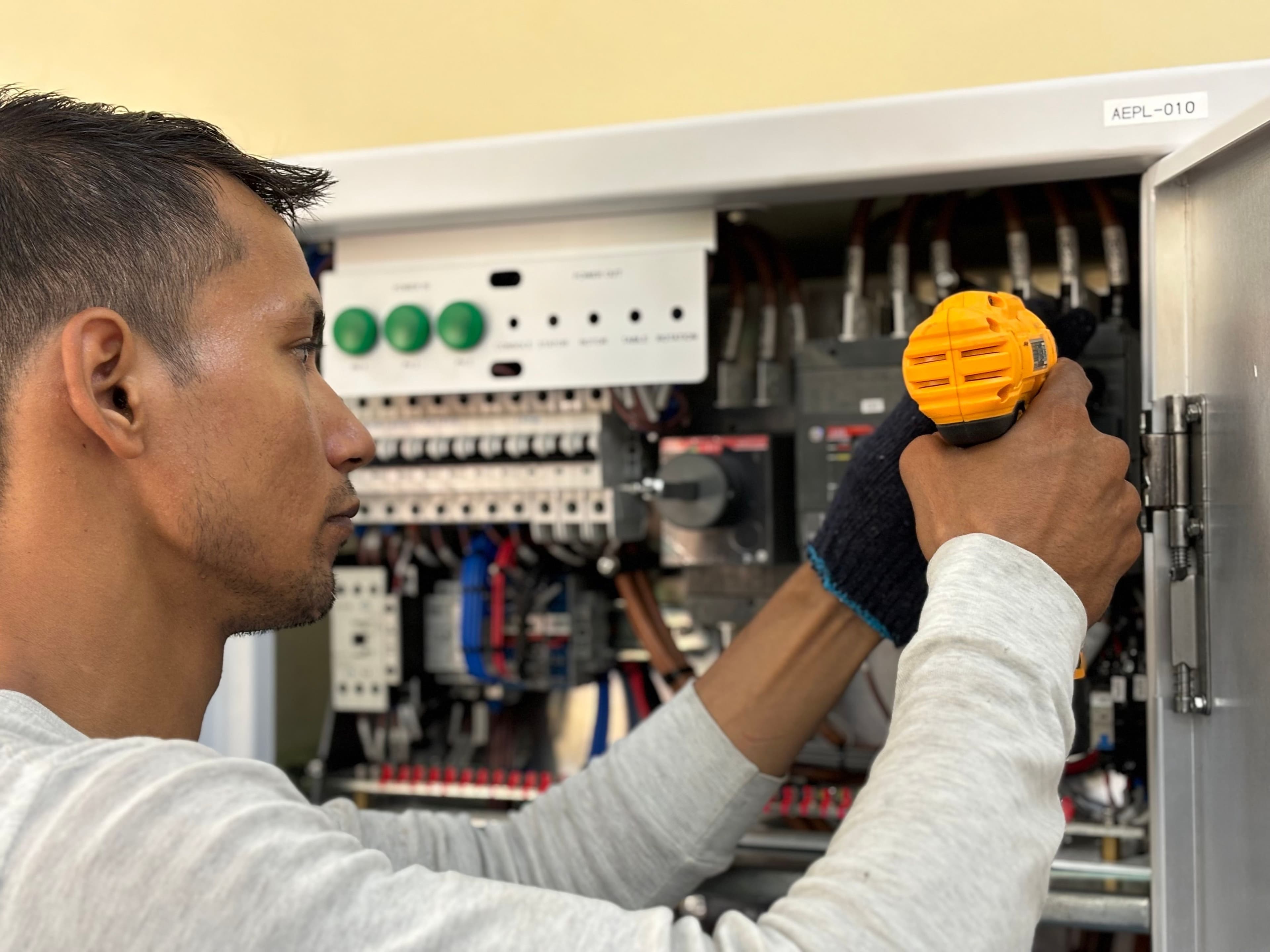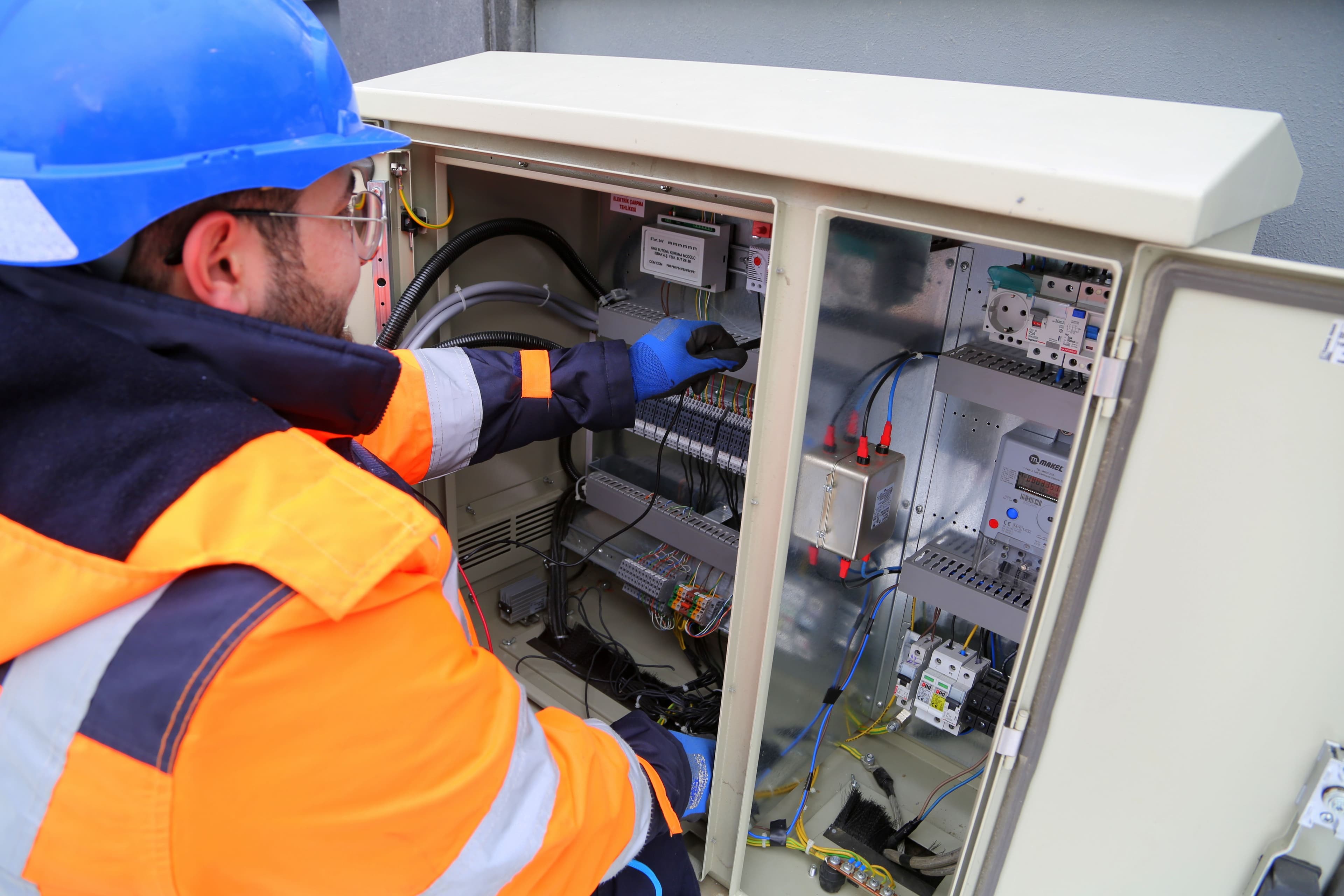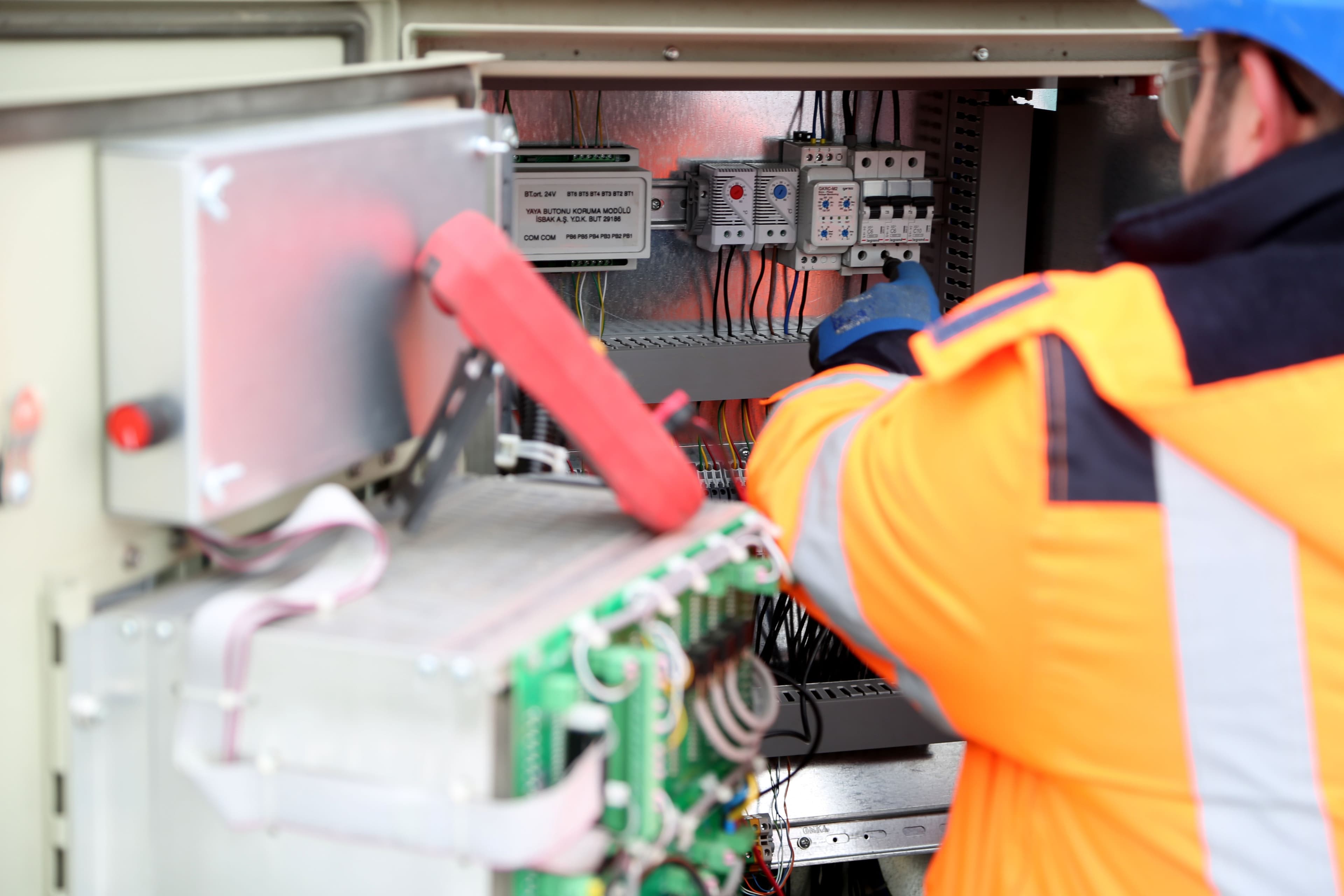
Circuit breakers are critical safety components within your home's electrical system. They act as guardians, constantly monitoring the flow of electricity to protect your wiring, appliances, and most importantly, your family from potential electrical hazards. When a breaker trips, it's an immediate, automatic response to an abnormality-whether an overload, a fault, or another issue-shutting off power to a specific circuit to prevent overheating, damage, or even fire. Understanding why these trips occur is fundamental for maintaining a safe and reliable home, especially through the varying seasons we experience across Southeastern Wisconsin, from the cold winters in Milwaukee to humid summers in Waukesha.
What is a Circuit Breaker?
Located in your home's electrical panel, a circuit breaker functions as an automatic, resettable switch. Each breaker controls a specific circuit, which is a dedicated path for electricity to flow to various outlets, lights, and appliances. When a circuit experiences an electrical fault or an overload-meaning it's attempting to draw more electrical current than it's rated to safely handle-the breaker swiftly trips. This action immediately interrupts the flow of electricity, safeguarding the circuit's wiring from overheating. Without this crucial protection, excessive current could melt wire insulation, leading to dangerous short circuits or even electrical fires. Understanding its role is the first step in addressing any tripping issues.
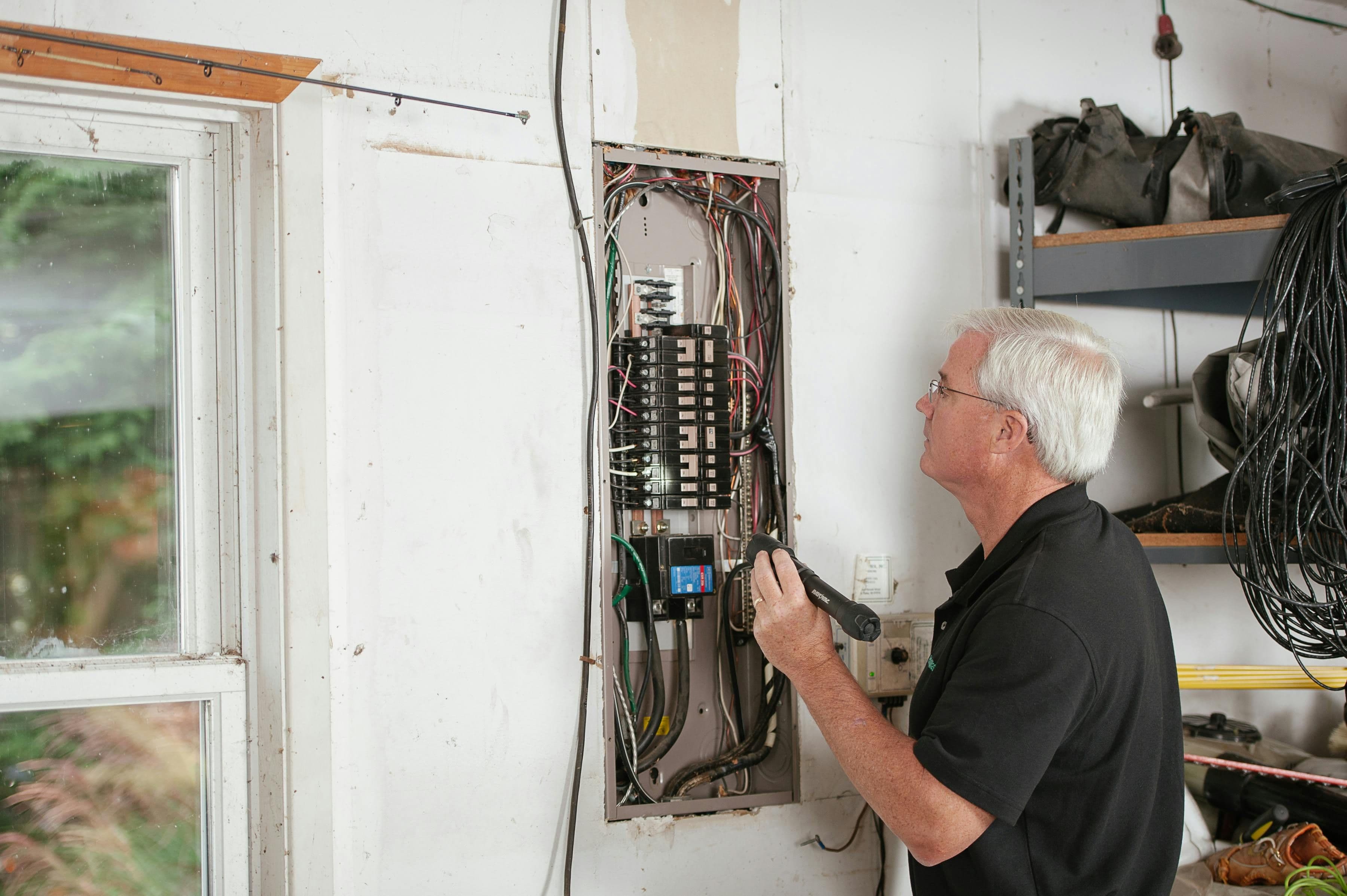
Identifying Signs of Electrical Issues
Frequent or repeated circuit breaker trips are a clear signal that something is amiss within your electrical system. Identifying the underlying cause is essential for safety and reliability. Here are the most common issues that manifest as a tripped breaker:
- Circuit Overload: This is the most common reason for a trip. It occurs when a circuit attempts to draw more electrical current than its design capacity. Imagine too many high-power appliances plugged into the same circuit simultaneously. Kitchens in Brookfield with microwaves, toasters, and coffee makers running together, or workshops in Menomonee Falls using multiple power tools, are common scenarios. Space heaters during cold Southeastern Wisconsin winters are also frequent culprits if not distributed properly.
- Short Circuit: A more severe issue, a short circuit happens when a hot (live) wire directly contacts a neutral or ground wire, creating an immediate, low-resistance path for a massive surge of current. This can be caused by damaged appliance cords, loose wiring within outlets or switches, or even accidental punctures to wires inside walls. Signs might include a burning smell, scorch marks, or visible sparks, requiring immediate professional attention.
- Ground Fault: This occurs when electricity deviates from its intended path and finds an unintended route to the ground, often through a metal appliance casing or water pipe. Ground fault circuit interrupters (GFCIs) are specialized breakers or outlets designed to detect these dangerous current imbalances and trip rapidly, preventing electrocution. They are crucial in wet areas like bathrooms, kitchens, and basements in homes across Racine and Kenosha.
- Arc Fault: An arc fault is an unintentional electrical discharge or spark within a circuit, typically due to damaged wires, loose connections, or frayed cords. These arcs generate significant heat and pose a fire risk. Arc fault circuit interrupters (AFCIs) detect these subtle arcs and trip to prevent potential electrical fires, especially in living areas like bedrooms.
- Faulty Circuit Breaker: Less common, but breakers can wear out over time, especially after frequent trips. A defective breaker might trip too easily or, more dangerously, fail to trip when it should. If other causes are ruled out, the breaker itself may need replacement.
The Resolution Process for Tripped Breakers
When a circuit breaker trips, a calm and safe approach is vital. Never ignore a tripped breaker or attempt to force it back on repeatedly without addressing the cause. Here's a safe process to follow:
- Prioritize Safety: Before resetting, unplug all appliances and turn off lights connected to the affected circuit. This action prevents an immediate re-trip and protects your devices.
- Locate and Reset: Go to your main electrical panel. The tripped breaker will typically be in the "off" position or somewhere between "on" and "off." Firmly push the switch completely to the "off" position, then push it back to the "on" position.
- Identify the Cause: If the breaker holds, gradually plug in or turn on your devices one by one. This helps pinpoint which device, if any, is causing an overload. Inspect appliance cords for any visible damage. If the breaker trips immediately after being reset, or after only one or two items are reconnected, it suggests a more serious issue like a short or ground fault, not just an overload.
- Contact a Professional: If the breaker continues to trip despite your efforts, or if you suspect a short circuit, ground fault, or arc fault, it is crucial to call a licensed electrician. Attempting to diagnose or repair these complex issues yourself can be extremely dangerous and may lead to further damage.
Understanding Service Costs for Electrical Issues
The cost to address frequent circuit breaker trips can vary significantly depending on the underlying cause and the complexity of the required solution. A simple circuit overload might only require redistributing appliances, incurring no direct service cost. However, issues like short circuits, ground faults, or faulty breakers often necessitate professional intervention. Costs are influenced by the diagnostic time, replacement parts (e.g., a new breaker, outlet, or section of wiring), and the labor involved in accessing and repairing damaged components. For instance, diagnosing an intermittent arc fault might be more involved than replacing an easily identifiable faulty GFCI outlet. Investing in a professional diagnosis from a licensed electrician often proves more cost-effective in the long run by preventing further system damage or potential safety hazards. We focus on transparent assessments to provide you with clear, practical solutions.
Why Choose Incan Electric for Your Home's Safety
When it comes to your home's electrical safety, expertise and reliability are paramount. Incan Electric stands as a trusted, family-oriented electrical company deeply rooted in Southeastern Wisconsin. Our licensed electricians are committed to providing precise diagnostics and lasting solutions for all your electrical needs, including persistent circuit breaker issues. We prioritize your family's safety and peace of mind by adhering strictly to NEC guidelines and employing the highest industry standards. With a deep understanding of local homes and common electrical challenges across Milwaukee, Waukesha, and beyond, we deliver honest, efficient, and professional service you can depend on. Choose Incan Electric for expert care that keeps your home's electrical system running safely and smoothly.
Frequently Asked Questions About Circuit Breakers
- Can I reset a tripped breaker myself? Yes, for a simple overload, you can safely reset a breaker after unplugging devices. However, if it trips immediately or repeatedly, a professional is needed.
- What's the difference between a GFCI and an AFCI breaker? GFCI (Ground Fault Circuit Interrupter) protects against severe electric shock by detecting current imbalances to the ground. AFCI (Arc Fault Circuit Interrupter) protects against electrical fires by detecting dangerous electrical arcs. They serve different but equally vital safety functions.
- How often should I have my electrical panel inspected? It's advisable to have your electrical panel inspected every 5-10 years, or immediately if you notice frequent trips, flickering lights, or buzzing sounds. Older homes, particularly in areas like West Bend or Mequon, may benefit from more regular checks or even a panel upgrade.
- Is it normal for a breaker to trip often? No, frequent tripping is not normal and indicates an underlying issue. It's a clear sign that your electrical system needs attention to prevent potential hazards or damage.
Dedicated Electrical Service for Southeastern Wisconsin
Whether you're in Milwaukee, Waukesha, Racine, Kenosha, Ozaukee, or Washington County, Incan Electric is your trusted partner for resolving all your home electrical concerns. Our team of experienced, licensed electricians is ready to ensure the safety and reliability of your electrical system. If you're experiencing persistent breaker trips or have any questions about your home's electrical integrity, please don't hesitate to reach out. We are here to provide expert, reassuring service focused on your family's comfort and protection. Contact Incan Electric today at (262) 235-5444.