Introduction to AC Water Leaks in Southeastern Wisconsin
Air conditioning units are crucial for maintaining comfort, especially during Wisconsin's warmer months. However, a common and concerning issue homeowners in Southeastern Wisconsin often encounter is their AC unit leaking water. This problem can be more than just an inconvenience; it can lead to property damage, mold growth, and decreased system efficiency if not addressed promptly. Understanding why an AC unit might be leaking water is the first step toward a resolution.
This comprehensive guide aims to equip homeowners across communities like Milwaukee, Waukesha, Racine, Kenosha, and their surrounding Southeastern Wisconsin counties with the knowledge needed to identify, understand, and effectively respond to AC water leaks. By providing clear insights into the causes, signs, and professional repair processes, the goal is to ensure homes remain comfortable and safe throughout the cooling season, preventing minor drips from becoming major problems.
Understanding AC Water Leakage
An air conditioning unit's primary function is to cool and dehumidify indoor air. As warm, humid air passes over the cold evaporator coil, moisture condenses out of the air, similar to how water droplets form on a cold glass. This condensed water, known as condensate, is designed to collect in a drain pan beneath the evaporator coil. From there, it typically flows through a condensate drain line, often a PVC pipe, and is safely expelled from the property, usually outdoors or into a household drain.
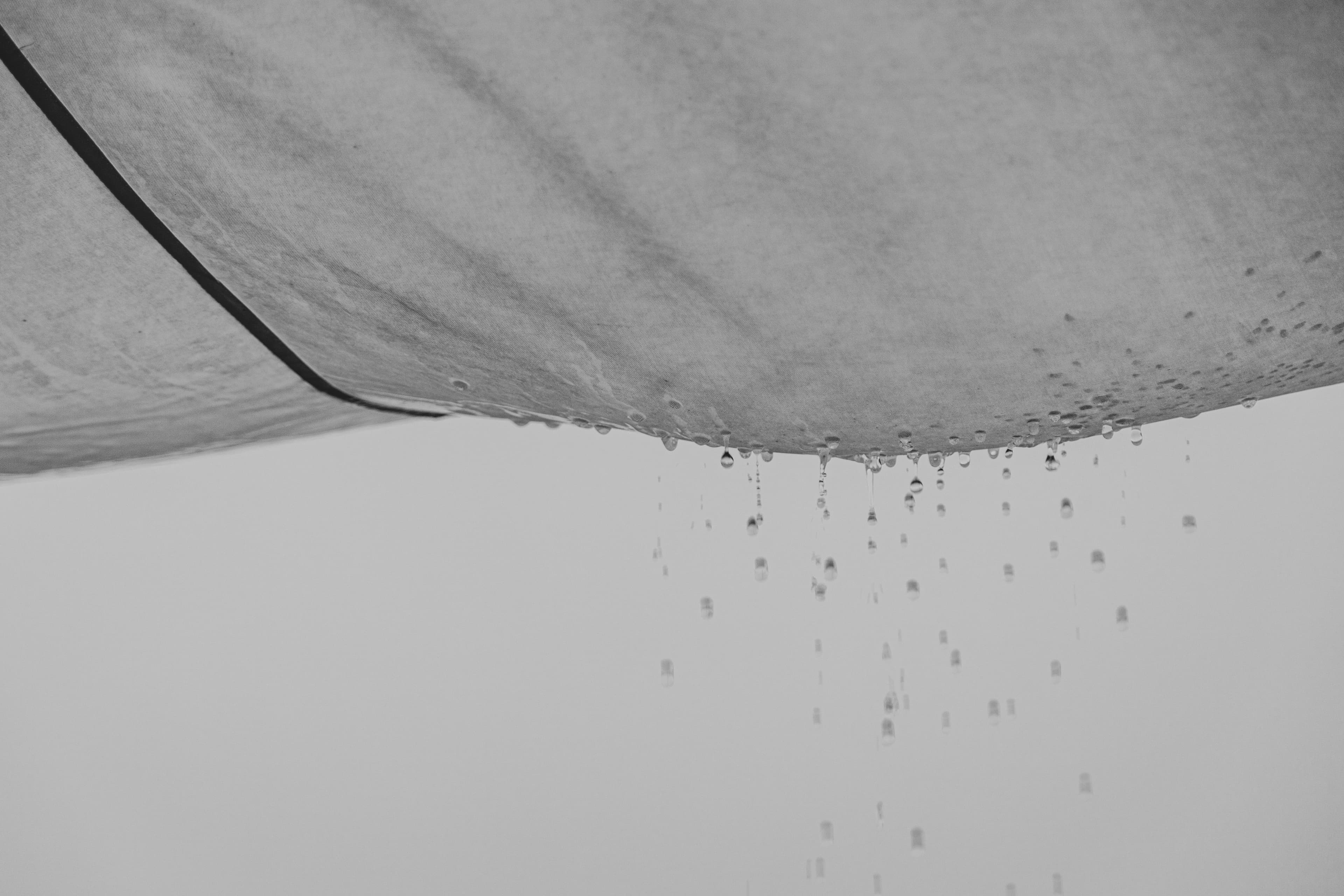
When an AC unit begins to leak water, it indicates a disruption in this normal drainage process. Instead of following its intended path, water escapes the system, often pooling around the indoor unit, dripping from the ceiling, or causing visible dampness. This leakage can stem from various mechanical or operational issues that prevent the condensate from being collected or drained effectively. Recognizing that AC units are not designed to leak water internally is crucial; any visible water outside the condensate line indicates a problem that requires attention to prevent potential damage and ensure the system operates as intended.
Signs You Need AC Water Leak Repair
Identifying the early signs of an AC water leak can help prevent extensive damage and costly repairs. While a visible puddle is the most obvious indicator, several other clues can point to an issue. Being aware of these signs allows homeowners to act quickly and seek professional assistance.
Visible Water Puddles or Stains
The most direct sign is seeing water puddles near the indoor unit (air handler) or damp spots on the ceiling or walls directly below. Water stains, especially brownish or yellowish marks, can also appear on drywall or flooring, indicating consistent leakage over time. These visible indicators demand immediate attention.
Clogged or Dirty Air Filter
A frequently overlooked cause of AC leaks is a severely clogged or dirty air filter. When airflow over the evaporator coil is restricted, the coil can get too cold and freeze. As the ice melts, it produces more water than the drain pan can handle or causes water to overflow before it can reach the drain.
Frozen Evaporator Coil
Beyond a dirty filter, other factors like low refrigerant levels, a malfunctioning blower motor, or blocked vents can cause the evaporator coil to freeze solid. When the unit cycles off, this large block of ice melts rapidly, overwhelming the drain system and leading to leaks.
Damaged or Rusted Drain Pan
The drain pan, typically made of plastic or metal, collects condensed water. Over time, especially in older units, this pan can crack, corrode, or rust, allowing water to escape directly from the pan itself rather than entering the drain line.
Clogged Condensate Drain Line
Algae, dirt, mold, and other debris can accumulate in the condensate drain line, creating a blockage. When the line is obstructed, water backs up into the drain pan, which eventually overflows and causes a leak.
Improper AC Unit Installation
An air conditioning unit that was not installed correctly can also lead to leaks. For instance, if the unit or drain pan is not perfectly level, water may not flow properly towards the drain line and instead overflow from the pan's side.
Reduced Cooling Efficiency
While not a direct sign of a leak, reduced cooling performance can sometimes accompany issues like a frozen coil or low refrigerant, which in turn can lead to water leaks. If your home isn't cooling as effectively as it should, alongside other signs, it's worth investigating for leaks.
The Professional AC Water Leak Repair Process
Addressing an AC water leak requires a systematic and professional approach to ensure the root cause is identified and properly rectified. While some minor issues might appear simple to resolve, the interconnected nature of AC components often necessitates expert diagnosis and repair. Here is a typical step-by-step process a qualified technician follows:
Initial Assessment and Safety Check
The first step involves a thorough inspection of the AC unit and the surrounding area. Technicians will observe the extent of the leak, identify the point of water egress, and check for any associated damage. Before any work begins, the unit's power supply is always safely disconnected to prevent electrical hazards.
Diagnosis of the Leak Source
Using specialized tools and expertise, the technician will systematically check potential causes. This includes inspecting the air filter for excessive dirt or blockage, examining the evaporator coil for ice formation, assessing the condition of the drain pan for cracks or rust, and checking the condensate drain line for clogs or disconnections. Refrigerant levels are also measured to rule out freezing caused by low charge.
Addressing Clogs in the Condensate Line
If a clogged drain line is the culprit, the technician will use methods such as wet/dry vacuum suction or a specialized flush to clear the blockage effectively. For severe blockages, the line may need to be disassembled and cleaned thoroughly. Preventative measures, like adding algaecide tablets, might be recommended.
Repairing or Replacing Components
Depending on the diagnosis, various repairs may be performed. This could involve replacing a damaged or rusted drain pan, repairing a disconnected drain line, or addressing issues causing a frozen coil, such as a dirty filter, low refrigerant, or a faulty blower motor. If the unit's original installation was improper, adjustments to its leveling or drainage setup may be necessary.
Testing and Verification
Once repairs are complete, the AC system is reassembled, and the power is restored. The technician will then run the unit through a full cycle, carefully observing the drainage system to ensure that water is flowing correctly and that the leak has been completely resolved. This verification step is critical to confirm the effectiveness of the repair.
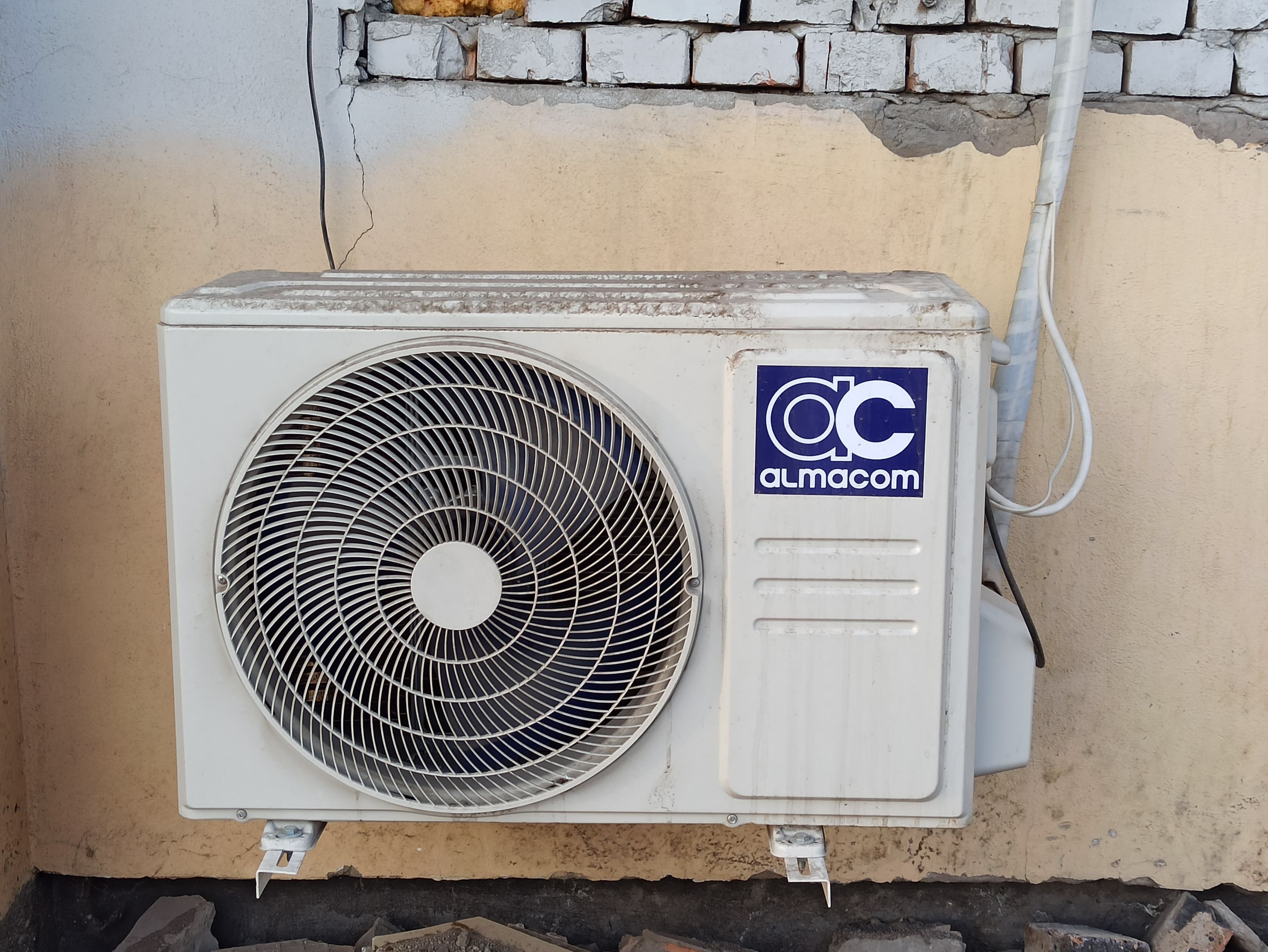
AC Leak Service Coverage in Southeastern Wisconsin & Nearby Areas
Experiencing an AC water leak requires prompt and reliable service. Incan Electric proudly serves homeowners across Southeastern Wisconsin, offering specialized repair services for air conditioning units. The local expertise ensures that technicians are familiar with the specific needs and challenges of properties in this region, from older homes in Milwaukee to newer developments in Waukesha County.
Incan Electric understands the urgency associated with AC issues, especially during peak cooling seasons. A commitment to timely response means that when a homeowner in areas like Racine, Kenosha, Walworth, Washington, Ozaukee, or Jefferson counties calls, help is dispatched efficiently. The goal is to minimize discomfort and prevent the escalation of property damage caused by water. Comprehensive service coverage ensures that residents across Southeastern Wisconsin have access to professional and dependable AC water leak repair when they need it most.
Why Choose Incan Electric for AC Leak Repair
When facing an AC water leak, selecting the right service provider is crucial. Incan Electric stands out in Southeastern Wisconsin for its unwavering commitment to quality, safety, and customer satisfaction. We bring a team of highly skilled, licensed, and experienced electricians and HVAC technicians directly to your door, equipped to diagnose and repair any AC water leak issue.
Our approach is rooted in providing practical, lasting solutions, not just temporary fixes. We prioritize understanding the underlying cause of the leak to ensure the repair is effective and prevents recurrence. Homeowners trust Incan Electric for reliable service, clear communication, and a dedication to upholding the highest safety standards in every job. For immediate assistance with AC water leaks, call (262) 235-5444.
Frequently Asked Questions About AC Leaks
Why is my window AC unit leaking water?
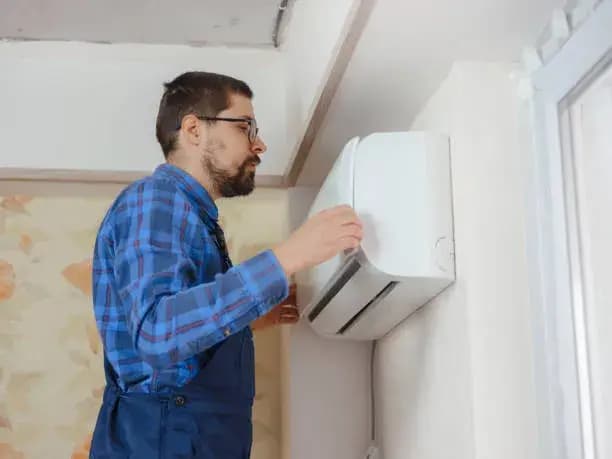
Window AC units can leak for similar reasons as central units, such as a clogged condensate drain pan, a dirty air filter leading to a frozen coil, or incorrect installation (e.g., the unit not being properly tilted outwards to allow drainage). If the unit is not slightly angled towards the outside, condensed water can pool inside and overflow into your home.
Can I continue to use my AC unit if it's leaking water?
It is generally not recommended to continue operating an AC unit that is leaking water. Doing so can exacerbate the problem, potentially leading to electrical damage, further mechanical issues within the unit, or significant water damage to your home's structure and furnishings. The best course of action is to turn off the unit and contact a professional for diagnosis and repair.
How often should I have my AC unit inspected to prevent leaks?
Regular maintenance is key to preventing AC water leaks and ensuring overall system efficiency. It is advisable to have your AC unit professionally inspected and serviced at least once a year, ideally in the spring before the peak cooling season begins. This annual check-up can identify potential issues like clogged drain lines or worn-out components before they lead to leaks.
Professional AC Water Leak Services in Southeastern Wisconsin, WI
A leaking AC unit can quickly turn a comfortable home environment into a stressful situation. Understanding the causes and recognizing the signs is the first step, but professional intervention is often necessary for a reliable and lasting repair. For homeowners in Southeastern Wisconsin seeking expert assistance with AC water leaks, Incan Electric is ready to help. Our team is committed to restoring your AC unit's functionality and your home's comfort and safety.
Do not let a leaking AC unit disrupt your peace of mind. For dependable, professional AC water leak repair services across Southeastern Wisconsin, contact Incan Electric today. Call (262) 235-5444 for expert support.