Introduction: Essential Home Safety in Southeastern Wisconsin
Ensuring the safety of a home and its occupants is a top priority for any homeowner. In Southeastern Wisconsin, from the bustling neighborhoods of Milwaukee County to the serene communities of Waukesha, Ozaukee, Washington, Racine, and Kenosha Counties, vigilance against household hazards is crucial. Among the most fundamental safety devices are smoke and carbon monoxide detectors. These devices are not merely recommendations; they are vital components of a comprehensive home safety strategy, designed to provide early warnings against invisible threats. Understanding their function, proper installation, and maintenance is essential for protecting loved ones and property. This guide explores everything homeowners in Southeastern Wisconsin need to know about these critical safety systems.
What are Smoke and Carbon Monoxide Detectors?
Smoke detectors and carbon monoxide (CO) detectors are distinct yet complementary safety devices. Smoke detectors are designed to sense the presence of smoke, indicating a potential fire. There are two primary types: ionization smoke detectors, which use a small amount of radioactive material to ionize the air between two electrodes and trigger an alarm when smoke disrupts the current, and photoelectric smoke detectors, which use a light beam and sensor, activating the alarm when smoke scatters the light. Both types aim to provide early notification, allowing occupants precious time to evacuate safely.
Conversely, carbon monoxide detectors are specialized devices that detect the presence of carbon monoxide gas. CO is often called the silent killer because it is colorless, odorless, and tasteless, making it impossible for humans to detect without assistance. It is produced by incomplete combustion in appliances like furnaces, water heaters, and gas ranges. Most CO detectors use electrochemical sensors that react to CO in the air, generating an electrical current that triggers an audible alarm. Modern homes often benefit from combination units that incorporate both smoke and carbon monoxide detection into a single device, offering comprehensive protection from multiple hazards.

Signs You May Need New or Serviced Detectors
Reliable smoke and carbon monoxide detectors are the first line of defense against unseen dangers. Recognizing the signs that these devices may be failing or require attention is crucial for maintaining a safe home environment. Proactive checks and replacements can prevent situations where alarms fail to sound when needed most.
Expired Detectors
All smoke and carbon monoxide detectors have a limited lifespan. Smoke detectors typically need replacement every 10 years, while CO detectors should be replaced every 5-7 years. An expiration date is usually printed on the back of the unit. If this date has passed, the sensor's accuracy and reliability may be compromised, warranting immediate replacement.
Frequent False Alarms
While occasional false alarms due to cooking smoke or steam are normal, a detector that frequently sounds without an apparent cause may be malfunctioning. This could be due to dust accumulation inside the unit, improper placement, or a failing sensor. Persistent false alarms can lead to complacency, causing occupants to ignore actual emergencies.
Chirping or Beeping Sounds
A common sign of an issue is a periodic chirp or beep. This usually indicates low battery power. While replacing batteries is a simple fix, if the chirping continues after new batteries are installed, or if the unit is hardwired, it may signal an internal malfunction that requires professional inspection or replacement of the detector itself.
No Alarm During Test
Regular testing of detectors is vital. If pressing the test button on a unit does not produce an audible alarm, or if the alarm is weak, it indicates a critical failure. This could be due to dead batteries, a malfunctioning unit, or a complete lack of power supply, especially for hardwired systems. Immediate action is necessary.
Visible Damage or Age
Physical signs of wear and tear, such as discoloration, cracks, or loose components, suggest that a detector's internal mechanisms might also be compromised. If a detector looks old or damaged, its reliability is questionable, and replacement is advisable.
Work Process for Detector Services
The installation, maintenance, or replacement of smoke and carbon monoxide detectors involves a systematic process to ensure optimal safety and compliance with local regulations in Southeastern Wisconsin. A professional approach ensures that devices are correctly placed, fully functional, and integrated into the home's electrical system where applicable. The typical work process includes:
1. Initial Assessment and Planning
An experienced electrician begins by evaluating the property layout, considering factors such as the number of bedrooms, levels, and fuel-burning appliances. This assessment identifies optimal locations for detectors to provide maximum coverage, adhering to state and local building codes for residential safety.
2. Detector Selection and Placement
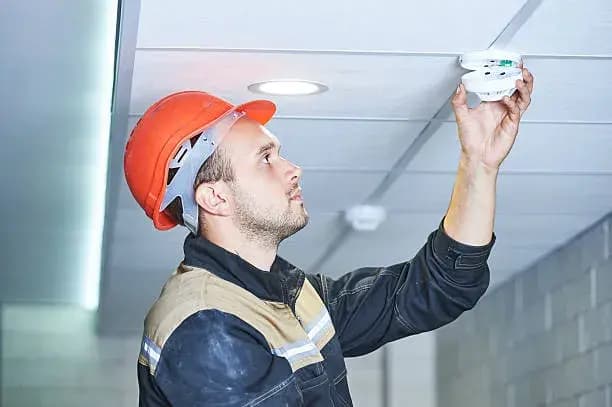
Based on the assessment, appropriate types of detectors are selected. This may involve ionization, photoelectric, or combination units, as well as hardwired or battery-operated models. Strategic placement is key: smoke detectors are typically installed on every level of the home, inside each bedroom, and outside sleeping areas. CO detectors are placed near sleeping areas and on every level where fuel-burning appliances are present. Careful consideration is given to avoid areas prone to false alarms, such as near kitchens or bathrooms.
3. Professional Installation
For hardwired units, installation involves connecting the detectors to the home's electrical system, often with a battery backup. This ensures continuous operation even during power outages. Proper wiring and interconnections are established so that if one alarm sounds, all connected alarms activate, enhancing early warning capabilities. For battery-operated units, correct mounting and battery insertion are confirmed.
4. Testing and Verification
After installation, each detector is thoroughly tested to verify its functionality and ensure proper operation. This includes pressing the test button, checking battery levels, and confirming that interconnected alarms communicate effectively. The professional confirms that audible alarms are clear and loud enough to be heard throughout the home.
5. Client Education
Homeowners receive guidance on how to perform routine tests, change batteries (for battery-operated or backup units), and understand the meaning of different alarm sounds or chirps. Information on detector lifespan and recommended replacement schedules is also provided to empower residents to maintain their safety systems effectively.
Service Coverage in Southeastern Wisconsin & Nearby Areas
Reliable electrical service for smoke and carbon monoxide detectors is critical for homes across Southeastern Wisconsin. Expert electrical contractors extend services throughout this diverse region, encompassing major urban centers and surrounding suburban and rural communities. Coverage includes key areas such as Milwaukee County, Waukesha County, Racine County, Kenosha County, Ozaukee County, and Washington County. Local expertise ensures a thorough understanding of regional building codes and common household concerns, allowing for tailored safety solutions. A commitment to prompt response times means that homeowners can address their detector needs efficiently, ensuring their safety systems are always in optimal working order.
Why Choose Incan Electric for Your Detector Needs?
When it comes to the critical safety of smoke and carbon monoxide detectors, homeowners in Southeastern Wisconsin seek reliable and knowledgeable electrical professionals. At Incan Electric, we pride ourselves on delivering expert services that prioritize your family's safety and peace of mind. Our team consists of licensed and experienced electricians who are deeply familiar with the nuances of residential electrical systems and the specific requirements for detector installation and maintenance. We ensure that all work is performed to the highest industry standards, in compliance with local regulations, and using quality, durable equipment. Our commitment to clear communication, professional conduct, and timely service means your detector needs are handled with efficiency and care. For dependable smoke and carbon monoxide detector services, please reach out to us at (262) 235-5444. We are dedicated to enhancing the safety of your home.
Frequently Asked Questions About Smoke and CO Detectors
How often should smoke and carbon monoxide detectors be replaced?
Smoke detectors, regardless of power source, should generally be replaced every 10 years from the date of manufacture. Carbon monoxide detectors typically have a shorter lifespan, requiring replacement every 5 to 7 years. Always check the manufacturer's recommendations and the expiration date printed on the device for precise guidelines. Battery replacement, however, should occur annually for traditional battery-powered units.
Where should detectors be installed in a home?
For smoke detectors, install them on every level of the home, including the basement. They should be placed inside each bedroom and in the hallway or area immediately outside sleeping areas. Carbon monoxide detectors should also be on every level, especially near sleeping areas and any room containing fuel-burning appliances. Avoid placing them directly above heating vents, near windows, or in excessively dusty areas.
What should be done if a smoke or CO detector alarms?
If a smoke detector alarms, evacuate everyone immediately and call emergency services from a safe location. Do not re-enter the building. If a carbon monoxide detector alarms, move to fresh air immediately and call emergency services or your local fire department. Do not try to find the source of the CO. Always treat an alarm as a genuine threat until professionals confirm otherwise.
Ensure Comprehensive Home Safety in Southeastern Wisconsin, WI
The continuous protection offered by properly installed and maintained smoke and carbon monoxide detectors is indispensable for any home in Southeastern Wisconsin. These devices serve as silent guardians, providing critical early warnings that can make the difference in an emergency. Do not wait for a potential hazard to assess your home's detector systems. If you have concerns about your current detectors, or if it is time for new installations or replacements, professional assistance can ensure your peace of mind. For expert service and reliable solutions for smoke and carbon monoxide detectors, contact Incan Electric today. Call (262) 235-5444 to schedule an appointment and secure the safety of your home and family.