Introduction to Pool Bonding in Southeastern Wisconsin
For homeowners in Southeastern Wisconsin, particularly across counties like Milwaukee, Waukesha, Racine, and Kenosha, a swimming pool offers a refreshing escape during warmer months. While enjoyment is paramount, ensuring the safety of all users must be the highest priority. One critical, often overlooked, aspect of pool safety is pool bonding. This electrical safety measure is vital for preventing potential electrical hazards associated with swimming pools and their surrounding structures. Understanding its purpose and importance is the first step in maintaining a secure swimming environment. This article will explore what pool bonding entails, why it is essential, and how professional electrical services ensure compliance with safety standards, helping homeowners in Southeastern Wisconsin make informed decisions about their pool's electrical integrity.
What is Pool Bonding?
Pool bonding, also known as equipotential bonding, is an electrical safety process designed to minimize voltage differences between metallic components in and around a swimming pool. The core principle is to connect all conductive materials-such as the pool shell reinforcement, ladders, diving boards, pump motors, filter housings, heater components, and even certain fences-to a common grounding system. This connection creates an equipotential plane, meaning all bonded parts will be at the same electrical potential. Should an electrical fault occur, this bonding system ensures that no dangerous voltage differences exist between the water and surrounding metal objects, or between different metal objects themselves. Without proper bonding, an electrical fault could lead to stray voltage, creating a shock hazard for anyone in or near the pool. It is a preventative measure against electrocution and works in conjunction with other electrical safety devices like Ground Fault Circuit Interrupters (GFCIs) to provide comprehensive protection.
The bonding process uses a continuous, un-spliced bonding conductor, typically copper wire, connecting these metallic elements back to a central grounding point. This system does not carry current under normal operating conditions; instead, its role is to safely dissipate any stray electrical current into the earth, away from swimmers. Adherence to National Electrical Code (NEC) standards and local Southeastern Wisconsin regulations is crucial for effective and compliant pool bonding installations.

Signs You Need Pool Bonding Services
Recognizing the need for pool bonding services is essential for maintaining a safe aquatic environment. Several situations can indicate that it's time to assess or update your pool's bonding system. Being aware of these signs can help homeowners in Southeastern Wisconsin proactively address potential electrical safety concerns.
New Pool Installation
Any new swimming pool, whether inground or above-ground, requires a complete and compliant bonding system as part of its initial electrical setup. This is a fundamental requirement outlined in the National Electrical Code (NEC) to ensure safety from the outset. Professional installation ensures all metallic components are correctly integrated into the equipotential plane.
Existing Pool Upgrades or Renovations
If you are undertaking a significant renovation of your existing pool, such as replacing the pump, filter, heater, adding new lighting, or installing a new deck, it's an opportune moment to review and potentially upgrade your bonding. Any change to the pool's structure or electrical components can affect the existing bonding system, potentially creating new points of electrical differential if not properly addressed. It is critical to ensure that any new metallic elements are bonded correctly.
Outdated Electrical Systems
Older pools may have bonding systems that predate current NEC standards or may have degraded over time. Electrical codes evolve, and what was considered adequate years ago might not meet today's safety requirements. An older pool in Southeastern Wisconsin could benefit from a professional assessment to determine if its bonding system needs an update to comply with modern safety protocols.
Post-Inspection Recommendations
Sometimes, a general home inspection or a specialized pool inspection might flag issues with the existing bonding. Inspectors are trained to identify potential safety hazards, and if they recommend a bonding assessment or upgrade, it should be taken seriously. Addressing these recommendations promptly is vital for safety.
Visible Corrosion or Damage
Any visible signs of corrosion, fraying, or damage to bonding wires or connections are a clear indication that the system's integrity may be compromised. Damaged components cannot effectively create an equipotential plane, thus negating the safety benefits of bonding. Regular visual checks of accessible connections can help identify these issues early.
The Pool Bonding Work Process
The installation or upgrade of a pool bonding system is a detailed electrical task that requires precision and adherence to strict safety standards. For residents in Southeastern Wisconsin, understanding the professional work process can provide clarity on what to expect.
1. Initial Assessment and Planning
A qualified electrician begins by conducting a thorough assessment of the pool area. This includes identifying all metallic components that require bonding, such as the rebar in the concrete shell, ladders, handrails, diving boards, water features, pump motors, filters, heaters, and any other conductive items within a specified distance of the pool. The assessment also considers the location of the electrical panel and potential grounding points. Based on this, a detailed plan is developed, outlining the bonding pathways and materials needed.
2. Material Preparation
High-quality, corrosion-resistant materials are selected, primarily bare solid copper conductors of the appropriate gauge as specified by the NEC. All necessary connectors, clamps, and bonding plates are prepared to ensure secure and lasting connections.
3. Installation of Bonding Conductors
The bonding conductor is run continuously to connect all identified metallic components. For new pools, this often involves tying into the steel reinforcing bar (rebar) grid in the concrete shell. For existing pools, access might require careful excavation or working within existing conduit systems. The wire is routed to minimize exposure to damage and to ensure accessibility for future inspections if needed.
4. Connection to Metal Components
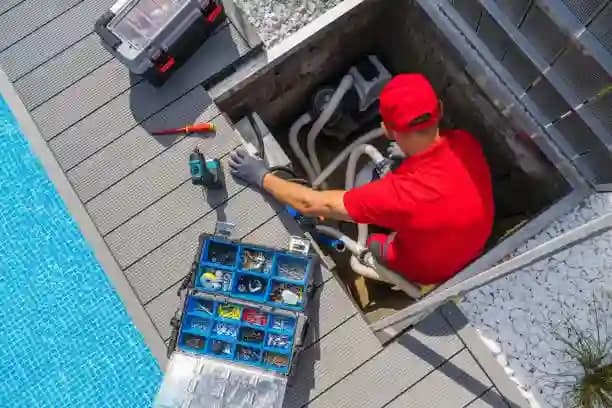
Each metallic component is securely connected to the bonding conductor using approved clamps and connectors. These connections are made in a way that ensures maximum conductivity and resistance to corrosion, which is critical given the damp environment around a pool. Special attention is paid to pool pumps, heaters, and filter housings, ensuring their metal casings are properly bonded.
5. Testing and Verification
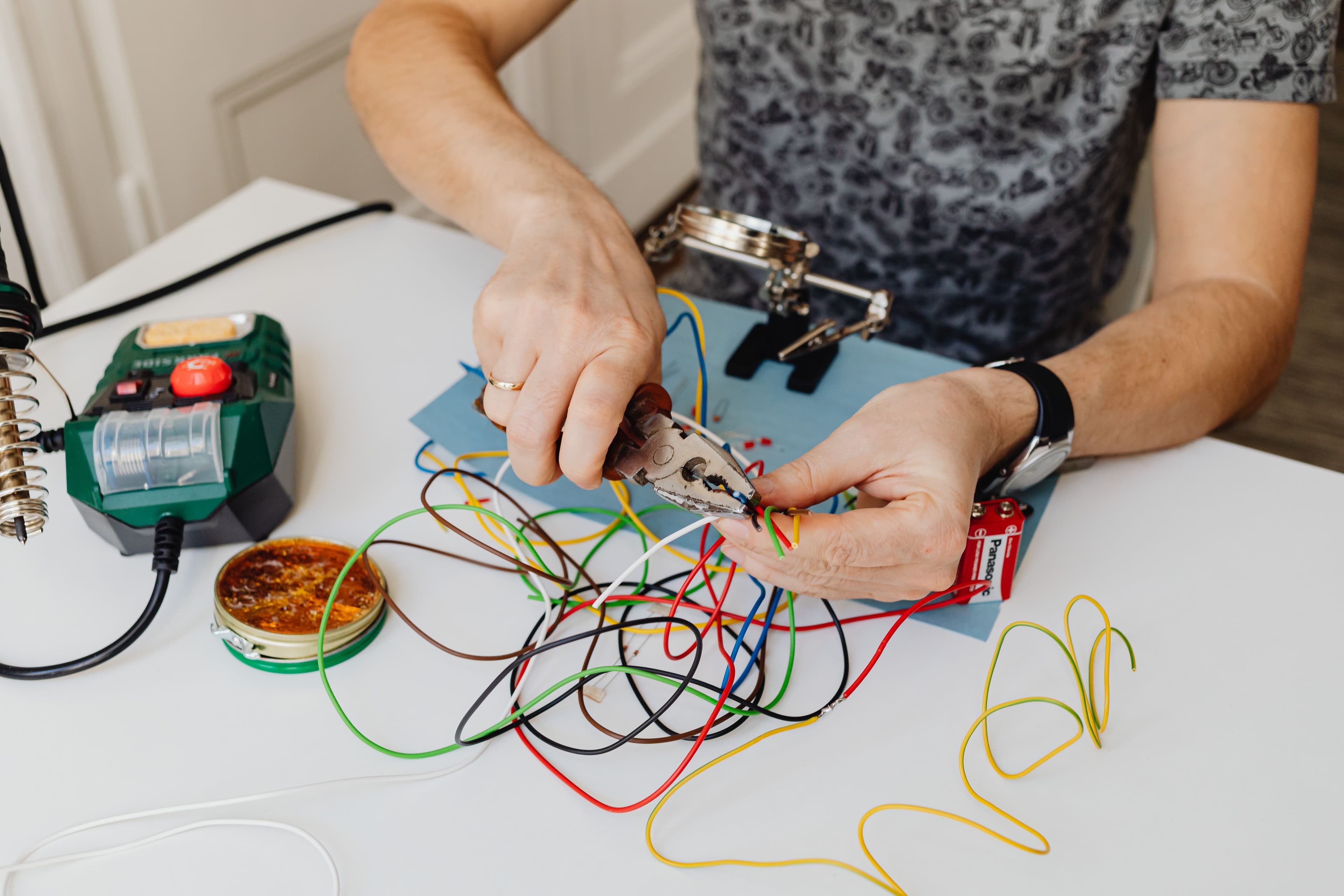
Once all connections are made, the entire bonding system undergoes rigorous testing. Electricians use specialized equipment to verify that all bonded components are indeed at the same electrical potential and that there are no breaks or high-resistance points in the bonding path. This step confirms the effectiveness and integrity of the installation.
6. Documentation and Compliance
Upon successful completion and testing, documentation is prepared, confirming that the pool bonding meets all applicable NEC and local Southeastern Wisconsin building codes. This documentation is important for inspections and provides peace of mind regarding the safety and legality of the installation.
Service Coverage in Southeastern Wisconsin & Nearby Areas
Ensuring immediate access to professional electrical services is vital for pool owners. Incan Electric proudly extends its comprehensive pool bonding services across Southeastern Wisconsin, recognizing the unique needs of this diverse region. Our local expertise allows for prompt response times and efficient service delivery, from initial consultation to final inspection.
Service coverage includes major cities and surrounding communities within Southeastern Wisconsin, ensuring that quality electrical work is never far away. This includes areas in and around Milwaukee, Waukesha, Racine, Kenosha, Ozaukee, Washington, and Walworth Counties. A commitment to local communities means electricians are familiar with regional electrical codes and environmental factors that might influence pool electrical systems. This localized knowledge ensures that all bonding installations are not only compliant with national standards but also tailored to the specific conditions of Southeastern Wisconsin.
Why Choose Incan Electric for Pool Bonding
Selecting the right electrical contractor for pool bonding is a decision that impacts the safety and longevity of your pool. At Incan Electric, we bring a wealth of experience and a commitment to precision to every project in Southeastern Wisconsin. Our team of electricians is highly trained in the intricacies of pool electrical systems, ensuring that every bonding installation adheres strictly to the latest National Electrical Code (NEC) standards and local regulations.
We understand the importance of clear communication and a meticulous approach to electrical safety. Our focus is on providing reliable, compliant, and durable bonding solutions that offer genuine peace of mind. We utilize appropriate tools and techniques to ensure every connection is secure and effective, minimizing any potential for electrical hazards. For professional and dependable pool bonding services that prioritize your family's safety, please call (262) 235-5444.
Frequently Asked Questions About Pool Bonding
Why is pool bonding important?
Pool bonding is important because it protects against electrical shock by ensuring that all metal components around a pool are at the same electrical potential. This prevents dangerous voltage differences from occurring, which could otherwise pose a serious electrocution hazard if an electrical fault were to introduce stray current into the pool area.
Is pool bonding a legal requirement?
Yes, pool bonding is a legal requirement specified by the National Electrical Code (NEC), which is adopted by most jurisdictions, including those in Southeastern Wisconsin. Adherence to these codes is mandatory for new pool installations and often for significant renovations, ensuring the safety of pool users and compliance with local building ordinances.
How often should pool bonding be checked?
While there isn't a specific annual inspection requirement for bonding, it is advisable to have a qualified electrician inspect your entire pool electrical system, including bonding, at least every 3-5 years, or immediately if any electrical work is performed or if there are signs of corrosion or damage. Regular visual checks for visible damage are also beneficial.
Professional Pool Bonding Services in Southeastern Wisconsin, WI
Ensuring the electrical safety of your swimming pool is a critical responsibility for every homeowner in Southeastern Wisconsin. Proper pool bonding is an indispensable part of this commitment, safeguarding against potential hazards and providing peace of mind. By entrusting your pool bonding needs to experienced and qualified professionals, you ensure compliance with electrical codes and the highest standards of safety. For reliable, expert pool bonding services that you can trust, connect with Incan Electric today. Protect your investment and, more importantly, those who enjoy it.
Contact us for professional assistance with your pool's electrical safety. Call (262) 235-5444 to schedule a service.