
Lights Dim and Flicker When AC Starts in Muskego: Repair Guide
August 24, 2026
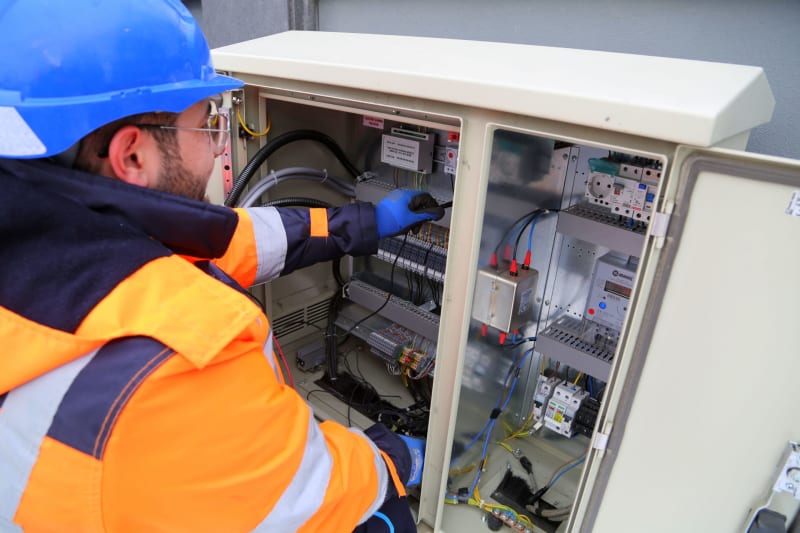
When lights dim and flicker when the AC starts, Muskego homeowners often wonder if their electrical service is overloaded or hazardous. While a brief voltage dip can happen when an air conditioner compressor draws high inrush current, prolonged dimming indicates loose neutral wiring, undersized branch circuits, or an aging electrical panel. Incan Electric inspects residential wiring systems across Muskego, diagnosing voltage drop issues and restoring safe power.
Why Do Lights Dim and Flicker When the AC Starts in Muskego?
Central air conditioners demand a tremendous surge of electrical energy the instant the compressor motor kicks on. This sudden demand—referred to as inrush current or locked-rotor amperage—can reach four to six times the air conditioner's normal running current. For a few milliseconds, the motor pulls heavily on your home's main electrical feeder lines, creating a localized voltage drop across interior lighting circuits.
In Muskego homes, electrical service characteristics and appliance loads influence how noticeable this voltage drop appears:
- High compressor inrush current demand - Aging compressor motors draw heavy starting current before reaching operational speed, pulling voltage away from branch lighting circuits.
- Undersized service panels and feeder wires - Older 100-amp panels struggle to supply simultaneous current to central AC, well pumps, water heaters, and household appliances.
- Loose or corroded neutral wire connections - Corroded neutral busbars or loose wire nuts cause unbalanced voltages, making lights flicker erratically across rooms.
- Shared branch circuits with high-draw equipment - Lighting circuits sharing conduit or distribution lines with heating and cooling equipment experience immediate voltage sags.
- Weak or failing motor capacitors - Deteriorated run capacitors force the compressor motor to strain during startup, extending the duration of household light dimming.
Call (262) 235-5444 or request an electrical inspection to have Incan Electric evaluate your service panel and locate electrical voltage drops.
When Is AC Voltage Drop Normal vs. Dangerous?
Understanding whether flickering lights represent harmless motor physics or a critical fire hazard depends on duration, severity, and location. A barely perceptible flicker lasting less than a fraction of a second is common in residential electrical systems. However, pronounced dimming that lasts several seconds or affects multiple rooms indicates an electrical defect requiring professional diagnosis.
Homeowners in Waukesha County should pay attention to several warning signs that distinguish benign startup dips from severe wiring faults. If lights lose half their brightness or remain dim while the outdoor condenser runs, branch circuit resistance is abnormally high. Loose electrical terminations generate localized heat, which can degrade wire insulation and ignite nearby framing.
The danger intensifies when dimming is accompanied by other abnormalities. If lights in one room dim while lights in another room grow noticeably brighter when the compressor starts, you likely have an open or floating neutral conductor. This condition can push 120-volt circuits up toward 240 volts, destroying sensitive electronics and creating severe shock hazards.
How Do Electricians Troubleshoot Lights Flickering When Appliances Start?
Tracing intermittent voltage fluctuations requires specialized diagnostic equipment and a systematic inspection procedure. Qualified electricians assess the entire electrical path from the utility meter to individual branch receptacles.
Technicians follow a comprehensive troubleshooting sequence under Wisconsin electrical standards:
- Panel and busbar thermal evaluation - Technicians examine main breaker lugs, neutral bars, and circuit breakers for loose screws, pitting, or heat discoloration.
- Dynamic voltage drop measurement - Electricians measure line voltage under load to determine exact percentage drops when the air conditioner compressor starts.
- Dedicated compressor circuit verification - Technicians check wire gauge, breaker sizing, and disconnect switch contacts feeding the outdoor condenser unit.
- Service entrance neutral integrity testing - The electrician tests neutral continuity and resistance back to the utility meter and grounding electrode system.
- Panel load calculation and capacity review - Technicians calculate total household demand to verify whether the existing electrical service supports current appliances.
Normal Voltage Dip vs. Serious Electrical Faults: What Are the Differences?
Differentiating between standard startup physics and dangerous electrical defects protects your household equipment and prevents structural fires. The following reference table summarizes common symptoms, underlying causes, and appropriate corrective actions:
| Electrical Symptom | Underlying Cause | Hazard Level | Recommended Action |
|---|---|---|---|
| Subtle dimming under half a second | Normal motor inrush current draw | Low | Monitor system; consider adding an AC soft-start kit |
| Dimming lasts 2 to 5 seconds | Weak AC start capacitor or failing motor | Moderate | Have HVAC technician check motor capacitor ratings |
| Lights dim in one room, brighten in another | Loose, damaged, or open neutral wire | High | Call electrician immediately; risk of ruined electronics |
| Multiple circuits flicker continuously | Loose main breaker lug or meter terminal | Severe | Contact emergency electrician to inspect main service |
| Breaker trips when AC starts | Circuit overload or direct short circuit | High | Do not reset repeatedly; schedule professional diagnostic |
| Burning smell or buzzing panel | Arcing electrical contacts or melted wire | Critical | Shut off main disconnect if safe; call emergency service |
What Factors Influence the Cost of Electrical Troubleshooting and Repairs?
Because flickering lights can stem from a simple loose terminal screw or require a complete service rebuild, contractors do not provide flat quotes without an in-person diagnostic inspection. Identifying the root cause requires methodical meter testing.
Several practical factors establish the scope of repairs:
- Location of the loose connection - Tightening a neutral lug inside the main breaker panel requires less time than tracing a loose splice hidden inside an attic junction box.
- Need for a dedicated branch circuit - If an air conditioner shares wiring with other household circuits, running a new dedicated feeder line increases material and labor requirements.
- Electrical panel capacity and age - If testing reveals the panel is overloaded or contains obsolete busbars, replacing or upgrading the service becomes necessary.
- Utility coordination with We Energies - If the fault lies in overhead drop connections or the exterior meter socket, coordinating utility disconnects impacts scheduling.
- Municipal permit fees - Major circuit additions or panel alterations require electrical permits issued by municipal building inspection departments.
Because every home's wiring configuration is distinct, we quote after one visit so homeowners know the exact repair scope before work begins.
Why Does Local Service Experience Matter for Muskego Homes?
Muskego combines historic rural properties near Little Muskego Lake with modern subdivisions and suburban ranches. Many residences rely on high-demand electrical equipment, including private well pumps, sump pumps, central cooling, and backup power equipment. During humid Wisconsin summers, cooling systems cycle frequently, pushing residential electrical infrastructure to its operational limits.
Incan Electric brings 5+ years of verified field experience serving homeowners throughout Muskego and surrounding communities in Waukesha and Milwaukee counties. Our team performs generator and interlock installations in Muskego, as well as panel upgrades, dedicated circuits, and diagnostic inspections. We understand local utility coordination with We Energies and follow municipal permit guidelines set by City of Muskego building inspectors.
Our installations comply with the Wisconsin DSPS electrical program enforcement of SPS 316 and the NFPA 70 (National Electrical Code). We ensure every connection is torqued to manufacturer specifications, eliminating resistance points that trigger voltage dips.
Frequently Asked Questions
Can a failing AC capacitor cause lights to flicker in my house?
Yes, a failing air conditioner run or start capacitor can cause severe light flickering. The capacitor stores electrical energy to assist the compressor motor during startup. When a capacitor weakens, the compressor struggles to turn over, drawing excessive locked-rotor current for several seconds. This prolonged current draw deepens the voltage drop across household circuits until the motor finally reaches operational speed.
Does an open or loose neutral wire cause dimming lights?
A loose or broken neutral wire is one of the most dangerous causes of light dimming. In a standard 120/240-volt split-phase residential service, the neutral wire balances current between both 120-volt legs. When the neutral connection fails, voltage becomes unstable. Circuits with heavier loads experience voltage drops, causing lights to dim, while circuits with lighter loads experience voltage spikes that can fry appliances.
Can frequent voltage drops damage smart appliances and computers?
Yes, repetitive voltage sags and surges strain delicate solid-state electronics. Modern appliances—including variable-speed furnaces, smart refrigerators, television displays, and home automation hubs—rely on microprocessor power supplies. Consistent voltage fluctuations cause electronic power supplies to overheat, corrupt digital memory, and lead to premature component failure. Addressing electrical voltage drop protects expensive household investments.
Does installing a hard start kit or dedicated circuit solve the issue?
Installing an air conditioner hard start kit or soft starter reduces compressor inrush current, often curing normal startup dimming. However, if flickering is caused by a loose neutral, corroded breaker, or undersized electrical service, an HVAC kit will not resolve the underlying hazard. A licensed electrician must first verify the integrity of your panel and branch circuits.
Ready to Stop Flickering Lights in Your Muskego Home?
Flickering and dimming lights should never be ignored, as underlying connection faults can jeopardize your family's safety and damage expensive home equipment. Our experienced licensed Muskego electricians provide comprehensive home electrical inspection services, dedicated circuit wiring, and electrical panel upgrade solutions across Muskego, Waukesha, Milwaukee, Racine, Kenosha, Ozaukee, and Washington counties.
Call (262) 235-5444 or contact Incan Electric online to schedule a thorough electrical troubleshooting visit today.