
Knob and Tube Wiring Replacement: Milwaukee & Southeastern Wisconsin Guide
August 18, 2026
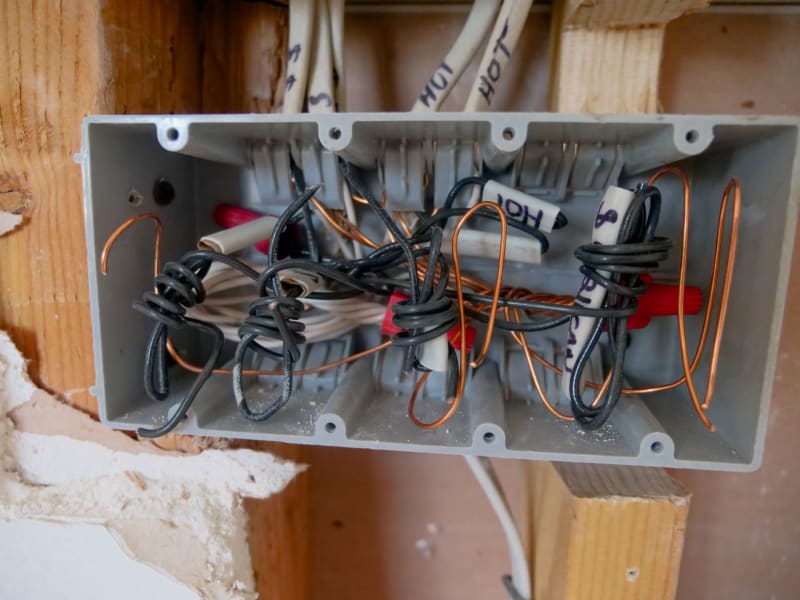
Knob and tube wiring replacement is the complete removal of obsolete, ungrounded electrical wiring and its replacement with modern, code-compliant grounded copper branch circuits. For homeowners across Milwaukee, West Allis, and southeastern Wisconsin living in historic homes built before 1950, replacing knob-and-tube wiring eliminates serious fire hazards, resolves property insurance restrictions, and provides the safe electrical capacity needed for modern household appliances.
Why Is Knob and Tube Wiring Replacement Necessary in Older Homes?
Knob-and-tube wiring was the standard residential electrical method installed from the late 1880s through the 1940s. The system uses single insulated copper conductors held in place by porcelain insulating knobs along wall studs and ceiling joists, with cylindrical porcelain tubes protecting wires where they pass through wood framing. Unlike modern cables, knob-and-tube runs hot and neutral conductors separately through open framing cavities, relying on open air to dissipate normal operational heat.
The primary safety hazard of knob-and-tube wiring stems from the complete absence of an equipment grounding conductor. Modern electrical appliances, computers, televisions, and kitchen equipment require a grounded three-prong circuit to safely divert fault currents and prevent dangerous electrical shocks. Without a ground path, transient surges and ground faults travel through connected equipment or household occupants, creating elevated shock hazards throughout older properties.
Aging materials compound these risks over decades of use. The original insulation consists of cotton cloth saturated with rubber or asphalt compounds. After eight to ten decades of seasonal temperature swings and continuous electrical use, this organic insulation dries out, turns brittle, and flakes off the copper conductors. Bare conductors exposed inside dry wall cavities or unfinished basements create continuous arcing and fire hazards.
Modern safety codes also govern electrical renovations in Wisconsin. The Wisconsin DSPS electrical program enforces SPS 316, which adopts NFPA 70 (National Electrical Code) standards with state-specific amendments. Under current electrical standards, concealed knob-and-tube wiring cannot remain in service when modern thermal insulation is added, and ungrounded circuits cannot support modern branch circuit demands.
Call (262) 235-5444 or request a callback to have Incan Electric inspect your wiring and plan your replacement safely.
What Are the Warning Signs of Aging Knob-and-Tube Wiring?
Many homeowners in southeastern Wisconsin live with active knob-and-tube wiring without realizing it, especially if past renovations added modern three-prong outlets to ungrounded circuits. Routine visual inspections of unfinished basements, crawlspaces, and attics often reveal active porcelain knobs anchored to exposed floor joists. Identifying degraded wiring early prevents electrical failures before they escalate into structural emergencies.
Safety first: If you notice a persistent electrical burning odor, see smoke or sparking from an outlet, or observe charred insulation along exposed wires, shut off power at your main breaker panel or fuse box immediately and call a licensed electrician. Never touch bare copper wires or attempt to patch deteriorating cloth insulation with electrical tape.
- Brittle or disintegrating wire insulation - Decades of exposure to ambient heat cause the original rubberized cloth sheath to crack, crumble, and expose energized copper conductors.
- Absence of equipment grounding - Knob-and-tube circuits supply only hot and neutral conductors, leaving sensitive electronics, computer equipment, and modern appliances without fault protection.
- Dangerous attic thermal insulation contact - Legacy open-air conductors trap heat when covered by blown-in fiberglass or cellulose insulation, creating an active fire risk.
- Improper modifications and uncontained splices - Previous handymen often tapped modern Romex cable directly into old cloth wiring without approved junction boxes.
- Frequent breaker trips or blown fuses - Circuits sized for minimal 1920s lighting loads overheat rapidly when modern space heaters, microwaves, or air conditioners run simultaneously.
- Flickering lights or warm cover plates - High resistance from deteriorating wire splices and corroded soldered joints generates heat inside enclosed wall cavities.
How Does the Knob-and-Tube Replacement Process Work?
Planning a whole-house rewiring project requires a systematic approach to update your home's electrical infrastructure while protecting interior finishes. Professional electricians use specialized tools to navigate historic framing, avoiding extensive plaster demolition wherever possible.
- Diagnostic assessment and circuit mapping - An electrician inspects the service panel, traces active circuits, identifies concealed knob-and-tube runs, and develops a replacement plan.
- Municipal electrical permit filing - Incan Electric files and pulls required permits directly with your local municipal building inspection department before work begins.
- Utility coordination when required - If your project requires a service mast rebuild or meter disconnect, our team coordinates scheduling directly with We Energies.
- Strategic pathway access and circuit fishing - Electricians use fish tapes and targeted openings to pull modern grounded NM-B copper wiring through walls with minimal plaster disturbance.
- Panel modernization and safety breaker installation - New branch circuits connect to modern circuit breakers with dual-function AFCI and GFCI protection to safeguard against arcs and shocks.
- Decommissioning legacy wiring - Accessible knob-and-tube wiring is removed, while inaccessible dead runs are disconnected from the power source and verified de-energized.
- Circuit testing and municipal inspector sign-off - Every new receptacle, switch, and fixture undergoes ground and polarity testing before the municipal inspector provides final sign-off.
Executing rewiring in older homes demands precision and care. By feeding new non-metallic sheathed cables through basement ceilings, attic floor spaces, and interior partition walls, licensed electricians preserve vintage lath-and-plaster architecture. Once municipal inspectors approve the rough and final installations, only small drywall patches remain for finishing.
Knob-and-Tube Wiring Hazards: Urgency and Recommended Action
Not every home with knob-and-tube wiring presents the same immediate threat level. An untouched circuit supplying two low-wattage hallway lights carries different risks than an ungrounded kitchen circuit buried under fiberglass insulation. Understanding the severity of specific wiring conditions helps homeowners prioritize necessary upgrades.
| Observation or System Condition | Underlying Electrical Hazard | Urgency Level | Recommended Action |
|---|---|---|---|
| Two-prong outlets throughout the home | Absence of equipment ground; shock hazard for modern electronics | Moderate | Schedule whole-house rewiring to install grounded three-wire circuits. |
| Thermal insulation over attic wiring | Trapped heat degrades rubberized cloth insulation, risking fire | High | Shut off circuit power and arrange a professional rewiring evaluation. |
| Brittle, crumbling, or bare cloth wiring | Exposed energized copper conductors inside framing cavities or joists | Immediate | De-energize the circuit at the main panel and call an electrician right away. |
| Modern Romex spliced into old cloth wiring | Overloaded legacy branch circuits and improper ungrounded junctions | High | Have an electrician trace circuits, remove splices, and replace wiring. |
| Insurance non-renewal or cancellation notice | Carrier underwriting exclusions for active knob-and-tube wiring | Priority | Commission an electrical assessment and execute a permitted rewiring plan. |
Prioritizing electrical hazards ensures immediate safety while allowing homeowners to plan comprehensive modernizations systematically. Addressing compromised circuits first eliminates immediate fire threats, while full rewiring permanently resolves grounding and insurance concerns.
Where Do We Do This Work in Southeastern Wisconsin?
Incan Electric provides professional electrical rewiring, panel upgrades, and emergency service across Milwaukee, Waukesha, Racine, Kenosha, Ozaukee, and Washington counties. Older housing stock built during the late nineteenth and early twentieth centuries is widespread across our service area, from classic bungalows and two-family duplexes to stately historic homes.
Our team regularly handles complex residential rewiring in West Allis, Milwaukee, and Mequon. Recent projects include completing knob-and-tube rewiring in Mequon, rewiring a full West Allis duplex, and executing four major rewiring projects in Milwaukee, including a complete triplex service rebuild. Whether you need a duplex service update from our electrician in West Allis, WI or a historic home evaluation in Wauwatosa, our electricians bring verified field experience to every project.
Beyond rewiring, our crews maintain electrical infrastructure throughout nearby communities. We perform emergency mast and service rebuilds in Eagle, Kenosha, Union Grove, Burlington, Brookfield, West Allis, Wauwatosa, and Menomonee Falls following severe Wisconsin storms and winter ice events. We also complete service and panel upgrades across Racine, West Allis, Milwaukee, South Milwaukee, Oak Creek, and Waukesha, including a specialized mobile home subpanel replacement.
Our local footprint also includes EV charger installations in Kenosha, Bristol, Milwaukee, West Allis, and Saukville, alongside lighting, circuit, and inspection work in Bayside, New Berlin, and Pewaukee. For every project, Incan Electric manages the municipal permitting process directly with local city and village building inspection departments, coordinates required service disconnects with We Energies, and meets the municipal inspector on site for final approval.
What Factors Determine the Scope and Cost of Rewiring?
Because every historic home features unique architectural details and varying degrees of past electrical work, rewiring scope varies significantly between properties. Rather than relying on generic estimates, reputable electrical contractors evaluate physical site conditions before establishing a project plan.
Several core technical variables dictate the required labor and materials for your rewiring project:
- Home square footage and vertical layout - Multi-story homes with finished attics require more complex routing pathways than single-story ranch layouts.
- Interior wall and ceiling construction - Navigating vintage wood lath and plaster requires specialized fishing techniques to avoid surface cracking compared to drywall.
- Accessibility of structural cavities - Open basements and accessible attics provide direct pathways for pulling home runs, reducing labor time.
- Active knob-and-tube circuits remaining - Some properties retain legacy wiring only on upper lighting circuits, while others require complete whole-house replacement.
- Service capacity and panel condition - Vintage homes operating on 60-amp or 100-amp fuse boxes require an electrical panel upgrade to safely power modern 200-amp service loads.
- Number of required dedicated branch circuits - Adding modern circuits for kitchen appliances, bathroom receptacles, and home offices expands panel requirements.
Because each home's wiring history, framing structure, and power demands differ, we quote after one visit so you know the exact scope and specifications before any work begins.
Frequently Asked Questions
Can I get homeowners insurance in Wisconsin with knob-and-tube wiring?
Most Wisconsin insurance carriers refuse to write new homeowner policies or issue renewals for properties with active knob-and-tube wiring. Insurers view ungrounded circuits and degraded cloth insulation as significant fire hazards. While some specialized carriers offer temporary or conditional surplus lines coverage, premiums are typically substantial. Replacing outdated wiring with permitted, grounded modern copper circuits satisfies underwriter safety standards and allows homeowners to qualify for standard, competitive insurance policies.
Why is thermal insulation dangerous around knob-and-tube wiring?
Knob-and-tube wiring was engineered to operate suspended in free air within wall cavities and open attics, allowing heat generated by electrical current to dissipate naturally. When modern fiberglass, cellulose, or spray foam insulation covers active conductors, heat cannot escape. The trapped heat accelerates the breakdown of brittle rubberized cloth insulation, creating an immediate fire hazard. The National Electrical Code strictly prohibits installing thermal insulation directly over or around active knob-and-tube wiring.
Can you replace knob-and-tube wiring without tearing down plaster walls?
Yes, experienced electricians can replace knob-and-tube wiring while preserving historic lath-and-plaster walls. Rather than opening broad trenches, electricians use precision cutouts, flexible drill bits, and fish tapes to route modern NM-B cables through wall cavities, attic floor joists, and open basement spaces. While small access holes near switches and outlets are unavoidable, strategic routing keeps drywall and plaster repairs to a minimum and protects the architectural character of your home.
Do I need to upgrade my electrical panel when replacing knob-and-tube wiring?
In most older southeastern Wisconsin homes, replacing knob-and-tube wiring goes hand-in-hand with an electrical panel upgrade. Vintage homes often operate on 60-amp or 100-amp fuse boxes or obsolete breaker panels that lack room for modern 15-amp and 20-amp grounded branch circuits. Upgrading to a 200-amp service panel ensures adequate capacity, accommodates AFCI and GFCI protection, and satisfies current Wisconsin SPS 316 and National Electrical Code standards for modern household electrical loads.
Ready to Replace Knob and Tube Wiring in Your Home?
Upgrading outdated knob-and-tube wiring protects your family from electrical fires, eliminates insurance hurdles, and ensures your home safely handles modern appliances. Our licensed team brings 5+ years of hands-on experience providing meticulous wiring assessments, code-compliant installations, and complete municipal permitting across Milwaukee, Waukesha, Racine, Kenosha, Ozaukee, and Washington counties.
Call (262) 235-5444 or schedule your wiring consultation to bring your home's electrical system up to modern safety standards.