Introduction
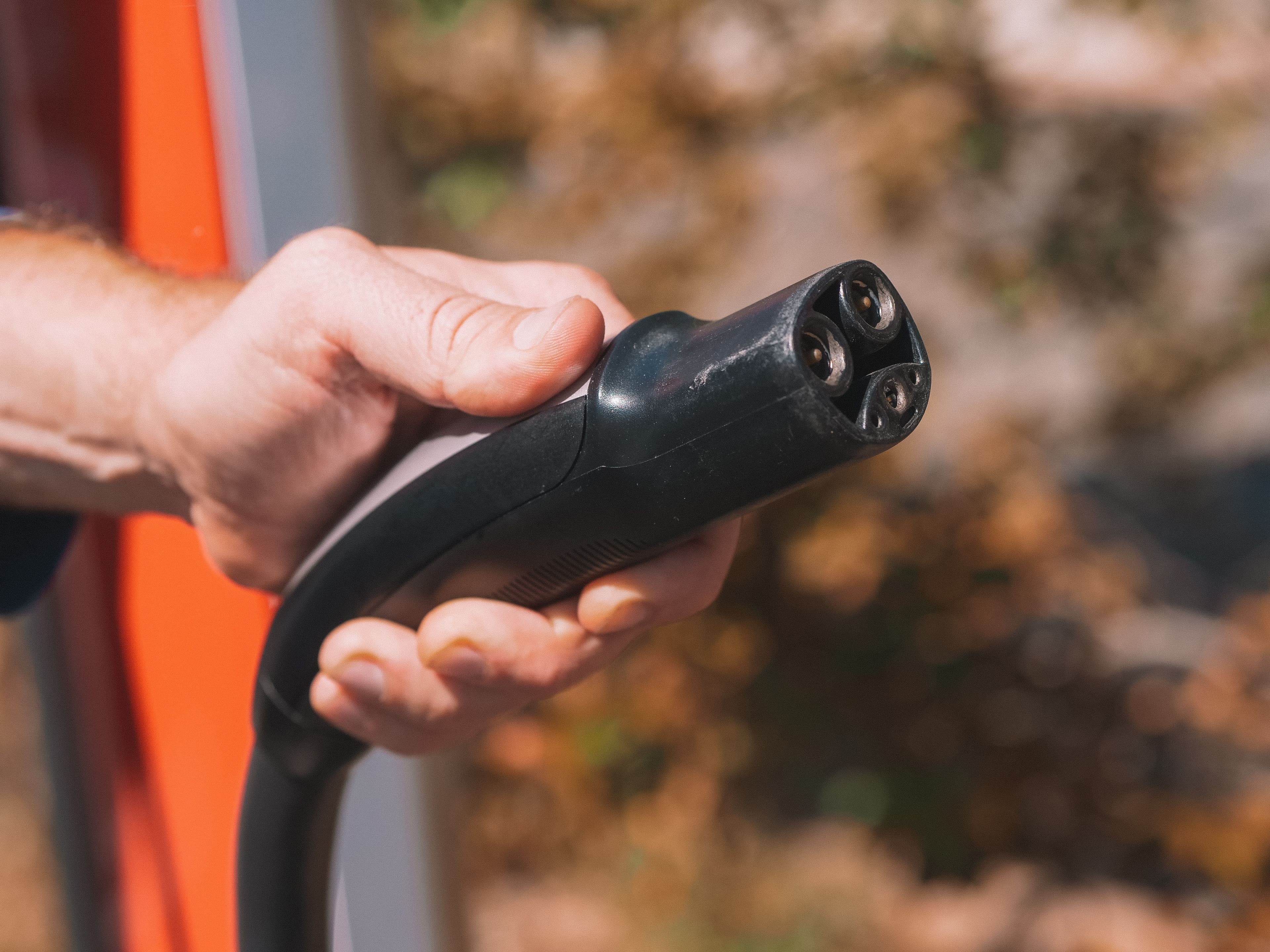
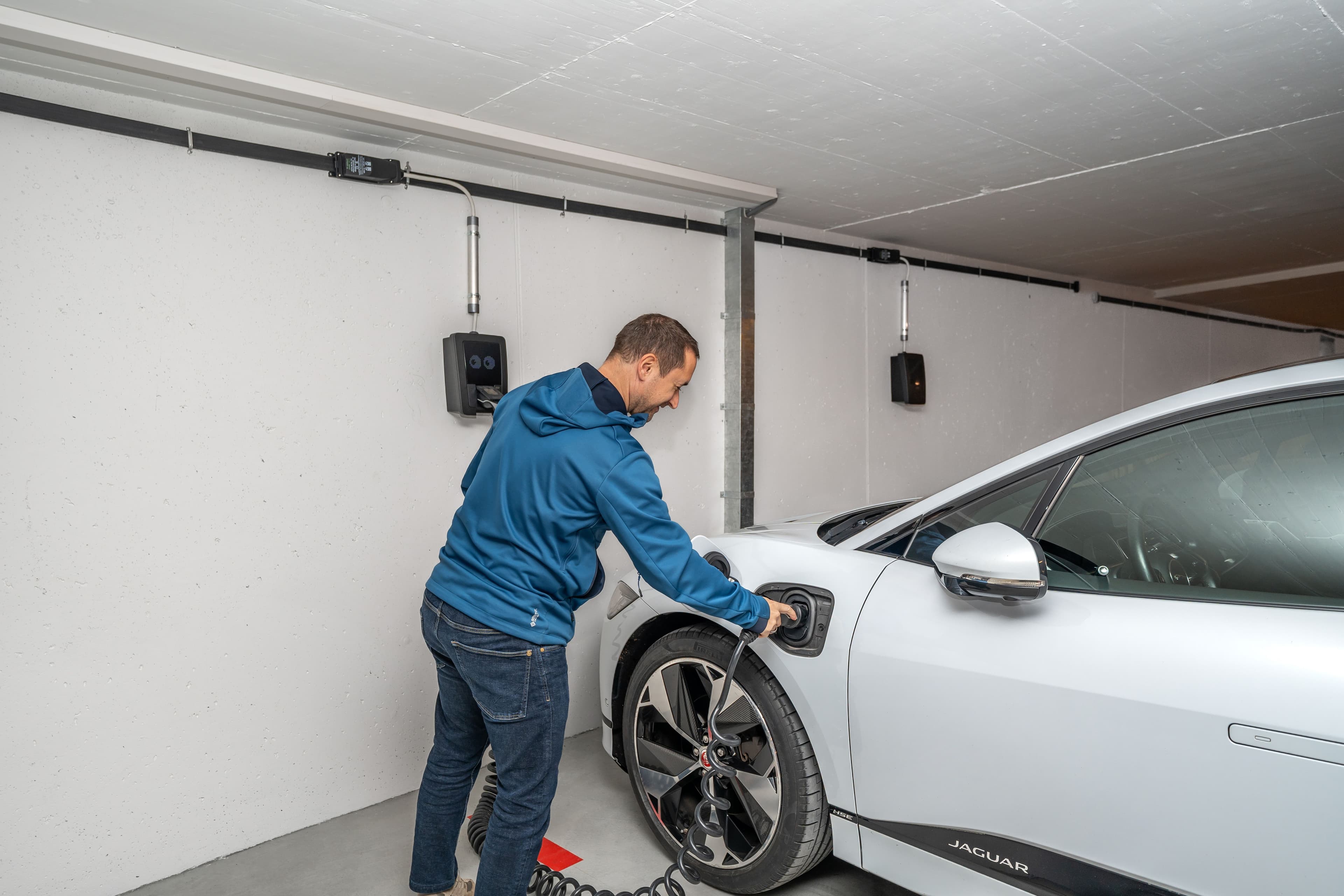
Electric vehicles are becoming a common sight in Kewaskum, WI, and throughout Southeastern Wisconsin. With the convenience of home charging comes the responsibility of ensuring a safe and reliable electrical setup. One of the most disruptive and potentially concerning issues homeowners face is their EV charger repeatedly tripping the circuit breaker. This isn't just an inconvenience; it's a clear signal that there's an underlying electrical problem that requires immediate attention. A tripped breaker is a safety mechanism, preventing damage to your electrical system and reducing fire hazards. Understanding why an EV charger keeps tripping the breaker, whether due to a wiring issue, an overloaded circuit, or a charger malfunction, is crucial for maintaining electrical safety and consistent vehicle charging. Professional diagnosis is essential to identify the root cause and implement a lasting solution.
What is EV Charger Keeps Tripping the Breaker: Wiring, Load, or Charger Failure?
When an EV charger keeps tripping the breaker, it means the circuit is experiencing an electrical fault or drawing more power than it is designed to handle. A circuit breaker's primary function is to protect electrical circuits from damage caused by an overcurrent or short circuit. When it trips, it essentially cuts off power to that circuit to prevent overheating, potential fires, or damage to connected appliances. For EV chargers, this protective action can be triggered by several distinct issues, each requiring a specific diagnostic approach and repair strategy.
The problem could stem from three main categories: wiring issues, a general load problem, or an internal charger failure. Wiring issues might involve loose connections at the breaker, outlet, or within the charger unit, damaged insulation along the electrical lines, or even incorrect wire gauge for the current demanded by the charger. An overloaded circuit occurs when the EV charger, combined with other appliances on the same circuit, attempts to draw more amperage than the breaker is rated for. This can be common in older homes or if the charger was installed without a proper load calculation. Finally, charger failure points to an internal fault within the EV charging unit itself, such as a faulty component or internal short circuit. Accurately diagnosing which of these is causing the breaker to trip is critical for effective and safe repair.
Signs You Need It
Recognizing the signs that your EV charger needs professional attention is vital for preventing further electrical problems and ensuring your home's safety. While a single tripped breaker might be an anomaly, recurring issues or specific symptoms demand immediate investigation.
Frequent Breaker Trips
The most obvious sign is the breaker for your EV charger tripping repeatedly. This might happen immediately upon plugging in the charger, shortly after charging begins, or intermittently during the charging cycle. It indicates a persistent fault or overload that the circuit cannot safely handle. Repeatedly resetting the breaker without addressing the underlying issue can damage the breaker, the wiring, and potentially the EV charger itself, creating a significant safety hazard.
Flickering Lights or Dimming Power
If you notice lights flickering or other electrical devices dimming or struggling when your EV charger is active, it suggests an excessive draw on your home's electrical system. This could point to an overloaded circuit or an issue with the main electrical panel not being able to cope with the demand. This symptom is a strong indicator that a professional electrical load calculation and inspection are necessary.
Burning Smell or Discoloration
Any detection of a burning smell near the electrical panel, the EV charger, or its outlet is a critical warning sign. This smell often indicates overheating wires or components, which could lead to a fire. Similarly, if you observe any scorching, discoloration, or melting around the outlet or charger, power should be disconnected immediately, and an electrician should be called. This is an emergency situation.
Charger Not Operating at Full Capacity
If your EV charger starts the charging process but then stops, or if you notice your vehicle is charging significantly slower than usual after a breaker trip, it could indicate an issue with the charger or the circuit's ability to maintain a consistent power flow. This intermittent or reduced functionality suggests a fault that needs professional diagnosis.
Visible Damage to Wiring or Outlet
Visually inspect the charging cable, the wall outlet, and any exposed wiring for signs of physical damage. This includes frayed wires, cracks in the insulation, loose connections where the charger plugs in, or any signs of charring. Such damage could lead to short circuits or ground faults, causing the breaker to trip as a safety measure. Always avoid touching damaged electrical components and contact a professional immediately.
Work Process
Addressing an EV charger that keeps tripping its breaker involves a systematic and thorough approach to identify and resolve the underlying electrical issue safely and effectively. Here's a typical work process a qualified electrician follows:
Step 1: Initial Assessment and Safety First
The process begins with a comprehensive safety assessment. An electrician will review the reported symptoms, inspect the EV charger, the outlet, and the electrical panel from a safe distance, ensuring no immediate hazards are present. Power will be shut off to the affected circuit before any hands-on work begins.
Step 2: Circuit Breaker and Panel Inspection
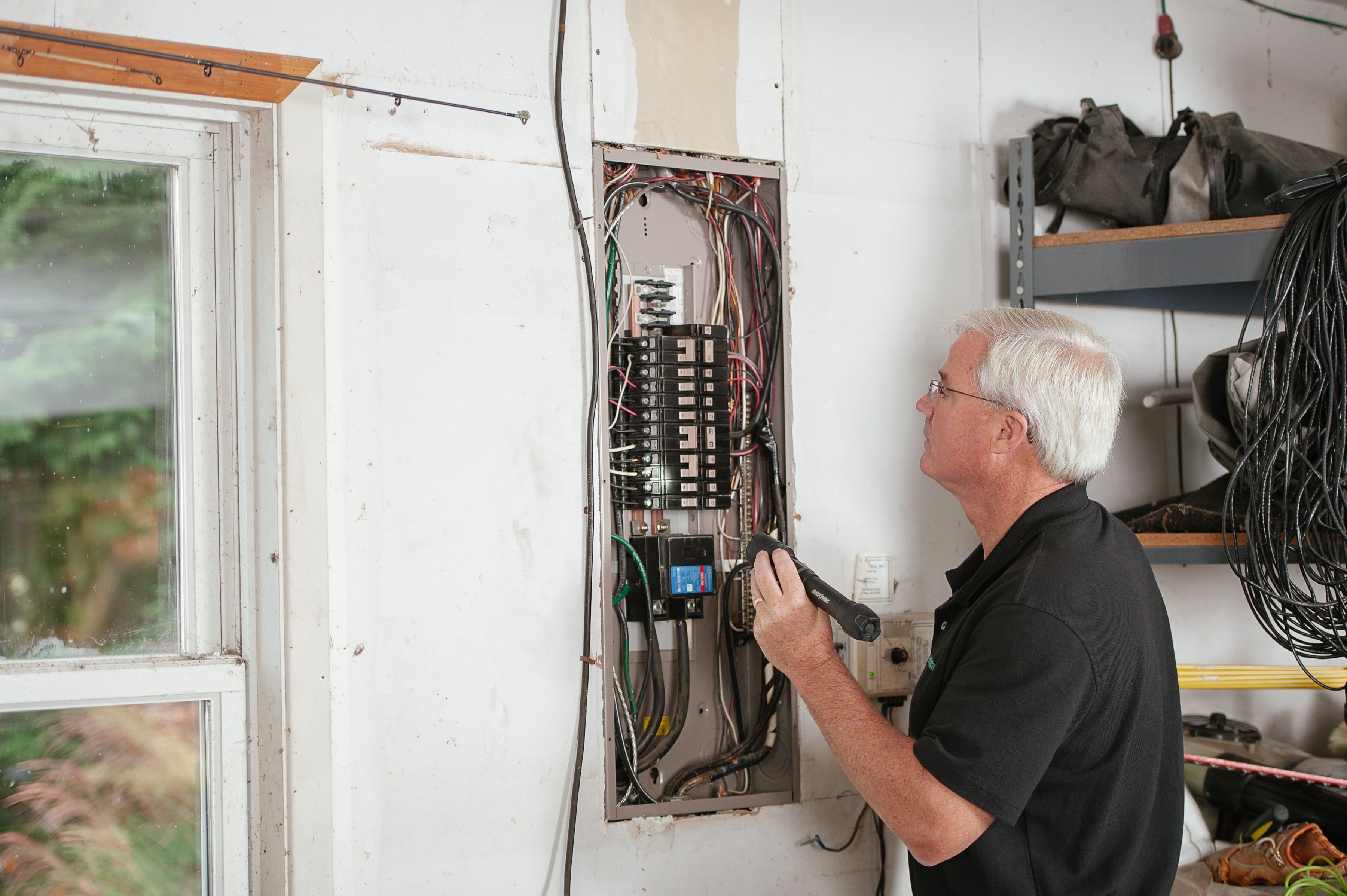
The circuit breaker itself is inspected for proper sizing relative to the EV charger's requirements and for any signs of physical damage or weakness. The electrical panel is also examined for loose connections, corrosion, or other issues that might affect circuit integrity. This step helps rule out a faulty breaker or a problem at the service entrance.
Step 3: Wiring Integrity Check
The wiring from the electrical panel to the EV charger outlet or hardwired connection point is meticulously inspected. This involves checking for correct wire gauge, insulation damage, loose terminals, or improper splices that could lead to resistance, overheating, or short circuits. Special tools may be used to test for continuity and ground faults.
Step 4: Load Calculation and Balance
An electrician will perform a thorough load calculation for your home's electrical system, especially focusing on the circuit dedicated to the EV charger. This determines if the current electrical capacity is sufficient or if the charger, combined with other household loads, is simply drawing too much power, causing an overload. Solutions might include dedicated circuits or panel upgrades.
Step 5: EV Charger Diagnostic Testing
If the wiring and load appear to be correct, the EV charging unit itself is tested for internal faults. This can involve using specialized diagnostic equipment to check the charger's components, internal wiring, and safety features. A faulty internal component within the charger is a common reason for persistent tripping.
Step 6: Repair and Verification
Once the root cause is identified, the necessary repairs are performed. This could range from tightening loose connections, replacing a faulty breaker or damaged wiring, balancing electrical loads, or recommending the repair or replacement of the EV charger unit. After repairs, the system is thoroughly tested under load to ensure the problem is resolved and the EV charger operates safely and efficiently without tripping the breaker.
Service Coverage in Kewaskum, WI & Nearby Areas
Reliable electrical service is essential, especially when dealing with critical systems like EV chargers. Incan Electric is committed to providing prompt and expert electrical solutions for homeowners in Kewaskum, WI, and the surrounding communities. Understanding the unique electrical infrastructures present in Southeastern Wisconsin is a core strength. Our local expertise ensures that all diagnostic and repair work complies with regional electrical codes and standards, providing peace of mind. Rapid response times are a priority for issues like an EV charger keeps tripping the breaker, minimizing downtime and inconvenience. Our service extends beyond Kewaskum, WI, covering nearby areas such as West Bend, Slinger, Jackson, and other communities throughout the region, ensuring comprehensive support for your electrical needs.
Why Choose Incan Electric
Choosing the right electrical contractor for your home is a significant decision. At Incan Electric, we pride ourselves on a steadfast commitment to safety, professionalism, and customer satisfaction. Our team consists of certified and highly experienced electricians who specialize in modern electrical solutions, including advanced EV charging systems. We understand the intricacies of diagnosing complex issues like an EV charger electrical fault or an overloaded circuit, ensuring that every repair is not just a temporary fix but a durable, safe resolution. We utilize the latest diagnostic tools and adhere to the strictest industry standards, guaranteeing the quality and reliability of our work. For dependable service for your EV charger keeps tripping the breaker in Kewaskum, WI, or any other electrical concerns, trust Incan Electric. Reach out to our dedicated team today by calling (262) 235-5444.
FAQ
Is it safe to reset a tripped breaker repeatedly?
No, it is not safe to repeatedly reset a circuit breaker that keeps tripping. A tripping breaker is a critical safety mechanism indicating an underlying electrical problem, such as an overload, short circuit, or ground fault. Continuously resetting it can mask the problem, potentially leading to overheating wires, damage to electrical components, or even a fire. If your car charger keeps tripping, it requires professional diagnosis.
Can I diagnose the problem myself?
Attempting to diagnose complex electrical issues like a main breaker trips with EV charger without proper training and specialized tools is highly dangerous. Incorrect diagnosis or repair can exacerbate the problem, lead to further damage, or cause electrical shock or fire. It is always recommended to consult a qualified electrician for any persistent electrical fault involving high-power appliances like EV chargers. They have the expertise to identify the exact cause, whether it's wiring, load, or charger failure, and perform repairs safely.
What is the difference between a Level 1, 2, and 3 charger regarding breaker trips?
The main difference lies in their power draw and, consequently, their potential to trip a breaker if not properly installed. Level 1 chargers use a standard 120V outlet and draw minimal power (around 12-16 amps), making them less likely to trip a dedicated circuit. Level 2 chargers (240V) draw significantly more power (typically 16-80 amps), requiring a dedicated circuit and a higher-rated breaker, often 40-100 amps. Level 3 (DC Fast) chargers are primarily for commercial use, drawing substantial power that far exceeds residential capabilities. Problems with an EV charger tripping breaker are most commonly associated with Level 2 residential installations where wiring, breaker sizing, or overall electrical load management is insufficient.
Professional Electrical Services for EV Charger Issues in Kewaskum, WI
When your EV charger consistently trips its circuit breaker in Kewaskum, WI, it signals a need for immediate professional attention. Ignoring the problem can lead to serious electrical hazards and prevent you from effectively charging your electric vehicle. Whether the issue is complex wiring problems, an overloaded electrical load, or a faulty charger, expert diagnosis and repair are crucial. For reliable, safe, and efficient solutions to your EV charger keeps tripping the breaker concerns, trust the experienced electricians serving Kewaskum, WI. Contact Incan Electric today for comprehensive electrical services. Call (262) 235-5444 to schedule an inspection and restore your charging capabilities.