In contemporary homes across Southeastern Wisconsin, from the bustling kitchens of Milwaukee to the growing families in Waukesha, reliance on powerful electrical appliances is standard. From advanced kitchen gadgets to efficient laundry machines and new electric vehicle chargers, these devices enhance our daily lives. However, for these appliances to operate safely and at peak performance, your home's electrical system must be properly equipped. This often means having dedicated circuits in place. Understanding the role of dedicated circuits is not just about convenience; it's a fundamental aspect of maintaining household safety, preventing electrical overloads, and ensuring the longevity of your valuable appliances.
This guide from Incan Electric provides clear, practical insights into why these specialized circuits are crucial for the safety and efficiency of your home's electrical infrastructure, especially when navigating the demands of modern living throughout areas like Racine, Kenosha, and beyond.
What is a Dedicated Circuit?
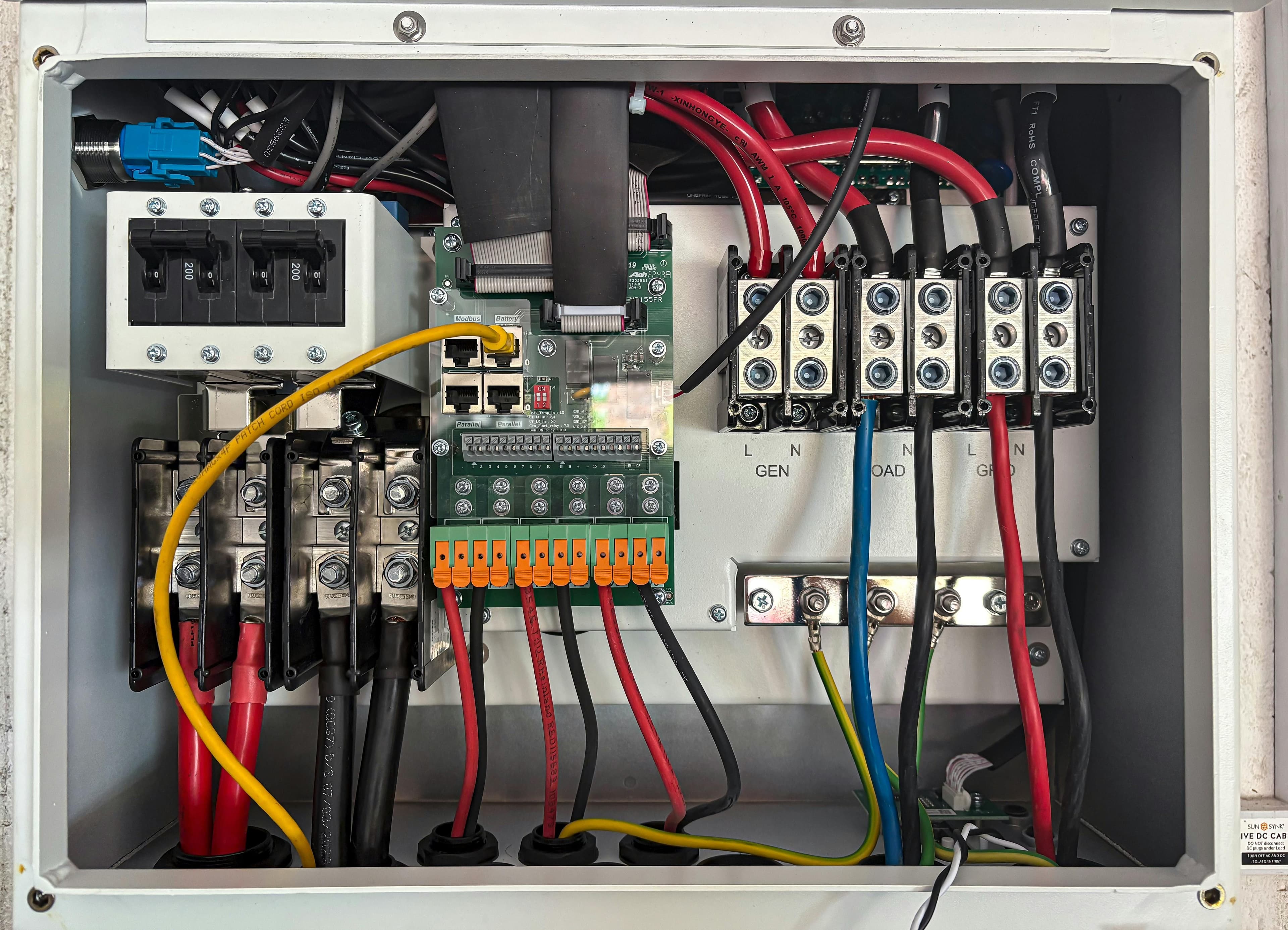
A dedicated circuit is an electrical pathway engineered to serve a single, specific appliance or fixture exclusively. Unlike general-purpose circuits that might power several outlets and lights in a room, a dedicated circuit operates independently. It has its own dedicated circuit breaker within your home's electrical panel and its own wiring that runs directly to a solitary electrical outlet or hardwired appliance.
This direct connection ensures that the appliance receives a consistent and isolated power supply, preventing it from sharing its electrical load with any other device. High-demand appliances, by design, require a significant amount of electrical current. When they operate on a shared circuit, they can draw too much power, leading to potential issues. Dedicated circuits eliminate this competition for power, providing a stable and reliable electrical flow precisely where it's needed.
Signs Your Home Needs Dedicated Circuits
Identifying the need for dedicated circuits often comes down to recognizing specific signals from your home's electrical system. These signs are indicators that an existing circuit is being overloaded or that your home isn't prepared for a new, high-demand appliance. Paying attention to these symptoms is crucial for maintaining safety and preventing potential electrical hazards.
- Frequent Circuit Breaker Trips: If a particular area or a specific appliance consistently causes a circuit breaker to trip, it's a primary indicator that the circuit is overloaded. While breakers are designed to protect against overloads, frequent tripping suggests the circuit is undersized for the collective demand placed upon it.
- Dimming or Flickering Lights: When a high-power appliance, such as a refrigerator or vacuum cleaner, turns on and causes lights on the same circuit to dim or flicker, it signals a temporary voltage drop due to excessive load on a shared circuit.
- Buzzing Sounds or Burning Smells: Any unusual noises, like buzzing from outlets or switches, or the smell of burning plastic or insulation, are serious warnings of an overloaded or damaged circuit that demands immediate professional attention. These indicate excessive heat buildup.
- Warm Outlets or Switch Plates: If an outlet or switch plate feels warm to the touch, it suggests that the wires behind it are overheating due to an excessive electrical load. This is a significant fire risk.
- Appliance Underperformance: Appliances that don't seem to run at their full potential, take longer to heat up, or suffer from premature wear may not be receiving consistent power due to sharing a circuit.
Additionally, if you are installing a new major appliance like an EV charger or an electric range, or if you live in an older home in areas like Milwaukee or Waukesha with electrical systems not originally designed for today's power demands, it's highly probable you will need new dedicated circuits to prevent these issues from arising. Ignoring these signs can lead to serious safety hazards, including electrical fires and appliance damage.
The Dedicated Circuit Installation Process
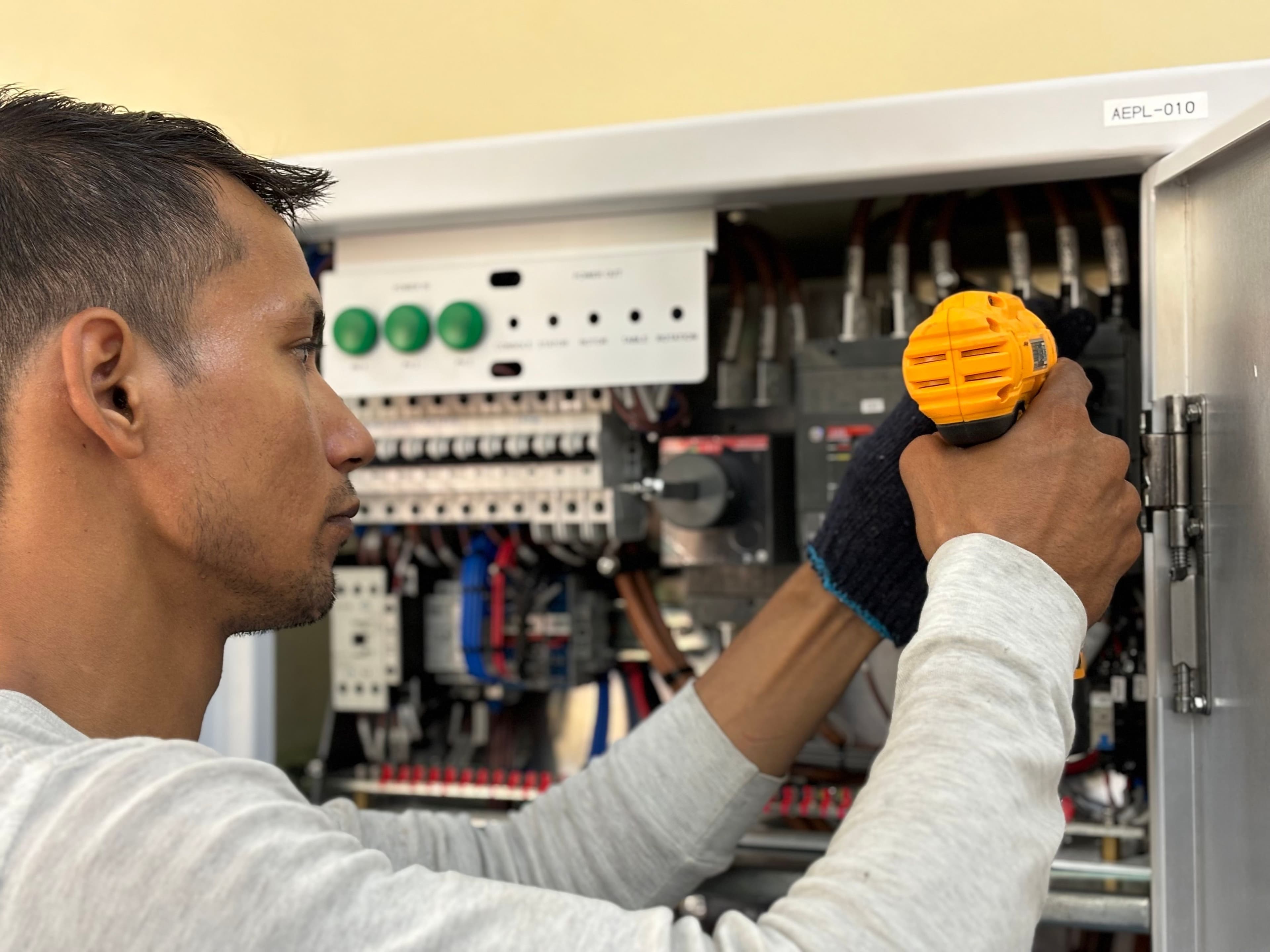
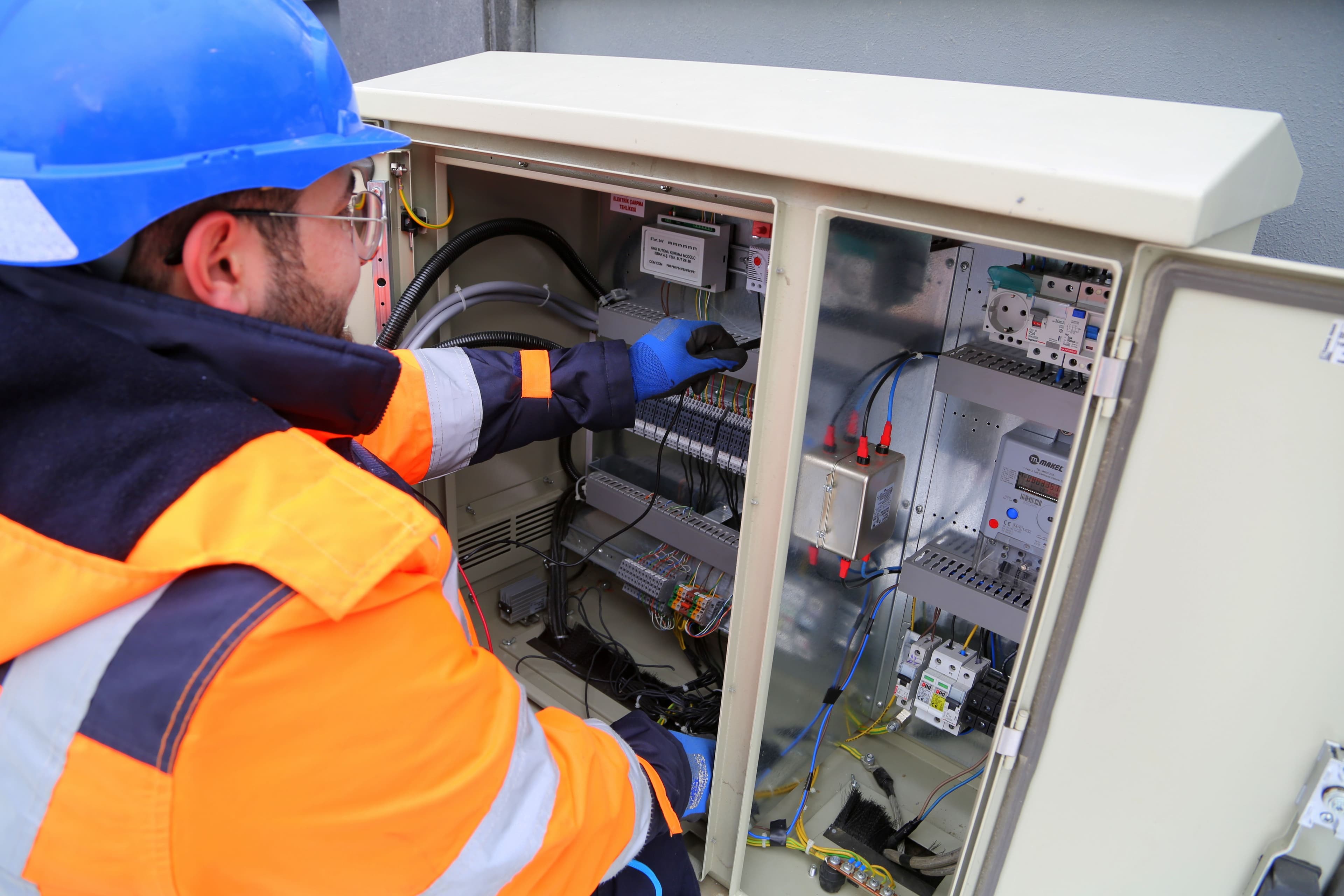
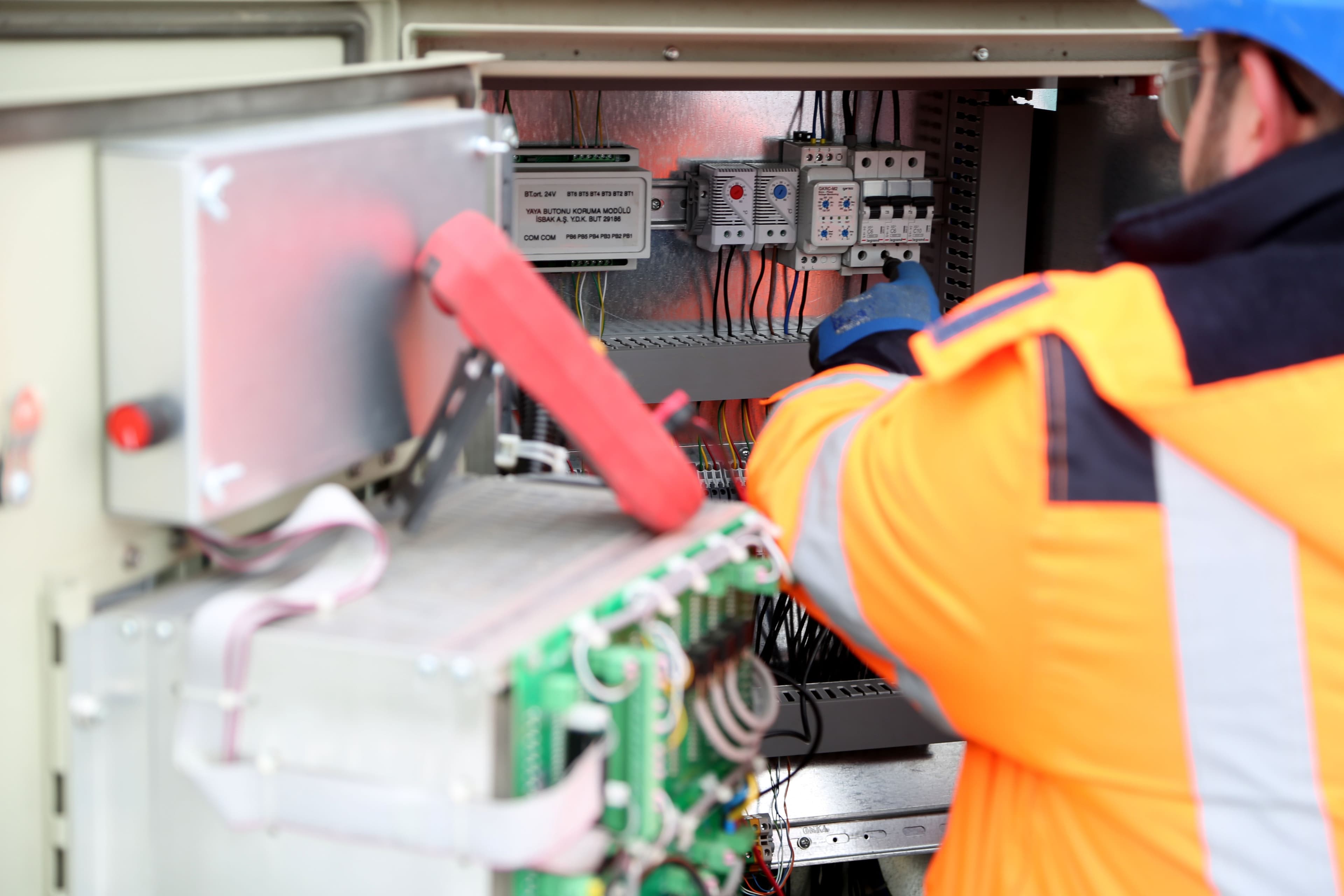
Installing a dedicated circuit is a precise and detailed process that requires professional expertise to ensure safety and compliance with the National Electrical Code (NEC). At Incan Electric, our approach prioritizes thoroughness and precision from start to finish. This is not a task for the inexperienced, as it involves working directly within your home's electrical panel and running new wiring.
- Initial Assessment: Our licensed electricians begin by evaluating your specific needs. This includes identifying the appliance requiring the dedicated circuit, assessing its power requirements (voltage and amperage), and inspecting your existing electrical panel's capacity to accommodate a new breaker.
- Planning and Design: Based on the assessment, we determine the appropriate wire gauge and circuit breaker size for the new circuit. We also plan the most efficient and safe route for the new wiring, minimizing disruption to your home while adhering to all safety standards.
- Wiring and Breaker Installation: The core of the process involves carefully running the new wiring from your electrical panel to the location of the appliance. A new circuit breaker is then installed in your panel, providing the dedicated protection for the circuit. For hardwired appliances, direct connections are made; for plug-in appliances, a new, appropriate receptacle is installed.
- Testing and Verification: After installation, comprehensive testing is performed to ensure the new circuit functions correctly, safely, and delivers the required power. We verify proper grounding, voltage, and amperage.
- Code Compliance: All work is completed in strict accordance with the National Electrical Code and local building regulations, ensuring that your installation is safe, reliable, and passes any necessary inspections.
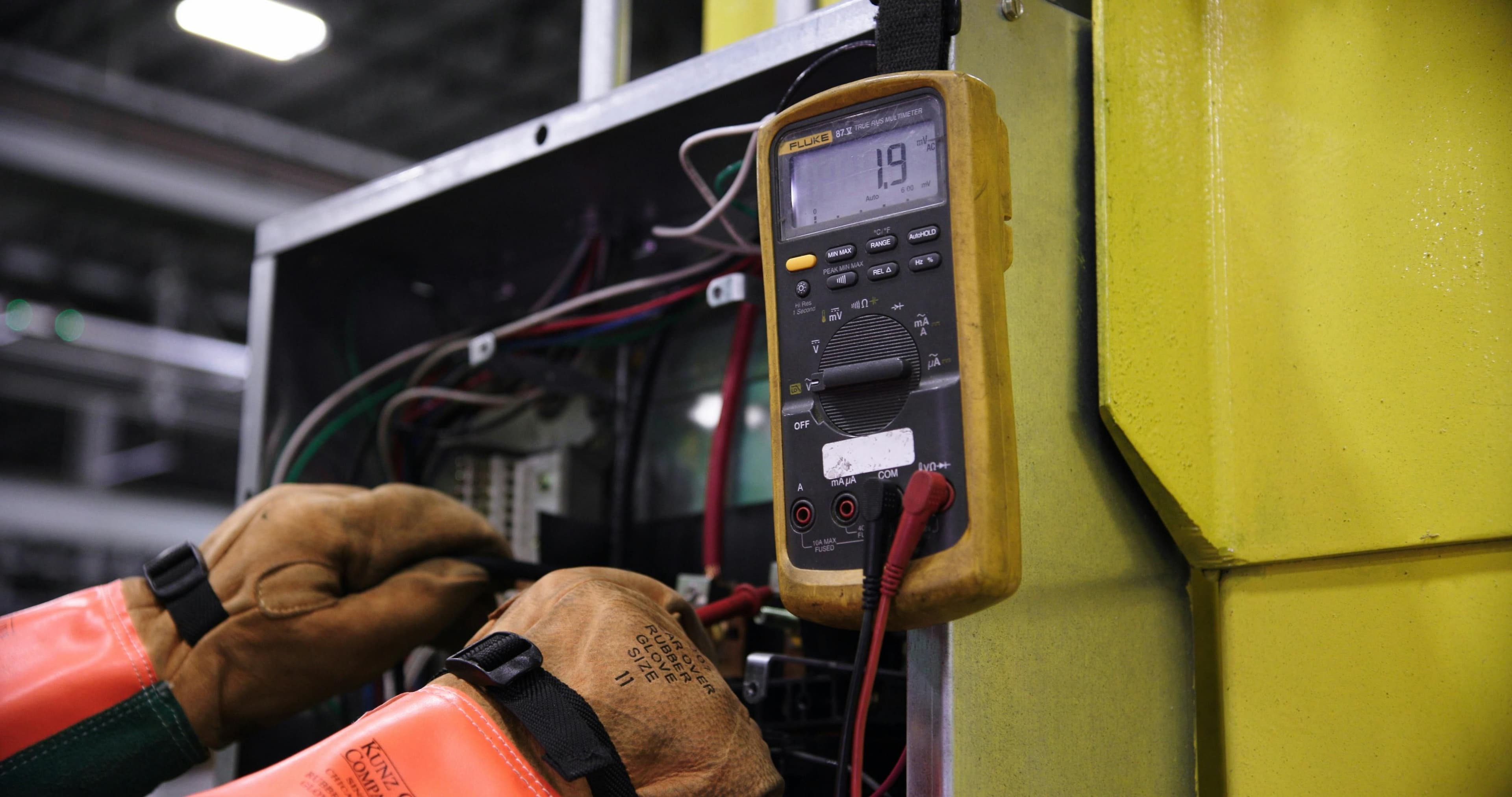
Our commitment at Incan Electric is to provide a seamless, safe, and code-compliant installation, giving you confidence in your home's electrical system.
Cost Considerations for Dedicated Circuits
The cost of installing a dedicated circuit in your Southeastern Wisconsin home can vary significantly based on several factors unique to each situation. It's important to understand these variables, as they directly influence the overall investment required for this essential electrical upgrade.
Key factors include the specific power requirements of the appliance (e.g., a 120-volt garbage disposal versus a 240-volt electric range or EV charger), the distance between your electrical panel and the appliance's location, and the complexity of routing new wiring through walls and ceilings. Additionally, if your existing electrical panel is already full or outdated, a panel upgrade may be necessary before a new circuit can be added, which would be an additional cost. Permitting fees, which ensure local code compliance, are also a standard part of the process.
While providing an exact price without an on-site assessment is not feasible, Incan Electric offers transparent estimates after a thorough evaluation of your home's electrical system and specific needs. Investing in a dedicated circuit is an investment in your home's safety, appliance longevity, and peace of mind, ultimately preventing more costly problems down the line.
Why Choose Incan Electric for Dedicated Circuits
When it comes to the safety and efficiency of your home's electrical system, partnering with a trusted local professional is paramount. Incan Electric has been serving families across Southeastern Wisconsin, including communities like Mequon, Brookfield, and West Bend, with a steadfast commitment to electrical excellence and safety. Our team understands the unique electrical needs and challenges of homes in our region, whether it's an older property needing upgrades or a new construction requiring precise installations.
Choosing Incan Electric means you benefit from licensed, experienced electricians who not only adhere strictly to the National Electrical Code but also bring a meticulous approach to every job. We prioritize clear communication, ensuring you understand the work being done and why it's necessary. Our focus is on providing reliable solutions that protect your family and your property, delivering peace of mind that your powerful appliances are safely and correctly integrated into your home's electrical infrastructure. Trust us to keep your home safely powered.
Frequently Asked Questions About Dedicated Circuits
Which appliances typically require a dedicated circuit?
Many high-wattage appliances, especially those with heating elements or powerful motors, require dedicated circuits. Common examples include electric ranges, ovens, microwave ovens, dishwashers, refrigerators, washing machines, electric dryers (which typically need 240V), central air conditioning units, electric water heaters, sump pumps, hot tubs, EV chargers, and large shop tools in a garage or workshop.
Can I install a dedicated circuit myself?
No, installing a dedicated circuit is a complex electrical task that should only be performed by a licensed and qualified electrician. It involves working inside the main electrical panel, running new wiring, and ensuring compliance with the National Electrical Code (NEC). Attempting a DIY installation can be extremely dangerous, leading to electrical shock, fire hazards, or damage to your home and appliances.
What if my electrical panel is full?
If your electrical panel is full and you need to add a dedicated circuit, you may require a panel upgrade or expansion. This involves replacing the existing panel with a larger one, or adding a subpanel, to accommodate more circuits. An electrician can assess your panel's capacity and recommend the appropriate solution, ensuring your home has sufficient power and protection for all its needs.
What's the difference between a 120V and a 240V dedicated circuit?
Most standard household outlets operate on 120 volts (120V) and are sufficient for many appliances like refrigerators or microwaves. However, larger, higher-power appliances such as electric dryers, ranges, central air conditioners, and EV chargers require 240 volts (240V). These circuits use different wiring and larger breakers to deliver the increased power safely and efficiently.
How long does a dedicated circuit installation typically take?
The duration of a dedicated circuit installation can vary based on complexity, appliance type, and wiring path. A straightforward installation might take a few hours, while more complex projects, especially those requiring significant wiring runs or panel upgrades, could take a full day or more. Incan Electric strives for efficient service with minimal disruption.
Service Area & Contact Incan Electric
Incan Electric is proud to serve homeowners across Southeastern Wisconsin. Our licensed and experienced electricians are ready to assist residents in Milwaukee, Waukesha, Racine, Kenosha, Ozaukee, and Washington counties. Whether you're upgrading appliances, renovating your home, or simply have questions about your electrical system, we are here to provide reliable and safe solutions. We are committed to keeping your home powered efficiently and securely.
When in doubt about your home's electrical needs or if you're considering adding a dedicated circuit, it's always best to consult a trusted professional. Contact Incan Electric today at (262) 235-5444 for expert advice and service. Your family's safety is our highest priority.