
Electrical Panel Burning Smell: What to Do Immediately in Milwaukee & Southeastern Wisconsin
August 18, 2026
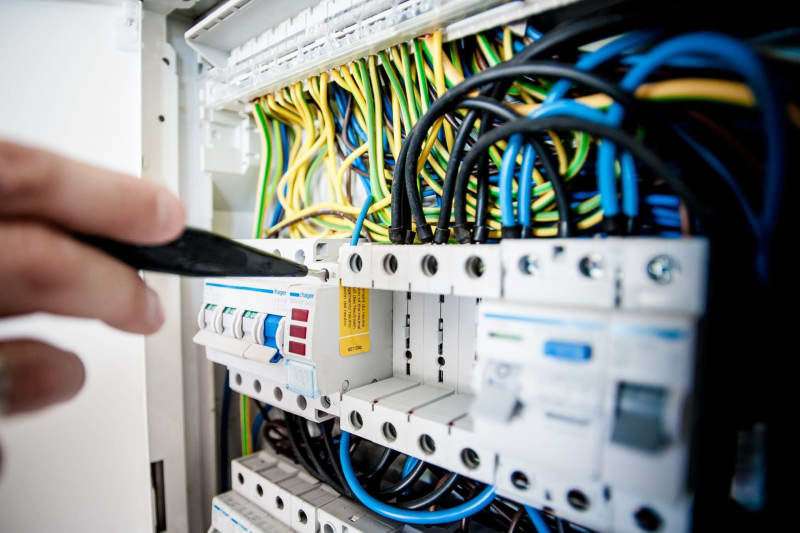
An electrical panel burning smell is an urgent warning of overheating wires, failing breakers, or electrical arcing inside your service box. For homeowners across Milwaukee and southeastern Wisconsin, detecting an odor of burning plastic or melted rubber demands immediate action to prevent house fires and catastrophic property damage. Knowing when to cut main power, evacuate your home, and call a licensed emergency electrician ensures your household stays safe.
What Should You Do Immediately If Your Electrical Panel Smells Like Burning?
When your electrical panel smells like burning, prioritize safety. A burning odor indicates that wire insulation, breaker casings, or busbars have reached dangerous temperatures. Never remove the panel cover, poke inside the cabinet, or troubleshoot live circuits. Electrical fires ignite quickly and release toxic fumes.
- Do not touch the panel enclosure or switches - If a breaker or busbar is shorting, the metal panel cover can carry lethal current or extreme heat.
- Shut off the main breaker only if you can reach it safely - If the main service disconnect is accessible and cool to the touch, switch it off once to de-energize household circuits.
- Evacuate your family and pets from the home - Electrical fires spread rapidly behind basement framing and drywall before visible flames break out.
- Call 911 immediately if you observe active smoke or flames - Alert emergency first responders from a safe location outside your property.
- Contact a licensed emergency electrician for urgent dispatch - Once everyone is safe, call an electrician to diagnose and isolate the underlying failure.
Call (262) 235-5444 or request a callback to have Incan Electric dispatch an emergency electrician to evaluate your service panel.
What Causes an Electrical Panel Burning Smell?
An electrical panel burning smell develops when electrical resistance generates excessive heat inside the cabinet. Standard household current flows through copper conductors, terminal lugs, and breakers with minimal resistance. When a connection loosens, current forces its way across microscopic air gaps, producing concentrated heat that melts nearby insulation, plastic switch bodies, and wire connectors.
Loose electrical terminations represent a primary source of burning smells. Seasonal temperature swings in Wisconsin cause metal conductors to expand and contract, loosening terminal screws. When connections loosen, electrical resistance spikes and scorches the terminal block. Older aluminum wiring from the 1960s and 1970s is especially vulnerable to thermal expansion when connected without dual-rated terminals.
Circuit overloading is another widespread trigger. When modern appliances draw more continuous current than a circuit is designed to carry, conductors overheat along their entire path. While circuit breakers are engineered to trip when current exceeds safe thresholds, aging or defective breakers can fail to trip. Heat then builds unchecked inside the breaker casing, creating a burnt breaker that chars the panel interior.
Obsolete service equipment poses severe fire risks. Many older homes still house outdated panel brands such as Federal Pacific Electric Stab-Lok or Zinsco, which have documented failure rates where breakers seize and fail to disconnect during short circuits. When breakers overheat, professional service panel circuit breaker inspection and repair resolves mechanical failures and eliminates fire hazards.
What Other Warning Signs Accompany a Compromised Electrical Panel?
While a burning odor is often the primary warning, an overheating panel rarely fails without producing other physical symptoms. Recognizing secondary signals allows homeowners to identify electrical distress before insulation ignites. If you detect any of these issues alongside an unusual odor, treat the situation as an urgent electrical hazard.
Visible breaker panel sparks indicate active electrical arcing. Arcing occurs when current jumps between damaged conductors, loose busbar stabs, or corroded clips. Arcing temperatures can exceed several thousand degrees, scorching metal cabinets and vaporizing coatings. Seeing sparks inside or around the service cabinet requires immediate power disconnection.
A breaker hot to touch is another clear indicator of internal trouble. While circuit breakers feel mildly warm under heavy continuous loads, a breaker hot to touch or hot panel cover indicates excessive contact resistance or bi-metallic strip failure. If a breaker switch feels painful to touch or appears warped, the internal switching contacts are breaking down.
Audible buzzing, sizzling, or crackling sounds from the breaker box indicate arcing current or loose mechanical fasteners vibrating at 60 hertz. In addition, persistent light flickering across multiple rooms or outlets showing brown scorching signals fluctuating voltages and compromised panel connections. Ignoring these warning signs allows minor component degradation to evolve into an emergency.
How Urgent Is Panel Damage Compared to Other Symptoms?
Different electrical panel symptoms present varying levels of immediate life-safety risk. Understanding symptom severity helps homeowners decide whether to de-energize their service entrance, evacuate the building, or schedule immediate emergency service. The table below outlines common warning signs, their underlying causes, and appropriate response protocols.
| Electrical Panel Symptom | Underlying Cause | Fire Hazard Level | Immediate Recommended Action |
|---|---|---|---|
| Acrid burning smell (plastic or fishy odor) | Overheated wire insulation, melting breaker casing, or arcing | Critical | Evacuate the property, shut off main disconnect if safe, call an emergency electrician |
| Visible breaker panel sparks | Electrical arcing between breaker clip and busbar or loose terminal | Critical | Do not approach the panel; evacuate immediately and call emergency services or an electrician |
| Breaker hot to touch or discolored | High contact resistance, loose termination, or continuous overload | Severe | Turn off the individual circuit if safely accessible; schedule same-day professional service |
| Burnt breaker or soot on panel deadfront | Carbonized plastic, failed trip mechanism, or melted bus stab | Severe | Leave the circuit de-energized; replace the breaker and inspect the busbar before restoring power |
| Repeatedly tripping breaker on reset | Short circuit, ground fault, or persistent branch circuit overload | Moderate to High | Stop resetting the breaker switch; call a licensed electrician to trace the underlying fault |
| Persistent buzzing or sizzling sound | Loose wire lug, arcing contacts, or failing electromagnetic coil | Moderate to High | De-energize the panel if accessible without risk; schedule an immediate electrical inspection |
Never repeatedly reset a breaker that trips immediately or gives off heat. A breaker trips to protect your home from overheating conductors. Repeated resets force high current through compromised wiring, accelerating thermal damage and increasing in-wall fire risks.
What Does the Emergency Electrical Panel Repair Process Involve?
When an electrician responds to an emergency service call for a burning panel, work proceeds systematically under strict safety protocols. Homeowners facing sudden electrical failures should contact a licensed emergency electrician who can respond quickly to stabilize hazardous conditions and safeguard the structure. The standard diagnostic and repair process follows these sequential steps:
- Safety evaluation and power isolation - We verify thermal conditions and safely cut power, coordinating with We Energies if utility disconnection is needed.
- Cabinet inspection - The electrician removes the panel deadfront to examine busbars, neutral bars, and wiring for heat damage or pitting.
- Fault isolation - Using digital multimeters, we isolate whether the burning stems from a loose lug, an overload, or a failing breaker.
- Component repair or panel upgrade - We replace burnt breakers and conductors, or start an electrical panel upgrade if busbars are damaged.
- Testing and permit inspection - Power is restored safely, circuits are tested under load, and we coordinate local municipal inspection.
During evaluation, an electrician determines whether replacing individual circuit breakers will suffice or if the busbar itself has suffered thermal damage. When electrical arcing pits or burns the copper busbar fingers, replacement breakers cannot seat securely. In those circumstances, installing a new, modern service panel is the only code-compliant way to ensure permanent safety.
Where Do We Repair Burning Electrical Panels in Southeastern Wisconsin?
Incan Electric serves residential and commercial property owners across six southeastern Wisconsin counties: Milwaukee, Waukesha, Racine, Kenosha, Ozaukee, and Washington. Our team delivers rapid service from experienced Milwaukee electricians who understand regional architecture, housing stock, and Midwest weather extremes.
Housing eras across southeastern Wisconsin vary widely, directly impacting panel safety. Historic 1920s bungalows in Milwaukee, duplexes in West Allis, and mid-century ranches in Elm Grove and Big Bend often operate on original 60-amp or 100-amp panels. Modern air conditioners and electric space heaters push these vintage systems past safe operating thresholds, causing hot breakers and burning odors.
Sub-zero winter temperatures drive heavy continuous heating loads that expose loose electrical terminations, while summer thunderstorms can snap tree branches and rip service masts from exterior walls. All repairs comply with the Wisconsin DSPS electrical program, which enforces the SPS 316 electrical code based on the 2023 NFPA 70 National Electrical Code with Wisconsin amendments from September 1, 2026. Incan Electric pulls municipal permits and meets local building inspectors for all permitted work.
Our real job history across southeastern Wisconsin reflects extensive hands-on experience in every community:
- Emergency mast and service rebuilds - Eagle, Kenosha, Union Grove, Burlington, Brookfield, West Allis, Wauwatosa, Menomonee Falls.
- Panel and service upgrades - Racine, West Allis, Milwaukee, South Milwaukee, Oak Creek, Waukesha (mobile home subpanel).
- EV charger installations - Kenosha, Bristol, Milwaukee, West Allis, Saukville.
- Rewiring projects - Mequon (knob and tube), West Allis duplex, Milwaukee (triplex service rebuild).
- Commercial electrical projects - Milwaukee flood rehab, Kenosha dental clinic, Pewaukee office, West Milwaukee lumberyard LED poles, Wauwatosa restaurant and bank heaters, Brookfield light poles, Salem Lakes 480V.
- Generators and interlock systems - Belgium (standby), Kenosha, Union Grove, Muskego.
- Lighting and inspections - Kenosha, Racine, Milwaukee, Wauwatosa, Bristol, Bayside, West Allis.
Whether responding to breaker panel sparks in Elm Grove, an overheating breaker in Big Bend, or an electrical panel burning smell in Milwaukee, Incan Electric delivers dependable local service. Because equipment condition differs in every home, project costs vary. We quote after one visit so homeowners know the exact scope before work starts.
Frequently Asked Questions
What does it mean if a circuit breaker is hot to touch?
A circuit breaker that feels hot to the touch indicates excessive electrical resistance, a loose wire termination, or an overloaded circuit drawing power beyond its continuous rating. While a mild warmth can occur under normal operating loads, noticeable heat or plastic discoloration signals that terminal screws have loosened or internal contacts are degrading. You should turn off the affected circuit and call an electrician before heat damages the panel busbar.
Can an electrical panel burning smell go away on its own?
An electrical panel burning smell will not resolve on its own, even if the odor temporarily fades after power demand drops. A fading smell usually means the overloaded appliance stopped cycling, but the damaged insulation, loose connection, or melted breaker casing remains compromised. The next time electrical load spikes, the damaged connection will overheat again, increasing your risk of an electrical fire until a licensed professional repairs the underlying fault.
What should you do if you see breaker panel sparks?
If you see breaker panel sparks, treat the situation as an immediate fire hazard. Step back from the service enclosure immediately and do not touch metal switches or cabinet doors. If you can reach the main shutoff switch without approaching the sparking area, switch it off; otherwise, evacuate the property and call emergency services or a licensed electrician. Electrical arcing can ignite surrounding construction materials within seconds.
Will your entire electrical panel need replacement after a burnt breaker?
Not every burnt breaker requires a full electrical panel replacement. If damage is isolated to a single breaker and the copper busbar underneath remains undamaged, replacing the breaker and trimming damaged wire conductors may solve the issue. However, if heat has melted the busbar coating, warped the cabinet, or occurred in an obsolete brand such as Federal Pacific or Zinsco, a complete panel upgrade is necessary for safety.
Ready to Have Your Electrical Panel Inspected by Licensed Professionals?
Detecting a burning smell or scorching inside your electrical panel demands immediate professional evaluation. Operating with 5+ years of licensed electrical experience across southeastern Wisconsin, Incan Electric provides prompt emergency service, thorough diagnostic inspections, and fully permitted repairs in compliance with SPS 316. Our electricians arrive fully equipped to isolate hazardous faults, restore electrical integrity, and protect your home and family from fire risks.
Call (262) 235-5444 or schedule an emergency electrical inspection with Incan Electric to protect your home today.