
Electrical Safety Inspection Milwaukee: What Homeowners Must Know
June 23, 2026
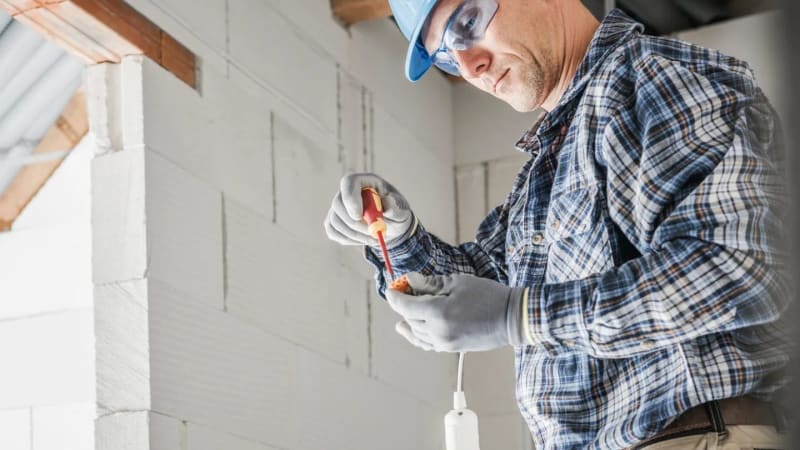
An electrical safety inspection in Milwaukee is an in-depth evaluation of a property's wiring, service panel, and safety devices conducted by a licensed electrician. For homeowners and commercial property owners across Milwaukee and southeastern Wisconsin, a comprehensive assessment identifies hidden fire hazards, checks grounding integrity, and confirms compliance with state and local electrical codes. Here is what to expect during an inspection and when to book one.
When Should You Schedule an Electrical Safety Inspection in Milwaukee?
Understanding when to get an inspection helps property owners resolve hidden electrical hazards before they trigger dangerous power failures or house fires. While modern electrical panels quietly handle daily demands, older components slowly degrade under continuous household loads.
A professional evaluation is vital during major property milestones and whenever an electrical system exhibits signs of stress. Key situations requiring an assessment include:
- Buying an older home or duplex - A pre-purchase electrical inspection uncovers ungrounded outlets, obsolete service equipment, and hidden wiring defects before closing on a property.
- Persistent circuit breaker tripping - Frequent breaker trips indicate an overloaded branch circuit, a failing breaker, or an unresolved short circuit that requires professional diagnosis.
- Flickering or dimming lights - Lights that dim whenever a refrigerator, furnace blower, or air conditioner kicks on point to loose panel connections or an undersized electrical service.
- Discolored outlets or warm wall plates - Scorch marks, burning plastic odors, or warm receptacle surfaces signal severe resistance and overheating behind the wall.
- Adding high-demand modern appliances - Installing central air conditioning, an EV charger, or a hot tub requires confirming that your electrical service has sufficient capacity to handle the increased load.
- Outdated wiring materials or obsolete panels - Homes equipped with vintage knob-and-tube wiring, ungrounded branch circuits, or obsolete panel brands warrant a dedicated safety evaluation.
If you observe active arcing, sparks, visible smoke, or a burning odor coming from a panel or outlet, treat it as an emergency. Shut off the main breaker immediately if you can do so safely, and contact a licensed professional right away. Never touch electrical equipment that feels hot or shows visible heat damage.
Call (262) 235-5444 or request a callback to have Incan Electric perform a thorough electrical safety inspection on your property.
What Does a Home Electrical Inspection Cover?
A thorough home electrical inspection examines your entire electrical system from the exterior utility connection down to every accessible interior receptacle. Rather than simply confirming that light switches turn fixtures on, a licensed electrician verifies that each component operates safely, handles current loads, and complies with safety standards.
During the assessment, an electrician follows a comprehensive electrical inspection checklist to evaluate every critical subsystem:
- Service entrance and meter base - The inspector checks the exterior overhead mast or underground lateral, weatherhead, meter enclosure, and utility grounding connections for corrosion, weather damage, and physical wear.
- Main electrical panel and subpanels - The cover is removed to inspect main breaker sizing, branch breakers, busbars, wiring terminations, neutral and ground bar separation, and signs of overheating or double-tapping.
- Branch circuit wiring - Accessible wiring in basements, crawlspaces, and attics is reviewed to identify wiring types, deteriorated insulation, open junction boxes, and ungrounded circuits.
- Receptacles and switches - Outlets are tested with diagnostic equipment to confirm correct polarity, grounding continuity, and mechanical tension.
- Life-safety protection devices - Ground-Fault Circuit Interrupters (GFCIs) and Arc-Fault Circuit Interrupters (AFCIs) are tested to ensure they trip within designated safety tolerances.
- Surge-protective devices - The electrician checks whether the service includes whole-home surge suppression compliant with modern standards.
For commercial buildings, warehouses, and retail properties, facility operators require a tailored approach. A commercial electrical safety inspection and maintenance service examines three-phase distribution gear, step-down transformers, commercial lighting circuits, emergency exit signs, and dedicated equipment disconnects to safeguard employees, customers, and business operations.
What Are the Most Common Electrical Hazards in Southeastern Wisconsin?
Many homes across southeastern Wisconsin were built during eras with distinct construction methods, ranging from 1920s craftsman bungalows and two-family duplexes to post-war ranches from the 1950s and 1960s. These older residences were originally designed to support modest electrical loads—typically lighting, a radio, and a refrigerator—powered through 60-amp or 100-amp service panels.
Today, households plug in computers, entertainment centers, microwaves, high-efficiency heating systems, and multiple mobile devices. Subjecting vintage wiring and undersized panels to modern electrical loads creates friction, heat, and safety hazards behind walls and inside utility rooms.
The following table outlines common electrical warning signs, their underlying causes, urgency levels, and recommended actions:
| Warning Sign or Defect | Likely Underlying Cause | Urgency Level | Recommended Next Step |
|---|---|---|---|
| Burning plastic odor or scorch marks | Loose wire termination, arcing connection, or failing device | Immediate emergency | Shut off the circuit breaker if safe; call an electrician immediately |
| Breakers tripping repeatedly | Overloaded branch circuit, ground fault, or failing breaker mechanism | High | Disconnect appliances on that circuit and book a safety inspection |
| Flickering or dimming lights | Loose neutral wire, voltage drop, or undersized service capacity | Moderate | Have panel busbars and service capacity evaluated by a professional |
| Two-prong ungrounded outlets | Vintage two-wire branch circuits lacking an equipment grounding conductor | Moderate | Inspect wiring to plan grounded outlet or GFCI upgrade paths |
| Obsolete panel (Federal Pacific / Zinsco) | Known manufacturing defects where breakers fail to trip under sustained overload | High | Schedule an inspection to evaluate an electrical service upgrade |
| Unprotected knob-and-tube wiring | Degraded cloth insulation, lack of grounding, or contact with thermal insulation | Moderate to High | Inspect attic and basement runs to verify insulation condition and safety |
Identifying these conditions early prevents minor equipment wear from escalating into structural damage or unexpected power disruptions.
How Does the Incan Electric Inspection Process Work?
When you schedule an inspection, our licensed electricians follow a methodical, code-based procedure designed to provide an objective assessment of your property. We evaluate both visible fixtures and concealed service equipment, testing components under normal operating conditions.
Our step-by-step evaluation follows a clear sequence:
- Consultation and history review - We review property age and known electrical issues to set priorities.
- Service entrance evaluation - The electrician checks the mast, meter base, and grounding electrodes for damage.
- Panel diagnostics - We remove dead-front covers to inspect breaker ratings, busbars, and bonding connections.
- Device and circuit testing - Using calibrated testers, we evaluate receptacles for polarity, grounding, and GFCI response.
- Attic and basement wiring check - We examine accessible wiring runs to identify knob-and-tube or damaged insulation.
- Detailed report and recommendations - We deliver a written summary prioritizing safety hazards and quoting repairs after our visit.
This systematic approach ensures no critical safety hazard is overlooked, giving you actionable information about your electrical infrastructure.
Where Do We Do This Work in Southeastern Wisconsin?
Incan Electric serves residential and commercial property owners across six southeastern Wisconsin counties: Milwaukee, Waukesha, Racine, Kenosha, Ozaukee, and Washington. From historic neighborhoods in Milwaukee and West Allis to growing communities in Waukesha, Brookfield, and Kenosha, local electrical systems must withstand severe weather, freeze-thaw cycles, and heavy seasonal electrical demand.
Harsh Wisconsin winters and severe summer storms off Lake Michigan regularly challenge exterior electrical equipment. When heavy ice or high winds tear down overhead service lines, our electricians perform emergency service mast rebuilds in communities like Eagle, Kenosha, Union Grove, Burlington, Brookfield, West Allis, Wauwatosa, and Menomonee Falls. For service changes and emergency mast repairs, we coordinate directly with We Energies for utility disconnects and reconnections.
Older housing stock across the region frequently requires electrical updates to keep pace with modern safety codes. In older Milwaukee bungalows and West Allis duplexes, we frequently inspect vintage wiring, complete whole-building rewiring projects (including complex triplex service rebuilds), and replace outdated knob-and-tube wiring in historic Mequon homes. We regularly complete electrical panel and service upgrades in Racine, West Allis, Milwaukee, South Milwaukee, Oak Creek, and Waukesha, where we have also addressed mobile home subpanel installations.
As local homeowners adopt modern technology, our safety evaluations support dedicated installations. We perform safety inspections alongside EV charger installations in Kenosha, Bristol, Milwaukee, West Allis, and Saukville, and inspect electrical transfer switches and interlocks for backup generators in Muskego, Union Grove, Kenosha, and Belgium. Our residential inspections also evaluate pool bonding conductors, dedicated appliance circuits, and indoor lighting throughout Bayside, Bristol, Milwaukee, Wauwatosa, Racine, West Allis, and Kenosha.
Commercial and industrial facilities across the region have distinct inspection requirements. Our commercial safety inspections and electrical maintenance work include Milwaukee flood rehab projects, dental clinics in Kenosha, professional offices in Pewaukee, restaurant and bank heating equipment in Wauwatosa, exterior light poles in Brookfield, lumberyard LED poles in West Milwaukee, and 480-volt industrial services in Salem Lakes.
Electrical work in Wisconsin falls under state regulatory oversight. The Wisconsin DSPS electrical program enforces SPS 316, based on the 2023 edition of NFPA 70 (National Electrical Code) with Wisconsin-specific amendments. Whenever repairs or panel replacements are required following an inspection, Incan Electric pulls the required municipal electrical permit and meets the local building inspector on-site for final sign-off, ensuring your property is fully protected and compliant.
Frequently Asked Questions
What is the difference between an electrical safety inspection and a general home inspection?
A general home inspection provides a broad overview of a property, touching briefly on roofing, plumbing, structural framing, and visible wiring. In contrast, an electrical safety inspection is performed by a licensed electrician who opens service panels, tests branch circuit loads, evaluates grounding electrode resistance, and inspects safety devices like GFCIs and AFCIs. An electrician identifies hidden hazards and code deficiencies that general home inspectors typically cannot evaluate.
How long does an electrical safety inspection take?
The duration of an inspection depends on the size of the building, its age, and the complexity of the electrical system. A typical single-family home or duplex assessment generally takes between one and two hours to complete thoroughly. Larger historic homes with multiple subpanels, complex wiring additions, or commercial facilities require additional time to test circuits, examine distribution equipment, and complete diagnostic evaluations.
Is an electrical safety inspection required before buying or selling a home in Wisconsin?
An electrical safety inspection is not legally required by Wisconsin state law to complete a real estate sale, but lenders and buyers frequently request one. When purchasing older homes in southeastern Wisconsin, a pre-purchase electrical inspection provides documented clarity regarding system capacity, hazardous panels, or deteriorating wiring. For sellers, scheduling an inspection before listing helps resolve safety hazards early, preventing transaction delays or last-minute renegotiations during closing.
What happens if the inspection reveals electrical code violations or safety hazards?
If an inspection identifies safety issues or code violations, our electrician provides a clear, written report that prioritizes findings by urgency. Immediate hazards, such as scorched panels or exposed live conductors, are highlighted for prompt repair. We explain each issue in straightforward language, answer your questions, and quote any necessary corrective repairs after our visit, allowing you to make informed decisions for your property.
Ready to Schedule Your Milwaukee Electrical Safety Inspection?
Maintaining a secure and dependable electrical system protects your home, family, and investments from avoidable electrical fires and equipment failures. Our team of licensed Milwaukee electricians brings 5+ years of hands-on experience to every inspection across Milwaukee, Waukesha, Racine, Kenosha, Ozaukee, and Washington counties. We deliver objective evaluations, pull all required municipal permits, and coordinate seamlessly with We Energies whenever service equipment upgrades are necessary.
Call Incan Electric at (262) 235-5444 or contact us online to schedule your electrical safety inspection today.