
Electric Heater Repair and Installation: Milwaukee & Southeastern Wisconsin Guide
November 4, 2026
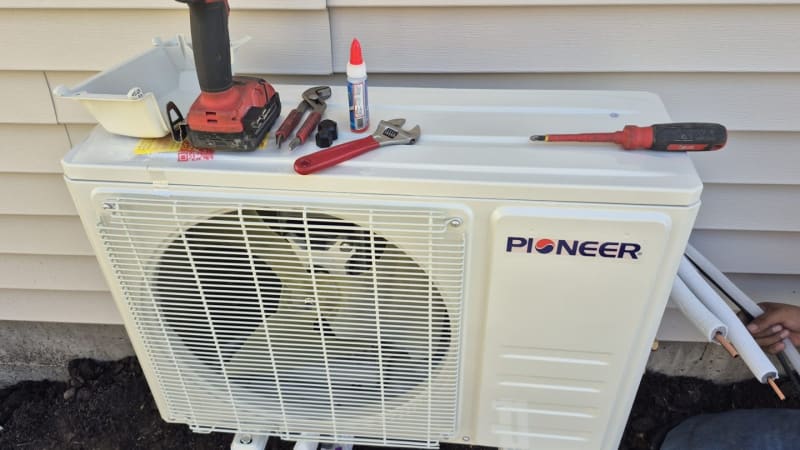
Electric heater repair and installation provides safe, supplemental, or primary heating for homes and commercial spaces across Milwaukee and southeastern Wisconsin. When an electric baseboard or wall heater fails to warm a room, trips a circuit breaker, or requires a dedicated circuit, licensed electricians troubleshoot faulty heating elements, replace line-voltage thermostats, and run code-compliant wiring. Incan Electric repairs existing heating units and installs modern electric heaters tailored to Wisconsin winter demands.
Why Is Your Electric Heater Not Working?
When winter temperatures drop in southeastern Wisconsin, an electric heater not working creates cold rooms and safety concerns. Electric heating units rely on continuous electrical current flowing through resistive heating elements. Because these systems draw substantial power during freezing weather, internal switches, wiring connections, and heating elements experience significant thermal wear over time.
A malfunction typically stems from power supply interruptions, failing internal controls, or element degradation. Watch for these common warning signs that require professional electrical service:
- Tripped circuit breaker or blown fuse - An electric heater that repeatedly trips a breaker indicates an overloaded branch circuit, an internal short circuit, or a grounded heating element.
- Complete lack of heat output - When the fan runs or the power light glows but no heat radiates from the unit, the internal element or high-limit safety switch has likely failed.
- Intermittent heating or short-cycling - A heater that rapidly cycles on and off without reaching set temperatures often suffers from a failing thermostat or restricted airflow.
- Unusual buzzing, rattling, or clicking sounds - Loud humming or clicking points to a failing line-voltage relay or loose wiring, while rattling indicates a worn blower motor.
- Persistent burning odor or scorched casing - While autumn startup dust produces a temporary odor, an acrid chemical smell signals overheating wire insulation or loose terminal connections.
When Do You Need Electric Heater Repair and Installation Services?
Deciding between repairing an existing electric heater and scheduling a new installation depends on equipment condition, the nature of the electrical failure, and existing branch circuit wiring. In many homes, an electrician can resolve heating issues promptly by replacing a faulty line-voltage wall thermostat, tightening loose terminal connections, or swapping out a damaged thermal cutoff. When the physical heater housing is intact and the branch wiring remains sound, component repairs provide a practical solution.
Replacement is the safer and more reliable choice when heating elements show severe corrosion, when the physical enclosure exhibits heat warping, or when wiring insulation has turned brittle from years of thermal cycling. Older electric baseboards and wall units also lack the integrated thermal cutoffs and quiet airflow engineering found in modern equipment.
If your home has undergone room remodeling or an electrical service upgrade, installing modern electric heaters ensures heating output matches room dimensions. Modern wall units offer improved heat distribution, quieter operation, and compact profiles that fit finished basements, home additions, and drafty bedrooms.
Electric Heater Troubleshooting Guide: Symptoms and Safe Actions
When an electric heater malfunctions, distinguishing between a minor setting issue and a hazardous electrical fault protects your home from electrical fires. Always exercise caution around high-voltage equipment and never dismantle energized electrical compartments.
The following guide outlines common electric heater symptoms, their probable causes, urgency levels, and recommended actions:
| Symptom | Likely Cause | Urgency Level | Recommended Action |
|---|---|---|---|
| No heat output, fan does not run | Tripped circuit breaker or defective wall thermostat | Moderate | Check the breaker panel once; if not tripped, schedule electrical testing for thermostat and circuit continuity. |
| Breaker trips immediately upon turning heater on | Direct short circuit or grounded heating element | High | Leave the breaker switched off; do not reset repeatedly; call a licensed electrician to diagnose the fault. |
| Persistent burning smell or visible scorching | Overheating conductor terminations or melting wire insulation | Immediate | Turn off the circuit breaker immediately; do not use the heater; call for emergency electrical evaluation. |
| Continuous clicking, buzzing, or humming | Failing mechanical relay or loose wire nut | Moderate | Switch off the unit at the thermostat; schedule inspection before internal electrical contacts arc. |
| Room never reaches temperature, heater runs continuously | Undersized heater wattage or failing heating element | Low to Moderate | Ensure furniture clears the unit; have an electrician verify circuit voltage and element resistance. |
Safety comes first with high-voltage heating equipment. If you notice smoke, sparks, scorched baseboard covers, or hot wall surfaces around your heater, shut off power at the main electrical panel immediately. Repeatedly resetting a tripping breaker can cause dangerous heat buildup inside branch circuit conductors behind your walls.
Call (262) 235-5444 or request a callback to have Incan Electric inspect, troubleshoot, or replace malfunctioning electric heaters in your home.
Why Does an Electric Heater Need a Dedicated Heater Circuit?
Under the National Electrical Code, fixed electric space heaters are classified as continuous electrical loads because they run for three hours or longer during cold weather. Because continuous loads generate sustained heat within wiring and circuit breakers, electrical standards mandate that branch circuits must be sized so the continuous load does not exceed eighty percent of the circuit's rated capacity. Installing an electric heater requires a dedicated heater circuit that runs directly from your main panel to the heating unit without sharing power with outlets, lighting fixtures, or appliances.
Plugging a portable space heater into an existing convenience receptacle or tapping a fixed wall heater into a general lighting circuit frequently causes nuisance breaker trips. Running high-wattage heating equipment on general-use circuits can overheat older conductors, splice points, and receptacle terminals within wall cavities. Running a dedicated branch circuit ensures conductor gauge and breaker ratings are properly matched to the heater's electrical load.
Many fixed electric heaters operate on 240-volt circuits, while smaller supplementary units use 120-volt lines. A 240-volt circuit supplies twice the electrical pressure, allowing the heater to produce substantially more heating wattage while drawing less current compared to a 120-volt supply. If your electrical panel is full or relies on outdated fuse technology, our electricians can install a service panel circuit breaker upgrade or subpanel to supply the necessary capacity safely.
How Do Electricians Install and Wire Electric Heaters?
Professional electric heater installation requires strict compliance with the Wisconsin DSPS electrical program, which enforces the Wisconsin SPS 316 electrical code based on the 2023 NEC with state amendments. Proper baseboard heater wiring and wall heater installation involve precise load calculations, dedicated cable routing, safe grounding connections, and accurate thermostat integration.
Licensed electricians follow a systematic installation sequence to ensure safety and long-term heating dependability:
- Load assessment and circuit planning - We evaluate room dimensions, calculate necessary heating wattage, and verify service panel capacity.
- Municipal electrical permitting - Incan Electric files and pulls the required electrical permit with your local municipal building inspection department.
- Dedicated circuit wiring - Electricians run code-compliant NM-B cable or metal conduit from the panel directly to the heater and thermostat locations.
- Unit mounting and termination - We securely mount baseboard or wall enclosures, make grounding connections, and wire the heating elements to code.
- System testing and inspection - We verify supply voltage, test thermal safety cutoffs, measure operating current, and meet the municipal inspector for sign-off.
Control wiring is another essential element of any heating project. Most electric baseboard and wall heaters utilize line-voltage thermostats that handle full circuit power directly, rather than the low-voltage wiring common in central forced-air furnaces. Upgrading to a digital or smart thermostat installation designed for line-voltage equipment allows you to establish automated heating schedules, manage individual room temperatures efficiently, and monitor energy usage from your smartphone.
Where Do We Provide Electric Heater Services in Southeastern Wisconsin?
Reliable heating is essential throughout southeastern Wisconsin, where prolonged winter freezes, sub-zero wind chills off Lake Michigan, and heavy snowstorms place intense demands on heating systems. Electric heaters serve as indispensable primary or supplemental heat sources in finished basements, converted attics, home additions, four-season sunrooms, and workshops where extending central furnace ductwork is impractical or cost-prohibitive.
The region's diverse housing stock presents unique electrical heating challenges. Historic bungalows in Milwaukee, classic two-family duplexes in West Allis, and mid-century homes in Waukesha and Greenfield often feature older electrical systems. Many properties still operate with older 60-amp or 100-amp electrical panels or legacy wiring that cannot safely accommodate modern heating loads without dedicated circuit additions or service panel modernizations.
Incan Electric provides comprehensive residential and commercial electrical services across Milwaukee, Waukesha, Racine, Kenosha, Ozaukee, and Washington counties. Our commercial project experience includes installing and servicing supplemental entrance and zone heaters for restaurants and banks in Wauwatosa, medical clinic electrical systems in Kenosha, office buildouts in Pewaukee, and industrial facilities in Salem Lakes and West Milwaukee.
On the residential side, our electricians regularly complete panel upgrades and service modernizations in Racine, West Allis, Milwaukee, South Milwaukee, Oak Creek, and mobile home subpanel installations in Waukesha to support heating and major appliances. We handle rewiring for older properties in Mequon, duplex rewires in West Allis, and multi-family service projects in Milwaukee, as well as emergency mast and service rebuilds across Eagle, Kenosha, Union Grove, Burlington, Brookfield, Wauwatosa, and Menomonee Falls. We also wire dedicated branch circuits and perform electrical safety inspections across Kenosha, Racine, Milwaukee, Wauwatosa, Bristol, Bayside, and West Allis.
Every heating installation requires adherence to local building codes. Incan Electric manages the municipal permitting process with city and village inspection departments across Milwaukee, Waukesha, West Allis, Wauwatosa, Racine, and Kenosha, meeting the local electrical inspector on site for required approvals. When a heating project or service upgrade requires disconnecting utility power, we coordinate scheduling directly with We Energies to ensure safe, seamless power restoration.
Frequently Asked Questions
Why is my electric baseboard heater not producing heat?
An electric baseboard heater typically stops heating due to a tripped circuit breaker, a faulty wall thermostat, or a burned-out heating element. First check your main electrical panel for a tripped breaker. If the breaker remains on but the unit produces no heat, the internal thermal high-limit safety cutoff may have activated or the element has failed. A licensed electrician can test circuit voltage and element continuity to pinpoint the defective part.
Can I wire an electric wall heater into an existing outlet circuit?
No. Fixed electric wall heaters and baseboards should never share a general outlet or lighting branch circuit. Heating units draw high continuous electrical current that will overload general-use circuits, leading to frequent breaker tripping and severe fire hazards. Under the National Electrical Code, fixed electric space heaters require a dedicated branch circuit sized exclusively for the heater's electrical load without any other receptacles or appliances connected.
Why does my electric heater smell like burning when turned on?
When an electric heater sits idle through the spring and summer, household dust settles on the heating elements. Powering the heater on during cold weather burns off this accumulated dust, creating a light, temporary odor that dissipates within twenty minutes. However, if you detect an acrid chemical odor, melting plastic, or visible smoke, switch off the circuit breaker immediately and schedule a professional electrical inspection.
Can an electrician install a smart thermostat for electric baseboard heat?
Yes, but the smart thermostat must be rated for line-voltage operation. Most smart thermostats designed for central HVAC furnaces operate on low-voltage 24-volt control wiring. In contrast, electric resistance heaters typically utilize 120-volt or 240-volt line-voltage controls. Installing a dedicated line-voltage smart thermostat gives you remote smartphone temperature control, automated heating schedules, and room-by-room zoning while maintaining complete compatibility with your electric heaters.
Ready to Restore Reliable Warmth to Your Southeastern Wisconsin Home?
When freezing Wisconsin winter weather arrives, your home requires safe, dependable heating that operates without tripping breakers or creating fire hazards. Incan Electric brings 5+ years of licensed electrical expertise to every residential and commercial project throughout Milwaukee, Waukesha, Racine, Kenosha, Ozaukee, and Washington counties. From diagnosing malfunctioning baseboard units to installing new wall heaters and dedicated circuits, our team manages every phase from local municipal permitting to final inspection sign-off.
Incan Electric serves homes and businesses across Milwaukee County, Waukesha County and the rest of our southeastern Wisconsin service area.
Call (262) 235-5444 or contact Incan Electric online to schedule your electric heater repair or installation today.