
Southeastern Wisconsin Electric Heater Not Working: What Every Homeowner Should Know
November 4, 2026
Introduction: Addressing Electric Heater Malfunctions in Southeastern Wisconsin
When the chill of a Wisconsin winter sets in, a malfunctioning electric heater can quickly turn a comfortable home into an uncomfortable one. Residents across Southeastern Wisconsin, from Milwaukee to Waukesha County and beyond, rely on their heating systems for consistent warmth and comfort. An electric heater that stops working properly is not just an inconvenience; it can indicate underlying electrical issues that require attention for both comfort and safety. Understanding the common reasons why an electric heater might fail and knowing when to seek professional help is crucial for homeowners.
This guide is designed to provide clear, practical information on diagnosing and addressing problems with electric heaters. It outlines typical symptoms, explains the electrical considerations involved, and details the process professionals follow to restore proper function. The aim is to empower homeowners with knowledge, ensuring they can make informed decisions when their electric heater isn't performing as expected, always prioritizing safety above all else. Proper electrical system function is paramount for any heating appliance.
Understanding Electric Heaters and Their Common Issues
Electric heaters operate on a straightforward principle: electricity flows through a resistive heating element, which then generates heat. This heat is distributed into a space through various methods, such as convection (like baseboard heaters) or forced air (like many electric space heaters or elements within a central furnace). While simple in concept, their operation relies on a continuous and stable electrical supply, a functional heating element, and precise control mechanisms.
The components involved in an electric heater include the power cord and plug, the heating element itself, a thermostat for temperature control, safety switches (like tip-over switches or overheat protectors), and sometimes a fan for air circulation. Any disruption to these components or the electrical circuit supplying power can lead to a heater ceasing to function or performing poorly. Common issues often stem from power supply problems, thermostat malfunctions, internal component failures, or safety mechanisms being triggered.
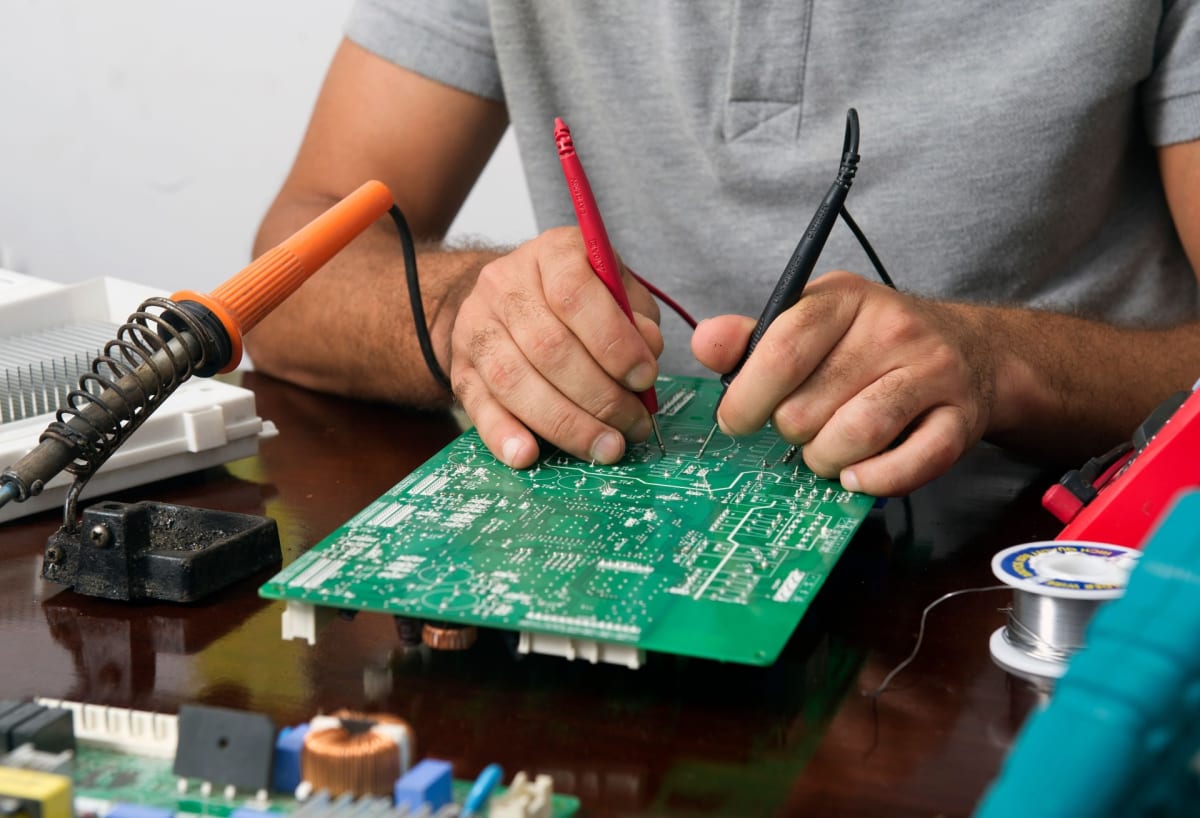
Identifying the root cause requires careful observation and, in many cases, professional diagnostic tools. While some preliminary checks can be performed by a homeowner, it is important to recognize when the issue goes beyond simple troubleshooting and requires the expertise of a qualified electrician to prevent further damage or safety risks. Maintaining proper electrical integrity is essential for the longevity and safe operation of any electric heating appliance within a home.
Signs Your Electric Heater Needs Professional Attention
Recognizing the indicators that your electric heater is struggling is the first step toward a solution. Many problems manifest through clear signs that homeowners can observe. When these symptoms appear, it often signifies that it's time to consider professional electrical service to ensure both the functionality and safety of your heating system.
No Heat Output or Intermittent Heating
The most obvious sign is a complete lack of heat, or heat that comes and goes unpredictably. If your heater is plugged in and turned on but feels cold, or only warms up occasionally, it could point to a few issues. A common culprit is a broken heating element, which prevents the heater from generating warmth. Other possibilities include problems with the power supply to the unit, such as a tripped circuit breaker, or an internal wiring fault. Intermittent heating might suggest a faulty thermostat struggling to maintain a consistent temperature or a safety switch engaging and disengaging due to an internal issue.
Frequent Tripping of Circuit Breakers
An electric heater that repeatedly causes your circuit breaker to trip is a clear warning sign. This usually indicates an overload on the circuit, meaning too many appliances are drawing power from the same electrical line, or there's a short circuit within the heater itself. While trying a different outlet can rule out an overloaded circuit, if the issue persists, the heater might have an internal electrical fault. Continuous breaker trips should never be ignored, as they can lead to electrical hazards or damage to your home's wiring. This is a critical point where professional assessment is highly recommended.
Unusual Noises or Odors
Any new or strange sounds coming from your electric heater, such as grinding, rattling, or loud humming, can indicate mechanical problems with a fan motor or other internal components. More concerning are burning smells or the odor of melting plastic. While a new heater might have a slight initial smell as dust burns off, persistent or strong burning odors signal a serious electrical problem, such as overheating wiring or components. If you detect such smells, it is imperative to turn off the heater immediately and disconnect it from the power source before contacting an electrician.
Inconsistent or Incorrect Thermostat Readings
If your heater runs constantly regardless of the set temperature, or if it cycles on and off too frequently without reaching the desired warmth, the thermostat may be faulty. A malfunctioning thermostat can lead to inefficient operation, higher energy consumption, or simply an inability to properly heat your space. Sometimes, the issue might be a blocked air intake or sensor, preventing the thermostat from accurately gauging the room temperature.
Heater Won't Turn On At All
Beyond a lack of heat, sometimes the heater simply refuses to power on. This could be due to a lack of power from the outlet, a tripped breaker, a blown fuse within the unit (if applicable), or a complete failure of the control board or thermostat. Before contacting an electrician, ensure the unit is properly plugged in and the outlet is functional by testing it with another appliance. If these basic checks don't resolve the issue, an internal electrical fault is likely present.
The Professional Electric Heater Troubleshooting and Repair Process
When an electric heater malfunctions, a systematic approach is essential for accurate diagnosis and effective repair. Professional electricians follow a structured process to identify the root cause of the problem, ensuring safety and restoring optimal heater performance. This process typically involves several key steps:
- Initial Safety Check: The first and most critical step is to ensure the area is safe. This involves verifying that the heater is disconnected from its power source and that there are no immediate hazards like burning smells or visible smoke. Safety protocols are always paramount when dealing with electrical appliances.
- Power and Circuit Verification: The electrician will check the electrical panel for tripped breakers or blown fuses. They will then test the outlet where the heater is plugged in to confirm it is receiving adequate voltage. This helps rule out external power supply issues versus problems internal to the heater.
- Thermostat and Control System Diagnosis: If power is present, the next step involves inspecting the thermostat. This includes checking its settings, calibration, and internal wiring. For units with digital controls, diagnostic tools may be used to identify communication errors or component failures within the control system.
- Heating Element Inspection: The heating element is a common point of failure. The electrician will visually inspect the element for signs of damage, such as breaks or charring. They will also use a multimeter to test for continuity, ensuring the element is electrically sound and capable of generating heat.
- Internal Wiring and Component Check: A thorough examination of the heater's internal wiring, switches, and safety sensors is conducted. Loose connections, corroded terminals, or faulty safety switches (like tip-over or overheat protection) can prevent a heater from operating correctly. Each component is tested for proper function and integrity.
- Airflow and Fan Component Check (if applicable): For forced-air heaters, the fan motor and airflow pathways are checked. Blockages, a malfunctioning fan, or a dirty filter can restrict airflow, leading to overheating and the activation of safety cut-offs, or simply inadequate heat distribution.
- Repair or Replacement: Once the fault is identified, the electrician will discuss the repair options. This might involve replacing a faulty thermostat, a damaged heating element, repairing a wiring fault, or replacing a malfunctioning fan motor. Repairs are conducted with precision, using appropriate parts and adhering to electrical safety standards.
- Final Testing: After repairs are completed, the heater is reassembled and thoroughly tested to ensure it operates safely and effectively across all settings. This includes monitoring for consistent heat output, correct thermostat response, and proper engagement of safety features.
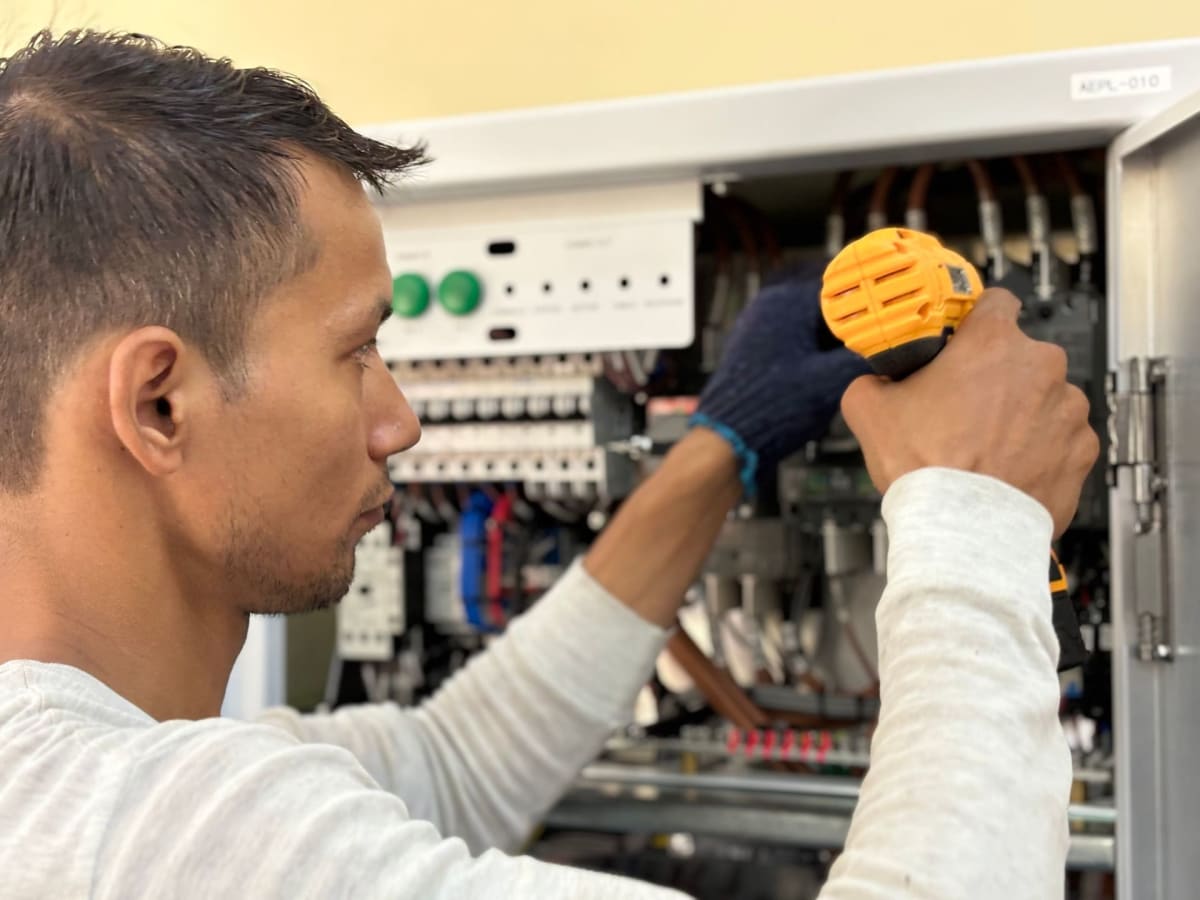
This detailed process ensures that not only is the immediate problem addressed, but also that the heater is left in a safe and reliable operating condition, providing peace of mind to the homeowner.
Service Coverage in Southeastern Wisconsin & Nearby Areas
Living in Southeastern Wisconsin means being prepared for all types of weather, and that includes ensuring your electric heating systems are reliable. Services for electric heater troubleshooting and repair are available throughout the region, offering timely and efficient solutions for homeowners. Whether in the bustling urban areas of Milwaukee and Racine, the suburban communities of Waukesha, or the surrounding counties like Ozaukee, Washington, and Kenosha, local electrical professionals possess an understanding of regional housing types and common electrical setups.
Local expertise translates to quicker response times, especially during peak heating seasons when a malfunctioning heater can be a critical issue. Electrical professionals in Southeastern Wisconsin are equipped to handle a range of electric heating systems, from older models to newer, more energy-efficient units. This regional focus ensures that services are not just technically proficient but also tailored to the specific needs and challenges faced by properties in Wisconsin's climate, providing peace of mind when heating systems require attention.
Why Choose Incan Electric for Electric Heater Repair
When an electric heater in your home stops working, ensuring it receives professional and reliable attention is paramount. At Incan Electric, we understand the importance of a properly functioning heating system, especially for residents of Southeastern Wisconsin. Our team of licensed and experienced electricians is dedicated to providing thorough and safe diagnostic and repair services for all types of residential electric heaters.
We prioritize safety, adhering to all electrical codes and industry best practices. Our electricians are equipped with the knowledge and tools to accurately diagnose complex electrical issues and perform lasting repairs. Choosing Incan Electric means opting for dependable service, clear communication, and a commitment to restoring comfort and safety to your home efficiently. For trusted electric heater repair and electrical services, homeowners in the region can reach us directly at (262) 235-5444.
Frequently Asked Questions About Electric Heater Issues
Can I fix a broken electric heater myself?
While simple checks like ensuring the heater is plugged in or resetting a tripped circuit breaker can be done by a homeowner, internal repairs are best left to qualified electricians. Electric heaters operate with significant voltage, and tampering with internal components can be dangerous, potentially leading to electrical shock, further damage to the unit, or even fire hazards. Professionals have the necessary training, tools, and experience to safely diagnose and repair complex electrical issues within the heater.
How long do electric heaters typically last?
The lifespan of an electric heater can vary significantly depending on its type, quality, usage, and maintenance. Portable electric space heaters might last anywhere from 3 to 10 years, while more robust units like electric baseboard heaters or central electric furnace elements can last 15 to 25 years or even longer with proper care. Regular cleaning, ensuring adequate airflow, and addressing any minor issues promptly can help extend the life of your heating appliance.
What are common causes of an electric heater tripping a breaker?
Electric heaters typically draw a substantial amount of power, making them prone to tripping circuit breakers if the circuit is overloaded. The most common reasons include plugging the heater into a circuit that also powers many other high-draw appliances, or using a heater with a wattage rating too high for the circuit's capacity. Additionally, an internal fault within the heater, such as a short circuit in the heating element or wiring, can cause a breaker to trip as a safety measure. It's important to investigate the cause to prevent electrical hazards.
Professional Electric Heater Repair in Southeastern Wisconsin
Experiencing issues with your electric heater in Southeastern Wisconsin can disrupt your home's comfort and pose potential safety concerns. Understanding the signs of a malfunctioning heater and the importance of professional intervention is key to maintaining a safe and warm environment. For any complex electric heater problems, or if you suspect an electrical fault, it is always recommended to consult with a certified electrician.
For reliable, safe, and efficient electric heater repair and electrical services across the region, trust the expertise of local professionals. Do not hesitate to seek expert help when your heater is not working as it should. Contact a professional for assistance today at (262) 235-5444.
Tags:#Residential#Emergency