
Burlington WI Lightning Strike Inspection: Post-Storm Guide
September 18, 2026
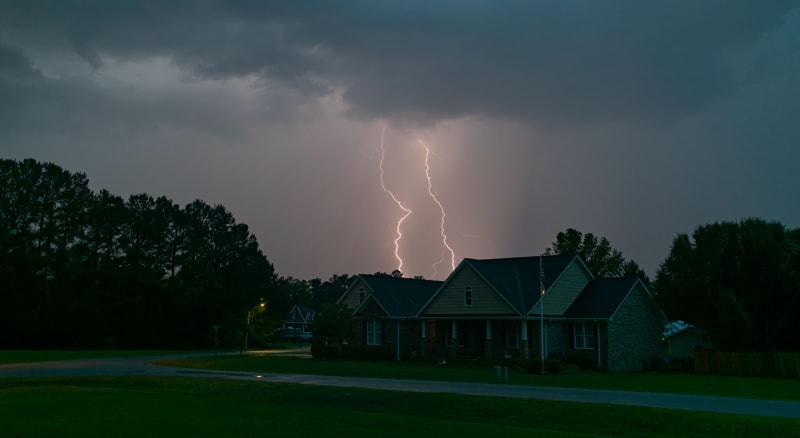
A professional Burlington, WI lightning strike inspection identifies hidden electrical damage after direct or nearby lightning strikes. Lightning induces massive voltage spikes that travel through overhead power lines, cable feeds, and grounding rods, melting delicate breaker contacts, degrading wire insulation, and compromising GFCI protection. Scheduling an immediate inspection with licensed electricians confirms whether your service panel, grounding system, and connected appliances remain safe to operate.
Why Is a Lightning Strike Inspection Crucial in Burlington, WI?
Severe thunderstorms moving across southeastern Wisconsin routinely generate powerful cloud-to-ground lightning discharges. While direct strikes to rooftops cause dramatic structural damage, nearby lightning strikes represent a far more common and insidious threat to residential electrical systems. When lightning strikes a nearby tree, utility pole, or open field in Burlington, millions of volts dissipate into the earth and surrounding utility networks.
This immense electrical discharge creates high-voltage transients that travel along overhead We Energies utility lines, telephone cables, and underground grounding systems. When that surge enters your home, it bypasses standard breaker trip curves because standard thermal-magnetic circuit breakers are designed to prevent sustained overcurrent, not microsecond high-voltage spikes. The voltage wave races across your home's wiring, degrading insulation, fusing contact points, and frying sensitive electronic appliances.
Many lightning-damaged components continue to carry electrical current while operating in a severely degraded condition. Damaged circuit breakers may fail to trip during a future overload, scorched wire connections inside walls can arc intermittently, and compromised ground rods leave the entire structure vulnerable to the next storm. An electrical inspection systematically uncovers these hidden hazards before they trigger house fires or equipment failures.
What Signs Indicate Lightning and Surge Damage in Your Home?
Identifying the signs of lightning damage helps Burlington homeowners take prompt action following a thunderstorm. Even if electrical power remains on throughout the house, watch for these common physical and operational symptoms:
- Breakers tripped simultaneously across multiple circuits - Several circuit breakers tripping at the exact moment of a thunderclap signals a substantial voltage spike entered the panel.
- Physical scorch marks or soot on outlets - Black discoloration, melted plastic covers, or soot around receptacle slots indicate electrical arcing across outlet terminals.
- Persistent electrical burning odors - An acrid smell resembling burned plastic or ozone near the breaker panel or baseboards indicates overheated conductor insulation.
- Flickering lights or intermittent power loss - Lights that flicker irregularly or appliances that lose power unexpectedly point to loose or pitted terminal connections.
- Inoperable GFCI or AFCI receptacles - Safety outlets that refuse to reset or show dark diagnostic indicator lights have sacrificed their internal sensing electronics.
If you observe smoke, active sparking, or a strong burning odor after a lightning event, evacuate the area, call emergency services if necessary, and de-energize the main service disconnect if safe to reach.
How Do Electricians Conduct a Post-Lightning Electrical Inspection?
Assessing lightning damage requires specialized diagnostic tools capable of measuring conductor insulation integrity and earth grounding resistance. A standard visual glance cannot detect micro-fractures in breaker casings or breakdown of wire insulation inside wall cavities.
At Incan Electric, our licensed electricians follow a comprehensive evaluation protocol to verify system safety:
- Service entrance inspection - We inspect the overhead service drop, weatherhead, meter socket, and mast for physical damage.
- Panel and busbar analysis - Electricians remove the panel cover to check busbars for pitting and test breaker mechanics.
- Grounding system testing - Technicians test ground rods and bonding jumpers to verify low-impedance connection to earth.
- Insulation resistance checks - We test branch circuits with megohmmeters to ensure wiring inside walls has not broken down.
- Device and GFCI verification - Every outlet, GFCI receptacle, and hardwired appliance circuit is tested for safe operation.
If your property experienced a close lightning strike or sudden electrical disruptions, do not leave your safety to chance. Call (262) 235-5444 or request a callback to schedule an on-site safety evaluation with Incan Electric.
Vulnerable Electrical Components and Inspection Checklist
Lightning surges seek every available path to ground, placing heavy stress on specific components throughout your home. The following table outlines the key electrical components evaluated during a post-storm inspection:
| Electrical Component | Inspection Focus | Warning Sign of Lightning Damage | Required Action |
|---|---|---|---|
| Main Service Panel | Busbars, main breaker, and branch breakers | Pitting on busbars, scorched breaker casing, or ozone odor | Replace damaged breakers or rebuild panel assembly |
| Grounding Electrode System | Ground rods, bonding clamps, and water pipe bonds | Loose clamps, severed copper ground wire, or high earth resistance | Re-drive ground rods and tighten bonding connections to code |
| GFCI and AFCI Receptacles | Internal sensing electronics and test/reset mechanisms | Reset button will not click, or device stays dead | Replace compromised GFCI/AFCI devices immediately |
| Branch Circuit Wiring | Conductor insulation, junction connections, and outlets | Charred receptacle faces, melted wire nuts, or warm wall boxes | Megohmmeter testing and rewiring damaged circuit runs |
| Hardwired Equipment | HVAC boards, water heater elements, and well pumps | Tripped disconnect, failure to cycle, or blown control fuses | Coordinate diagnostic check and verify power delivery circuits |
Every component on this checklist plays a vital role in preventing electrical fires. Replacing a single scorched outlet while ignoring a compromised ground rod leaves the home exposed to severe future hazards.
Why Are Burlington Homes Vulnerable to Severe Weather Surges?
Burlington properties feature a wide range of electrical infrastructure, from established riverfront homes near the Fox River to newer residential developments and rural acreage. Properties with mature oak and maple trees are particularly vulnerable to tree strikes, where lightning travels through root systems into buried water lines, gas pipes, and underground electrical feeds.
Furthermore, severe thunderstorms off Lake Michigan frequently bring intense wind gusts that drop heavy tree branches across overhead service lines. In Burlington and neighboring communities, our team frequently performs emergency mast and service rebuilds when falling limbs or lightning strikes tear service equipment from exterior walls. When an overhead mast pulls free, it rips meter sockets from siding and breaks service entrance conductors, requiring rapid coordination with We Energies to cut power and restore safe service.
All electrical repairs in Burlington must conform to the Wisconsin SPS 316 electrical code, administered by the Wisconsin DSPS electrical program and referenced in NFPA 70 (National Electrical Code). Our electricians pull the necessary municipal permits with the City of Burlington building inspection department, complete required service rebuilds, and schedule final inspections to guarantee code compliance.
Homeowners can learn more about storm recovery through our specialized storm damage electrical repair services and our comprehensive home electrical inspection solutions. Our licensed Burlington electricians deliver fast, dependable response times when severe weather compromises your electrical system.
What Factors Influence the Cost of Post-Lightning Repairs?
Because lightning strikes can cause minor damage to a single GFCI receptacle or catastrophic damage across an entire electrical service, project costs depend entirely on the physical findings. Key pricing factors include:
- Extent of service entrance damage - Rebuilding a ripped service mast, meter socket, and weatherhead requires utility coordination and heavy hardware, whereas replacing individual breakers involves less labor.
- Number of affected branch circuits - If high voltage degraded wire insulation within wall cavities, sections of Romex wiring must be pulled and replaced.
- Grounding system repairs - Replacing corroded ground rods, installing supplementary grounding electrodes, or replacing severed bonding wires affects project scope.
- Permit and inspection requirements - Emergency service rebuilds and panel replacements require municipal electrical permits and utility reconnection fees.
Because each home's storm exposure is completely unique, we quote after one visit so you know the exact scope before any work begins.
Frequently Asked Questions
Can lightning damage my Burlington home if it struck a nearby tree?
Yes. Lightning traveling down a tree trunk enters the surrounding soil and seeks low-resistance paths back to ground. It frequently jumps onto underground electrical conduit, well pump wiring, metallic water pipes, or cable lines. These indirect ground surges travel directly into the home's service panel, causing severe voltage spikes that damage appliances and degrade circuit breakers without any direct roof strike.
Will standard circuit breakers protect my appliances from lightning?
No. Standard circuit breakers are thermal-magnetic safety devices designed to protect wiring from sustained overcurrent and dead shorts. A lightning voltage surge travels at nearly the speed of light, lasting only microseconds. Standard breakers cannot react quickly enough to arrest a high-voltage spike, allowing excess energy to enter connected devices unless whole-house surge protective devices are installed at the panel.
How long does a post-lightning electrical inspection take?
A comprehensive electrical inspection following a lightning strike typically takes between one and two hours for an average-sized home. During this time, our electricians inspect the main panel, test grounding impedance, check branch circuits with insulation resistance meters, and test all GFCIs and exterior outlets. If extensive wiring damage or service mast detachment is discovered, the evaluation may require additional time.
Does homeowners insurance cover electrical repairs after lightning?
Most standard homeowners insurance policies cover electrical repairs and appliance replacement resulting from lightning strikes and storm-induced power surges. An itemized diagnostic inspection report from a licensed electrical contractor detailing damaged components, voltage flashover, and code-mandated repairs provides the documentation adjusters require to process insurance claims smoothly.
Ready to Schedule Your Burlington Lightning Strike Inspection?
Hidden electrical damage from lightning compromises your home's safety and leaves wiring prone to catastrophic failure. Our team of licensed Burlington electricians has 5+ years of experience performing comprehensive system assessments, emergency service rebuilds, and code-compliant repairs across Burlington, Waterford, Rochester, and Racine County.
Call (262) 235-5444 or schedule a safety inspection to verify your electrical system today.