
Breaker Trips in Rain Wales WI: Moisture Causes and Fixes
September 1, 2026
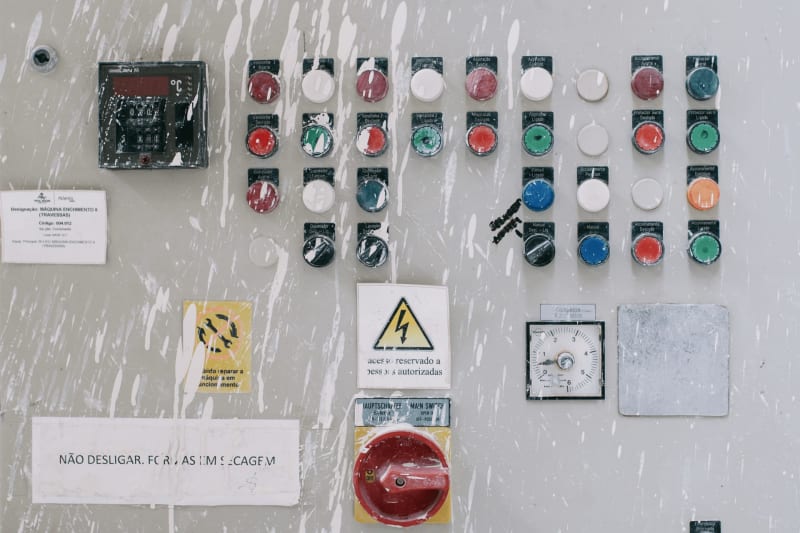
When a circuit breaker trips in rain in Wales, WI, moisture has infiltrated an outdoor outlet, exterior conduit, service mast, or panel enclosure. Water conducts electrical current between live conductors and ground, creating an immediate ground fault or short circuit. Never repeatedly reset a rain-affected breaker; isolating the circuit and calling a licensed electrician prevents electrical fires and shock hazards.
Why Your Breaker Trips in Rain in Wales, WI?
Circuit breakers serve as automatic safety switches designed to interrupt electrical current when they detect overloads or ground faults. When outdoor wiring, exterior receptacles, or service equipment absorb rainfall, water forms an unintended conductive bridge. That conductive path allows electrical current to escape its normal circuit loop and travel directly into grounded metal boxes, mounting screws, or earth.
Modern Ground Fault Circuit Interrupters (GFCIs) are engineered with high sensitivity, tripping when current leakage reaches just 4 to 6 milliamps. While standard thermal-magnetic breakers require substantial short-circuit current to trip immediately, a GFCI detects microscopic moisture bridges instantly. In residential properties across Wales and surrounding Waukesha County, rain-related trips most frequently strike outdoor patio circuits, exterior landscape lighting, detached garage feeds, and underground yard wiring.
Older properties and rural parcels in the Wales area often feature exterior wiring that has endured years of harsh Wisconsin seasonal shifts. Repeated freeze-thaw cycles crack conduit fittings, degrade weatherproof gaskets, and loosen overhead service mast connections. When heavy downpours saturate these vulnerable spots, the electrical system responds exactly as designed by cutting power to prevent electrocution and structural fires.
What Are the Warning Signs of Moisture in Your Electrical System?
Recognizing the warning signs of moisture intrusion allows homeowners to intervene before electrical corrosion causes permanent equipment damage. While a tripping breaker provides the clearest clue, subtle physical and visual symptoms often develop first:
- Persistent tripping after rainfall - A single circuit breaker or GFCI outlet trips every time rain falls or outdoor humidity spikes.
- Corrosion inside exterior enclosures - White powder oxidation, rust streaks, or pooled water appear inside outdoor disconnects or outlet boxes.
- Buzzing or sizzling sounds - Arcing electrical current creates audible buzzing near outdoor junction boxes or basement panels when moisture bridges contacts.
- Discolored outlets or wall surfaces - Brown scorching, bubbling paint, or damp drywall near service entrances indicate electrical heat caused by moisture shorts.
- Burning plastic or metallic odors - Overheating insulation damaged by moisture leakage generates a distinct acrid burning smell that demands immediate power isolation.
If you observe buzzing noises, visible scorching, or acrid odors near your panel or outdoor fixtures, shut off the affected breaker immediately. Persistent moisture creates high-resistance electrical arcs that can ignite framing studs even when a breaker fails to trip.
How Do Electricians Troubleshoot and Fix Rain-Induced Breaker Trips?
Diagnosing moisture faults requires specialized testing equipment and systematic isolation techniques. Working with damp or wet electrical equipment presents severe shock hazards, meaning diagnosis must always be performed by licensed professionals.
At Incan Electric, our licensed technicians follow a structured troubleshooting process to locate moisture entry points and restore safe operation:
- Safety isolation - We de-energize the affected circuit at the panel and inspect the meter base and service entrance.
- Circuit testing - Technicians use multimeters and insulation testers to measure resistance and isolate ground faults.
- Moisture removal - Electricians open damp enclosures, dry internal components, and clean corroded terminal contacts.
- Hardware replacement - Damaged breakers, receptacles, and conduits are replaced with NEMA 3R outdoor-rated equipment.
- System verification - We re-energize the circuit, test breaker mechanics, verify GFCI trip thresholds, and confirm safety.
If a circuit breaker trips repeatedly during storms in your home, do not attempt to force the switch into the on position. Call (262) 235-5444 or request a callback to have Incan Electric inspect your system and secure your exterior circuits.
Common Moisture Entry Points and Recommended Electrical Fixes
Exterior electrical equipment relies on mechanical seals, gaskets, and proper drainage weep holes to remain dry. When these protective barriers deteriorate, water finds direct paths into energized components. The following table highlights common moisture intrusion points and the appropriate electrical solutions:
| Intrusion Point | Common Symptom | Potential Hazard | Recommended Electrical Solution |
|---|---|---|---|
| Outdoor GFCI Receptacle | Immediate trip when lawn or patio gets wet | Shock hazard during outdoor appliance use | Replace with weather-resistant GFCI and in-use bubble cover |
| Weatherhead and Service Mast | Main panel or subpanel gets wet inside | Busbar corrosion and whole-home power failure | Re-seal mast roof flashing or rebuild damaged service mast |
| Exterior Conduit and Fittings | Breaker trips during prolonged rainfall | Cable insulation breakdown and hidden arcing | Re-pipe damaged PVC conduit and apply duct seal at entry points |
| Underground Feeder Wiring | Breaker trips after ground absorbs heavy rain | Direct earth fault and loss of garage or yard power | Locate fault with cable locator and pull new direct-burial UF-B wire |
| Main Electrical Panel Wall | Water dripping down basement foundation wall | Panel rust, breaker failure, and house fire risk | Re-route external drainage, seal penetration, and replace panel if corroded |
Addressing the root cause of water intrusion is essential. Simply replacing a tripped breaker without sealing the water leak guarantees that the replacement breaker will trip during the next storm.
Why Does Weatherproofing Matter for Wales and Waukesha County Homes?
Homes in Wales and broader Waukesha County endure intense seasonal weather variations. Freezing winter temperatures give way to spring ground thaws, driving summer thunderstorms, and heavy autumn rains. As temperatures drop below freezing, water trapped inside unsealed exterior conduit expands, splitting PVC pipes and pulling junction boxes away from exterior siding.
When spring rains arrive, saturated ground tests direct-burial feeder lines running to detached sheds, pole barns, and outdoor lampposts. If underground wires have suffered rock damage or insulation rot, moisture creates an immediate ground fault that trips the supplying breaker. In rural and semi-rural areas around Wales, these underground faults can cut power to critical well pumps or outdoor security systems.
Furthermore, overhead utility services connected to the We Energies power grid rely on roof-mounted weatherheads and service masts to keep rain out of home electrical panels. When wind and ice loosen roof flashing around the mast, rainwater funnels down inside the conduit directly into the main service panel in the basement. When water causes extensive corrosion to panel busbars, homeowners often require a complete electrical panel upgrade to restore safe power distribution.
In Wisconsin, all service modifications and panel replacements must comply with the Wisconsin SPS 316 electrical code, overseen by the Wisconsin DSPS electrical program. Our team pulls the required municipal permits with local building inspection authorities, coordinates required utility disconnects with We Energies, and ensures every outdoor installation meets modern weatherproofing standards. For safety advice regarding household electrical components, homeowners can also consult the US CPSC electrical safety guidelines. When sudden moisture causes dangerous arcing or power outages, our emergency electrician team provides prompt troubleshooting across our Waukesha County electrical service area.
What Factors Determine the Cost of Moisture Repairs?
Because moisture can enter an electrical system through an unlatched outlet cover or an underground cable break hundreds of feet from the house, repair costs vary depending on the exact source. Key factors that determine project scope include:
- Accessibility of the fault - Surface-mounted outdoor receptacles are straightforward to access, whereas underground cables or roof weatherheads require specialized locating tools, ladders, or trenching.
- Extent of water damage - Surface moisture can often be dried and resealed, but equipment with corroded busbars, oxidized terminals, or waterlogged breakers requires component replacement.
- Need for utility coordination - If water enters through the main service mast or meter base, repairs require scheduling a service disconnect and reconnect with We Energies.
- Municipal permitting and code updates - Replacing service equipment requires building permits and inspections to ensure compliance with Wisconsin SPS 316.
Because each home's wiring layout and moisture exposure differ, we quote after one visit so you know the exact scope before any work begins.
Frequently Asked Questions
Why does my outdoor GFCI outlet trip every time it rains?
Outdoor GFCI receptacles trip when rain penetrates older flip-lid covers or condenses inside the box. A GFCI monitors the balance between hot and neutral wires, cutting power when current leakage reaches 4 to 6 milliamps. Upgrading to an outdoor weather-resistant (WR) receptacle paired with an extra-duty, in-use bubble cover prevents moisture from bridging live terminals while tools or patio lights remain plugged in.
Is it safe to reset a breaker that tripped because of rain?
Resetting a breaker once after rainfall to test the circuit is common, but repeatedly resetting a breaker that immediately trips is dangerous. Forcing a wet breaker switch closed can spark electrical arcing, ruin the breaker's internal trip mechanism, or ignite damp building materials. If a breaker trips a second time during rain, leave the circuit switched off and contact a licensed electrician to inspect the circuit.
How does water get into an indoor electrical panel during storms?
Rainwater frequently enters indoor basement panels through damaged exterior service equipment. If the roof boot around your service mast deteriorates or the weatherhead seal cracks, rainwater runs down inside the metal conduit directly onto the main panel busbars. Deteriorated utility meter socket seals also allow rainwater to track along the service cable through foundation walls, causing hidden panel corrosion and catastrophic short circuits.
Can wet electrical wiring dry out on its own and work safely?
While surface moisture can evaporate once the sun comes out, wiring and devices that have been soaked often retain moisture inside insulation jackets and wire connectors. Furthermore, water deposits minerals and promotes rapid oxidation on copper and aluminum connections. Even if the circuit temporarily stops tripping when dry, corroded connections develop high electrical resistance, creating hidden hot spots and future fire hazards.
Ready to Fix Your Tripping Breaker in Wales, WI?
Recurring breaker tripping during rain indicates a serious moisture fault that compromises your home's electrical safety. Incan Electric brings 5+ years of licensed expertise to homeowners across Wales, Delafield, and Waukesha County, delivering thorough diagnostic testing, code-compliant weatherproofing, and dependable repairs.
Call (262) 235-5444 or schedule an inspection to protect your home from rain-related electrical hazards today.