Introduction to Home Electrical Wiring in Southeastern Wisconsin
The electrical wiring within any home serves as its fundamental nervous system, distributing power safely and efficiently to all outlets, switches, and fixtures. In Southeastern Wisconsin, from the bustling areas of Milwaukee County to the growing communities in Waukesha County and stretching into Racine County and Kenosha County, the integrity of a home's electrical wiring is paramount. It directly impacts the safety of occupants, the reliability of appliances, and the overall energy efficiency of the property. Selecting the best wire for home electrical system isn't about finding a single 'best' product, but rather ensuring that the appropriate type and gauge of wire are used for each specific application, adhering to local codes and safety standards. This detailed guide explores the nuances of home electrical wiring, helping homeowners understand the importance of proper selection, installation, and maintenance.
What Defines the Best Wire for a Home Electrical System?
When discussing the best wire for a home electrical system, it's essential to understand that electrical wiring is not a one-size-fits-all component. Various factors influence the optimal choice, including the specific circuit's load requirements, environmental conditions, and the installation method. The wire's gauge (thickness), the type of insulation it uses, and its intended application are critical considerations. For instance, circuits carrying higher amperages require thicker wires to prevent overheating, while wires exposed to moisture or extreme temperatures need specialized protective coatings.
Common wire types found in residential properties include:
- Non-Metallic (NM-B) Cable: Often referred to as 'Romex', this is a prevalent choice for indoor residential wiring. It consists of multiple insulated conductors (hot, neutral, ground) encased in a plastic sheath, suitable for dry, protected areas.
- THHN/THWN Wire: Known for its heat-resistant thermoplastic high-heat nylon coating, THHN wire is commonly used in conduits or for wiring appliances and fixtures. Its THWN variant offers additional water resistance.
- MC (Metal-Clad) Cable: This wire type provides enhanced protection with its metal sheath, offering superior resistance to physical damage and fire. It's often used where wiring is exposed or in commercial and industrial settings, though also applicable in residential projects.
- UF (Underground Feeder) Cable: Designed for outdoor and direct-burial applications, UF cable is highly resistant to moisture, corrosion, and temperature fluctuations, making it ideal for landscape lighting, outdoor outlets, and detached garages.
Choosing the correct wire type and size ensures the electrical system operates safely, preventing hazards like electrical fires and system overloads. A professional assessment considers all these variables to make the most appropriate recommendations.
Signs You May Need to Evaluate Your Home's Electrical Wiring
Even if an electrical system appears to be functioning, subtle indicators can suggest underlying wiring issues that require professional attention. Ignoring these signs can lead to more significant problems, including safety hazards. Homeowners in Southeastern Wisconsin should be vigilant for the following common warning signs:
Flickering or Dimming Lights
If lights frequently flicker or dim, especially when other appliances are turned on, it often indicates an electrical circuit that is overloaded or has loose wiring connections. This can strain the electrical system and poses a potential fire risk.
Frequent Breaker Trips or Blown Fuses
Circuit breakers and fuses are safety devices designed to protect wiring from overcurrents. If they trip or blow frequently, it signals that a circuit is consistently drawing too much power, suggesting inadequate wiring for the load or a fault within the system.
Warm Outlets, Switches, or Burning Smells
Heat emanating from outlets or switches, or a distinct burning smell (often described as plastic or sulfur), indicates overheating. This is a critical warning sign of faulty wiring, loose connections, or an overloaded circuit that requires immediate attention.
Outdated Wiring Systems
Homes built several decades ago, particularly those before the 1970s, might have outdated wiring such as knob-and-tube or aluminum wiring. These systems may not safely handle the demands of modern electronics and appliances, posing inherent risks due to degradation or incompatibility.
Buzzing Sounds or Slight Shocks
Audible buzzing from outlets or experiencing mild shocks when touching appliances or switches points to serious electrical faults, such as improper grounding or exposed wires. These issues demand prompt professional diagnosis.
The Work Process for Electrical Wiring Services
When addressing electrical wiring concerns, a structured and systematic approach is essential to ensure safety, compliance, and effective solutions. The general work process typically involves several key stages, each designed to diagnose issues, plan remedies, and execute the necessary work with precision.
- Initial Consultation and Assessment: The process begins with understanding the homeowner's concerns, observing the reported symptoms, and discussing the property's electrical history. This initial discussion helps in forming a preliminary understanding of the potential issues.
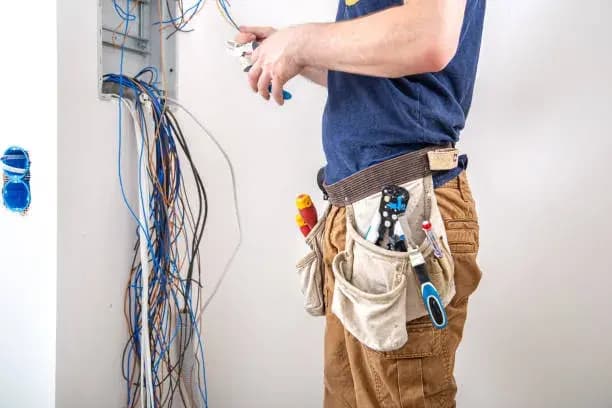
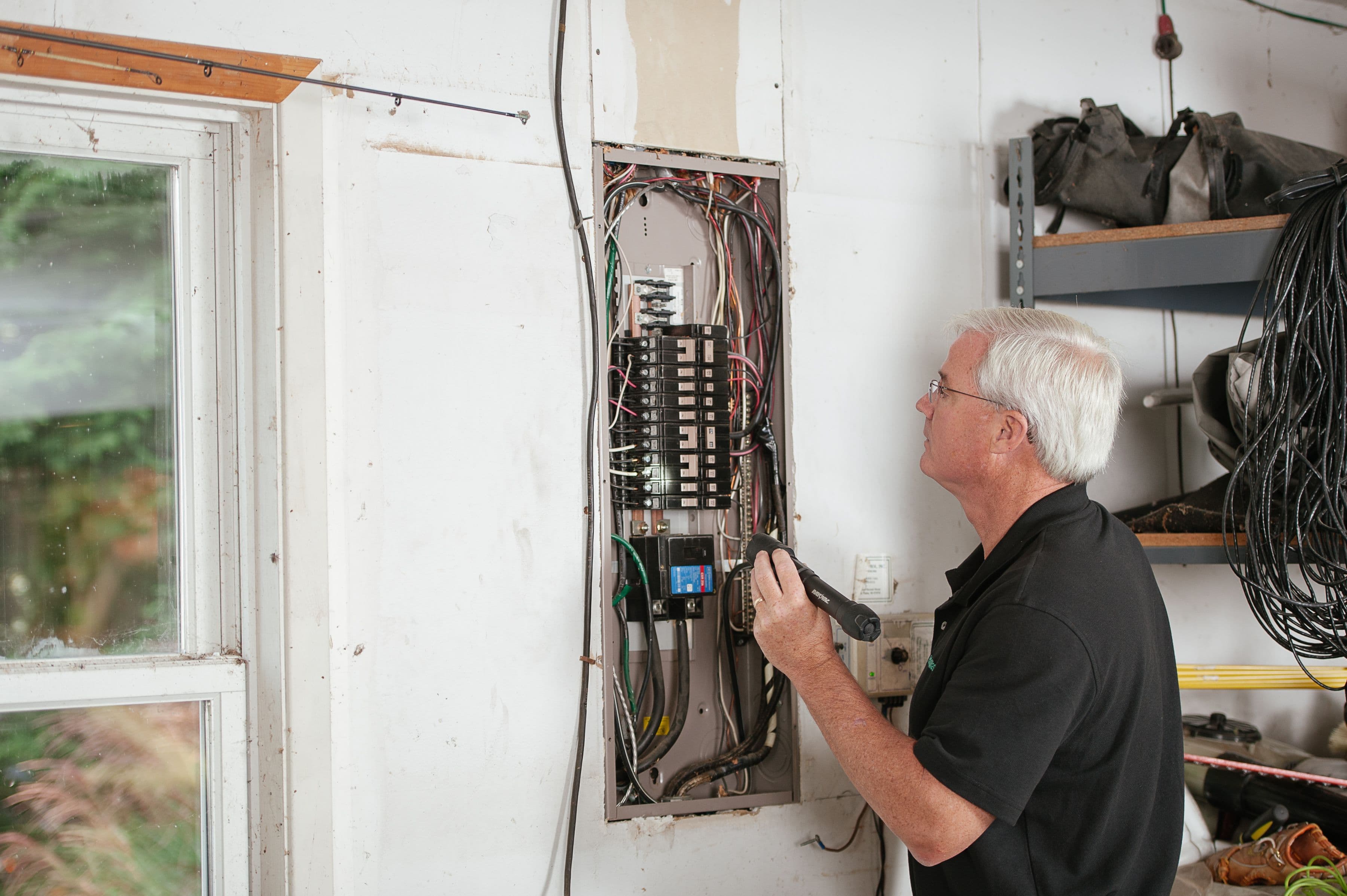
- Thorough System Inspection: A comprehensive inspection of the electrical panel, outlets, switches, light fixtures, and visible wiring is conducted. Diagnostic tools are used to check for voltage drops, current fluctuations, loose connections, signs of overheating, and correct grounding. This stage is crucial for identifying the root cause of problems.
- Load Calculation and Planning: If upgrades or new installations are required, a detailed load calculation is performed to determine the power demands of the home's appliances and systems. This informs the selection of appropriate wire gauges, circuit breaker sizes, and ensures the electrical system can safely handle future needs. A clear plan for routing, connections, and material selection is developed.
- Wire Selection and Installation/Replacement: Based on the assessment and plan, the correct type of wiring (e.g., NM-B, THHN, UF) and gauge are selected. Installation involves carefully running new wires, connecting them to circuits, and ensuring all terminations are secure and compliant with the National Electrical Code (NEC) and local regulations.
- Testing and Safety Checks: Once the wiring work is completed, rigorous testing is conducted. This includes checking for continuity, proper grounding, correct polarity, and verifying that all circuits function as intended without faults or hazards. All safety measures are confirmed before the system is fully energized.
Electrical Wiring Service Coverage in Southeastern Wisconsin & Nearby Areas
Ensuring the integrity of your home's electrical wiring is a priority, and timely service can make all the difference. Electrical wiring services are available across Southeastern Wisconsin, providing homeowners with access to expert assistance when it's needed most. Whether located in Milwaukee, Waukesha, Racine, or Kenosha, electrical professionals understand the specific challenges and requirements of homes in this region. This local expertise ensures solutions are tailored to the climate, existing infrastructure, and community standards.
Rapid response times are a key benefit for residents throughout Southeastern Wisconsin, including neighboring counties like Ozaukee, Walworth, and Washington. Focused on electrical safety and performance, professional electricians are equipped to provide reliable and efficient wiring services that meet the unique needs of each home and homeowner in the area.
Why Choose Incan Electric for Your Home Wiring Needs
When it comes to the safety and functionality of your home's electrical system, choosing the right professionals is paramount. At Incan Electric, we are committed to providing exceptional electrical services across Southeastern Wisconsin. Our team of licensed and experienced electricians brings a wealth of knowledge and a dedication to precision and adherence to the highest safety standards in every project.
We understand the critical role that proper wiring plays in protecting your home and family. Our approach is thorough, ensuring that all work, from inspections to complete wiring overhauls, is performed with meticulous attention to detail and in full compliance with current electrical codes. When you need reliable and safe electrical solutions, we invite you to experience the difference that professional expertise makes. For assistance with your home's electrical wiring, please call us directly at (262) 235-5444.
Frequently Asked Questions About Home Electrical Wiring
How often should residential wiring be inspected in Southeastern Wisconsin?
It is generally recommended that homes undergo a comprehensive electrical inspection every 5 to 10 years, or more frequently if the home is older, has experienced significant electrical issues, or is undergoing major renovations. For homes in Southeastern Wisconsin with older wiring, an annual check-up can provide peace of mind and help detect potential problems before they escalate. A professional inspection identifies wear and tear, code violations, and potential hazards.
Can I install new electrical wiring myself?
Working with electrical wiring is inherently dangerous and complex. It requires a deep understanding of electrical principles, safety protocols, and strict adherence to the National Electrical Code (NEC) and local building codes. Improper installation can lead to electrical fires, shocks, or system damage. For these reasons, it is strongly advised to engage a licensed electrician for any significant wiring work or installations to ensure safety and compliance.
What are the primary differences between common residential wire types?
The main differences lie in their construction, insulation, and intended application. NM-B (Romex) is best for dry indoor applications. THHN/THWN is a single conductor wire for conduits or specific appliances, known for heat and moisture resistance (THWN). MC (Metal-Clad) cable offers robust physical protection with its metal sheath, suitable for exposed runs. UF (Underground Feeder) cable is designed for direct burial and outdoor use due to its extreme moisture and corrosion resistance. Each type serves a specific purpose to maintain system integrity and safety.
Professional Home Electrical Wiring Services in Southeastern Wisconsin, WI
Ensuring the safety and efficiency of your home's electrical system is a continuous process that often requires expert attention. If you are experiencing any of the signs of wiring issues or are planning an electrical upgrade, it is crucial to consult with a qualified professional. For homeowners in Southeastern Wisconsin seeking reliable and safe electrical wiring services, expert electricians are ready to assist. Proper wiring is an investment in your property's safety and value. For professional assessment and service, reach out to a trusted local electrician. You can connect with dedicated professionals by calling (262) 235-5444.