Introduction to Circuit Breaker Compatibility in Southeastern Wisconsin
Electrical panels are the heart of any building's electrical system, safely distributing power throughout the property. Within these panels, circuit breakers play a crucial role, acting as automatic safety switches that protect circuits from overcurrents and short circuits. For homeowners and businesses across Southeastern Wisconsin, from the bustling areas of Milwaukee County to the quiet communities of Waukesha County, understanding the importance of circuit breaker compatibility is paramount for maintaining a safe and efficient electrical system. Improperly matched breakers can lead to significant electrical hazards, including panel damage, appliance malfunction, and even fire.
The electrical infrastructure in homes and commercial properties across areas like Racine, Kenosha, and Ozaukee Counties relies on precise component integration. While various manufacturers produce circuit breakers-such as Square D, GE, Siemens, and Eaton-each brand designs its breakers to specific standards and for particular panel types. Attempting to mix and match different brands or types of breakers in an electrical panel, even if they physically seem to fit, can compromise the panel's integrity and bypass vital safety mechanisms. This article explores the critical aspects of circuit breaker compatibility, the risks of incompatibility, and the professional approach to ensuring your electrical system in Southeastern Wisconsin remains safe and up to code.
Understanding Circuit Breaker Compatibility
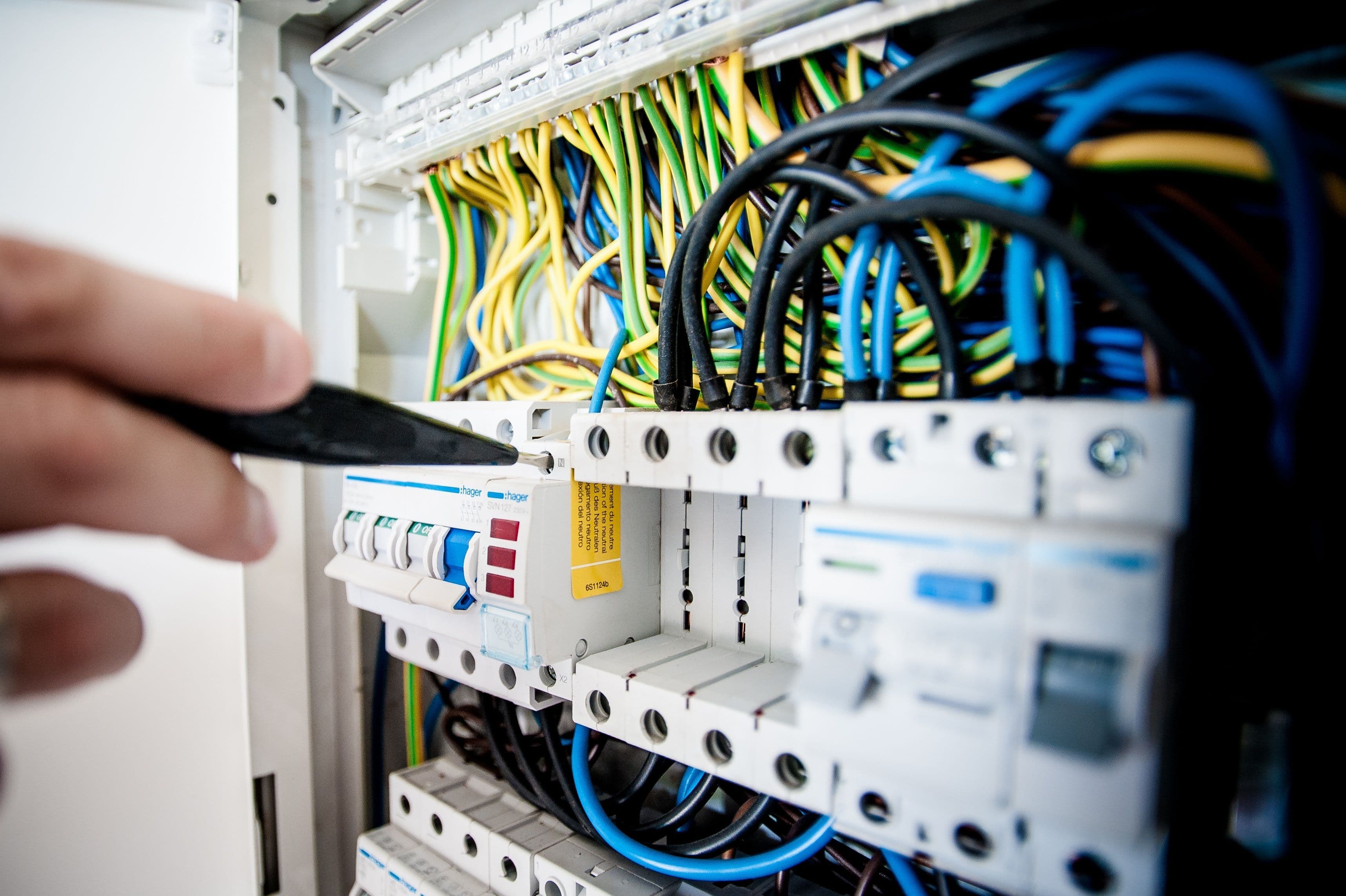
A circuit breaker is a protective device that interrupts the flow of electricity when an overload or short circuit occurs, preventing damage to wiring and appliances and mitigating the risk of electrical fires. These devices are carefully engineered to operate within specific parameters defined by their manufacturer and regulatory bodies like Underwriters Laboratories (UL). The concept of compatibility extends beyond a breaker simply fitting into a slot in the electrical panel. It involves intricate electrical and mechanical specifications.
Different brands of circuit breakers, such as Square D, General Electric (GE), Siemens, and Eaton, each have unique designs, connection methods, and internal mechanisms. Even if a breaker from one brand physically fits into a panel designed for another, it does not guarantee electrical or mechanical compatibility. For instance, the contact points, bus bar connections, and trip mechanisms can vary significantly, leading to loose connections, arcing, overheating, or failure to trip when necessary. These subtle differences, often not visible to the untrained eye, can lead to serious safety issues. Using a breaker not explicitly listed by the electrical panel manufacturer as compatible can void the panel's warranty and, more importantly, create a hazardous condition that could result in electrical shocks, fires, or damage to the entire electrical system. Adhering to manufacturer specifications and UL listings for circuit breakers is a non-negotiable aspect of electrical safety.
Signs You Need to Check Your Circuit Breaker Compatibility
Recognizing the signs that your electrical panel may have compatibility issues or require professional attention is crucial for safety. Property owners in Southeastern Wisconsin should be vigilant for the following indicators:
Frequent Tripping
While occasional breaker tripping indicates an overloaded circuit, frequent and unexplained trips could suggest an underlying issue with the breaker itself or its compatibility with the panel. A breaker that trips too often, or one that doesn't trip at all when it should, points to a potential safety concern that needs immediate investigation.
Visible Damage or Overheating Signs
Physical signs of distress around the electrical panel or breakers are a major red flag. Look for discoloration, charring, melting plastic, or a burning smell. These are strong indicators of overheating, often caused by loose connections, faulty breakers, or incompatible components. Any strange odors, especially a persistent burning plastic smell, should prompt an immediate professional inspection.
Flickering Lights or Power Surges
Inconsistent power supply, such as lights flickering without explanation or experiencing frequent minor power surges, can be symptoms of an electrical system under stress. This might be due to a failing breaker, an improperly seated breaker, or issues stemming from incompatible breaker types that struggle to handle the electrical load efficiently.
Non-Standard or Mixed Breaker Brands in the Panel
A visual inspection of your electrical panel might reveal breakers from different manufacturers or types that do not match the panel's brand. If you notice a mix of brands like Square D and GE in a panel designed for only one type, it's a clear indication that a compatibility issue might exist, requiring expert assessment.
New Appliance Installations or Load Changes
When new high-power appliances are installed or if the electrical load on your system significantly increases, ensuring your breakers and panel can safely handle the additional demand is vital. If you experience any of the above signs after such changes, it's time for a professional to verify your system's compatibility and capacity.
Ensuring Circuit Breaker Compatibility: The Professional Approach
Addressing circuit breaker compatibility issues is a task that requires professional expertise. An electrician understands the nuances of electrical systems and adheres to stringent safety protocols. Here is the general process followed by professionals to ensure proper breaker compatibility:
Step 1: Initial Assessment and Safety Shutoff
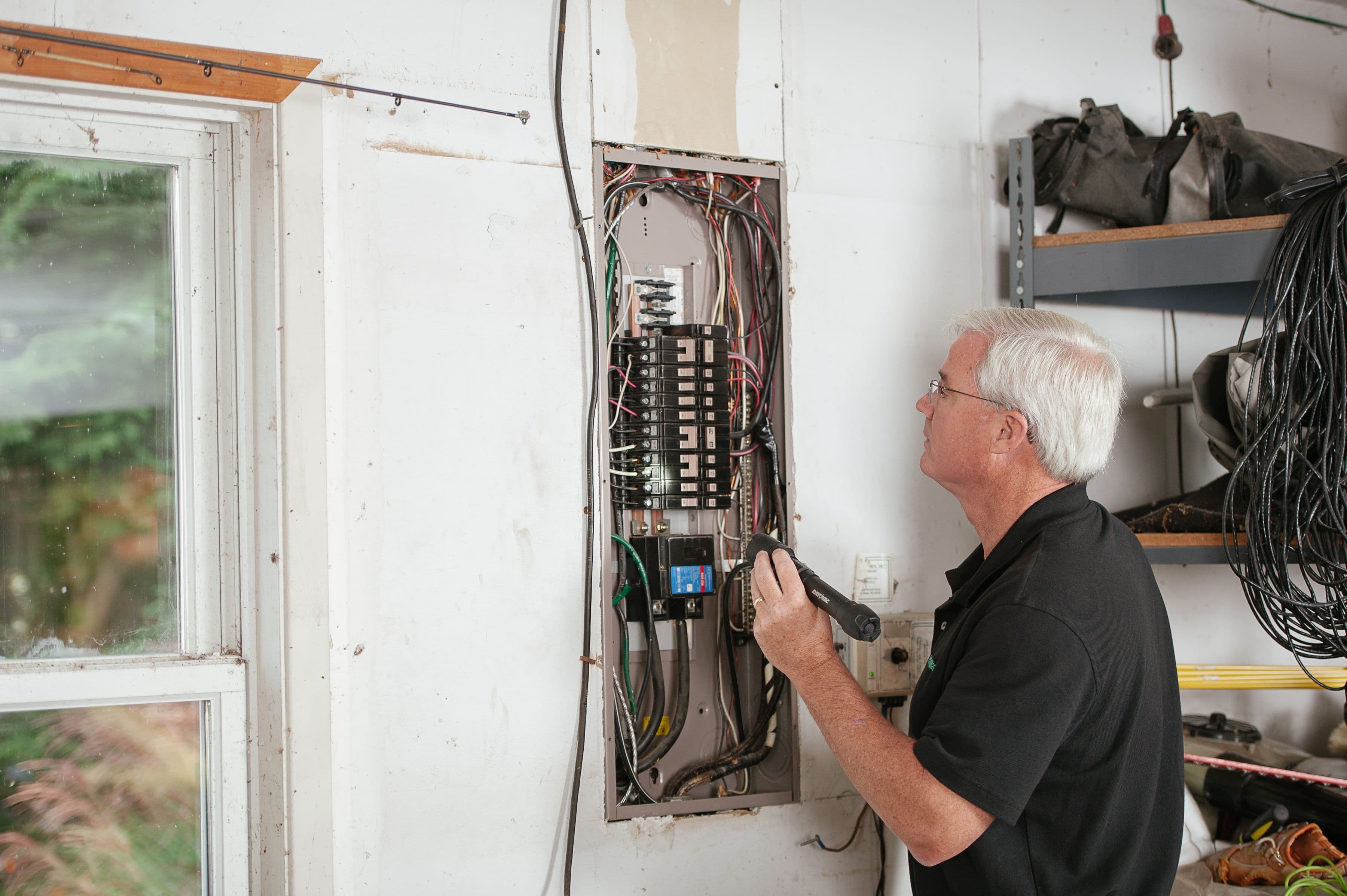
Before any work begins, a qualified electrician will perform a thorough visual inspection of the electrical panel and its components. The main power supply to the property is then safely shut off to eliminate any risk of electrical shock or short circuits during the service.
Step 2: Identifying Existing Breakers and Panel Specifications
The electrician identifies the brand, type, and amperage of all existing circuit breakers and, critically, the electrical panel itself. This information is typically found on labels inside the panel door or directly on the breakers. Understanding the manufacturer's specifications for the panel is key to determining compatible breakers.
Step 3: Researching Compatibility Standards
Using manufacturer documentation, UL listings, and industry guidelines, the electrician verifies which specific circuit breaker brands and models are approved for use with the identified electrical panel. This step is critical to ensure both mechanical and electrical compatibility.
Step 4: Sourcing Correct Replacement Breakers
If incompatible or faulty breakers are found, the electrician sources new breakers that precisely match the panel's requirements. These are often procured directly from authorized distributors to guarantee authenticity and adherence to standards.
Step 5: Professional Installation and Testing
The new breakers are installed according to manufacturer instructions and local electrical codes. After installation, the electrician performs comprehensive testing, including voltage checks and load assessments, to ensure proper functionality and safe operation of the entire electrical panel.
Step 6: Final Safety Check and Documentation
A final review of the electrical panel and all connections is conducted before restoring power. The work completed, including any replaced components and compatibility verified, is documented for the property owner's records. This systematic approach minimizes risks and ensures long-term electrical safety.
Service Coverage in Southeastern Wisconsin & Nearby Areas
Incan Electric is dedicated to serving the diverse electrical needs of Southeastern Wisconsin. Our team understands the unique electrical challenges faced by homes and businesses in this region. We provide prompt and reliable service across numerous counties, including Milwaukee County, Waukesha County, Racine County, Kenosha County, Ozaukee County, Washington County, and Walworth County. Our local expertise ensures that we are familiar with regional electrical standards and common issues, allowing for efficient and effective service delivery.
We pride ourselves on our responsiveness and commitment to the communities we serve. Whether you are in a bustling urban center or a quieter suburban area, you can expect timely assistance from skilled professionals who prioritize your electrical safety and satisfaction. Our understanding of the local infrastructure enables us to provide solutions that are not only effective but also tailored to the specific environment of Southeastern Wisconsin.
Why Choose Incan Electric for Circuit Breaker Compatibility?
When it comes to the safety and reliability of your electrical system, choosing the right professionals is paramount. At Incan Electric, we offer unparalleled expertise in addressing circuit breaker compatibility and all aspects of electrical panel services.
- Licensed and Experienced Electricians: Our team consists of highly trained and certified electricians with extensive experience in diagnosing and resolving complex electrical issues, including compatibility challenges.
- Commitment to Safety: We adhere to the strictest safety standards and electrical codes, ensuring that every service performed not only meets but exceeds expectations for safety and compliance.
- Local Knowledge: As a local company serving Southeastern Wisconsin, we understand the specific needs and regulations of the region, providing tailored solutions.
- Reliable Service: Property owners count on us for dependable and efficient service, delivered with professionalism and attention to detail. We are here to answer your questions and provide clear guidance.
For expert advice and service on circuit breaker compatibility, contact Incan Electric at (262) 235-5444. We are dedicated to ensuring the safety and efficiency of your electrical system.
Frequently Asked Questions (FAQ) About Breaker Compatibility
Q1: Can I mix circuit breaker brands if they physically fit into the electrical panel?
A1: No, it is highly recommended not to mix circuit breaker brands even if they appear to fit. Electrical panels are designed to work with specific types and brands of breakers. Using an incompatible breaker can lead to poor electrical contact, overheating, potential arcing, and failure of the breaker to trip when it should, creating significant safety hazards. Always refer to the electrical panel's manufacturer specifications and UL listings for approved breaker types.
Q2: What are the risks associated with using incompatible breakers in my electrical panel?
A2: The risks are substantial and include serious safety concerns. Incompatible breakers can lead to electrical fires, severe damage to the electrical panel and connected appliances, and even electrocution. They may not provide adequate overcurrent protection, allowing dangerous levels of electricity to flow through circuits. Additionally, using unapproved breakers can void the panel's warranty and potentially complicate insurance claims in the event of an electrical incident.
Q3: How often should my electrical panel and breakers be inspected for compatibility and safety?
A3: It is generally recommended to have your electrical panel and breakers inspected by a qualified electrician every 3 to 5 years, especially in older homes or if you've recently added major electrical appliances. Any signs of trouble, such as flickering lights, frequent tripping, or burning smells, should prompt an immediate inspection. Regular inspections help identify potential compatibility issues, wear and tear, or outdated components before they become serious hazards.
Professional Circuit Breaker Compatibility Services in Southeastern Wisconsin, WI
Ensuring the correct circuit breaker compatibility in your electrical panel is a fundamental step toward guaranteeing the safety and reliability of your entire electrical system. For homeowners and businesses throughout Southeastern Wisconsin, WI, including Milwaukee, Waukesha, and the surrounding counties, addressing this critical aspect is not just about compliance, but about peace of mind. Do not leave your electrical safety to chance. If you have concerns about your current circuit breakers, suspect compatibility issues, or need a professional assessment of your electrical panel, expert assistance is available. Contact Incan Electric today to schedule a service and ensure your electrical system is safe, efficient, and up to code. Call us at (262) 235-5444.