Introduction to Line vs Load Wiring in Southeastern Wisconsin
Electrical systems are intricate, and a fundamental understanding of their components is paramount for safety and efficiency. In Southeastern Wisconsin, from the bustling streets of Milwaukee County to the serene landscapes of Waukesha, Racine, and Kenosha Counties, homeowners and businesses rely on properly functioning electrical wiring. A critical concept in this regard is distinguishing between line wires and load wires. This distinction is not merely technical jargon; it is a cornerstone of safe electrical installation, especially when dealing with protective devices like Ground Fault Circuit Interrupter (GFCI) outlets. Misunderstanding these concepts can lead to serious hazards, including electrical shock, equipment damage, or even fire. This article aims to demystify the essential differences between line and load wiring, explaining their roles, and highlighting their importance for secure and compliant electrical systems throughout Southeastern Wisconsin.
What is Line vs Load Wire: Understanding Electrical Wiring and GFCI Outlets
At its core, electrical wiring in any structure involves a flow of current. To manage this flow safely and effectively, wires are categorized based on their function in the circuit. The terms line and load define which side of an electrical device handles the incoming power and which handles the outgoing power to other parts of the circuit.
The line wire refers to the conductors that bring electrical power from the main electrical service panel (or breaker panel) to a specific electrical device, such as an outlet, switch, or fixture. This is the source of power for that device. Typically, the hot wire (often black or red insulation) and the neutral wire (usually white insulation) coming directly from the power source are considered the line wires for that particular device. These wires carry the live current that energizes the circuit.
Conversely, the load wire describes the conductors that carry power away from an electrical device to other devices or appliances further downstream in the same circuit. For example, if a GFCI outlet is installed to protect other standard outlets, the wires connecting the GFCI to those downstream outlets are the load wires. The purpose of load wires is to extend the protection or functionality of the first device to subsequent devices. Additionally, the bare copper ground wire plays a crucial safety role, providing a safe path for fault currents to return to the earth, preventing shocks.

Signs You Need to Understand Line vs Load for GFCI Wiring
Understanding line and load wiring is particularly crucial when dealing with GFCI outlets. These essential safety devices are designed to protect against dangerous electrical shocks, especially in areas where water might be present, such as bathrooms, kitchens, laundry rooms, and outdoor spaces across Southeastern Wisconsin. Knowing how to properly wire them is vital. Here are common indicators that a thorough understanding of line vs load is necessary, or that professional electrical assistance may be required:
Non-Functional or Repeatedly Tripping GFCI Outlets
If a GFCI outlet consistently trips without an apparent ground fault, or if it fails to reset, improper wiring could be the cause. Incorrectly connecting line and load wires is a frequent culprit, preventing the GFCI from functioning as intended or mistakenly sensing a fault where none exists. This compromises safety and convenience.
Lack of Protection for Downstream Outlets
One of the key benefits of a GFCI outlet is its ability to protect multiple standard outlets connected to its load terminals. If downstream outlets are not receiving GFCI protection, it indicates a wiring error. The line and load connections must be correctly distinguished for this protective feature to extend throughout the circuit, safeguarding users in potentially hazardous areas of your Southeastern Wisconsin home or business.
New Electrical Device Installation or Replacement
When installing new outlets, switches, or light fixtures, particularly GFCIs, a precise understanding of line and load is fundamental. Attempting to install these devices without knowing which wires are which can lead to malfunction, damage to the device, or, more importantly, create dangerous electrical conditions. It is essential to correctly identify and connect the wires according to their purpose.
DIY Electrical Projects
For those embarking on their own electrical projects, even seemingly minor ones, a strong grasp of line vs load wiring is non-negotiable. Mistakes can be costly and dangerous. If there is any doubt about the wiring configuration, it is always safer to consult with or hire a licensed electrician in Southeastern Wisconsin to ensure safety and compliance with local electrical codes.
The Line vs Load Wiring Process
Wiring a GFCI outlet correctly involves a precise understanding of line and load connections to ensure proper function and maximum safety. The process requires careful attention to detail and adherence to safety protocols. Below is a step-by-step guide to the general wiring process, with a focus on GFCI outlets:
Step 1: Prioritize Safety - Disconnect Power
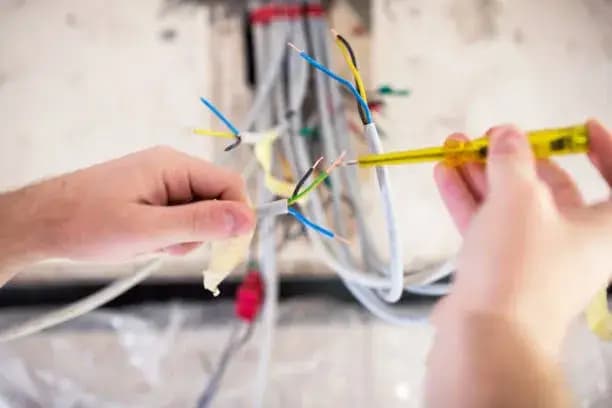
Before touching any wires, always locate the circuit breaker corresponding to the area where work will be performed and switch it to the OFF position. This is a critical safety step to prevent electrical shock. Use a voltage tester to verify that no power is present in the outlet box before proceeding. Confirming the circuit is dead is paramount.
Step 2: Identify Wires and Terminals
Carefully remove the existing outlet or switch. You will typically see several wires. Identify the hot wire (usually black or red), the neutral wire (usually white), and the ground wire (bare copper or green). On a GFCI outlet, you will find clearly labeled LINE and LOAD terminals, each with screws for hot and neutral connections. The LINE terminals are for incoming power, and the LOAD terminals are for outgoing power to protect other devices.
Step 3: Connect Line Wires
Strip approximately half an inch of insulation from the ends of the incoming hot and neutral wires. Connect the incoming hot (black) wire to the brass screw on the LINE side of the GFCI. Connect the incoming neutral (white) wire to the silver screw on the LINE side. Ensure these connections are tight and secure.

Step 4: Connect Load Wires (If Applicable)
If the GFCI is intended to protect other outlets or devices downstream, strip and connect the outgoing hot (black) and neutral (white) wires to the brass and silver screws on the LOAD side of the GFCI, respectively. If no downstream protection is needed, these terminals will remain unused. It is crucial not to mix line and load connections.
Step 5: Attach the Ground Wire
Connect the bare copper or green-insulated ground wire to the green grounding screw on the GFCI outlet. This provides a critical safety path in case of an electrical fault.
Step 6: Secure and Test
Carefully fold all wires into the electrical box, mount the GFCI outlet, and attach the cover plate. Once complete, restore power at the circuit breaker. Press the TEST button on the GFCI to ensure it trips and then press RESET to restore power. This verifies proper installation.
Costs for Professional Electrical Wiring Services in Southeastern Wisconsin
The cost of professional electrical wiring services, including understanding and implementing line vs load configurations for devices like GFCI outlets, in Southeastern Wisconsin can vary significantly. Several factors influence the final price, ensuring that each project is tailored to specific needs and complexities. Factors such as the scope of the work, the type of device being installed, the condition of existing wiring, and accessibility to the electrical box all play a role.
For a single GFCI outlet installation or replacement, homeowners in areas like Ozaukee or Washington Counties might expect to pay approximately $150 to $300. This range typically covers the labor, the cost of a standard GFCI unit, and basic materials. However, if the project involves running new dedicated circuits, upgrading electrical panels, or addressing more complex wiring challenges, the costs can increase substantially. Projects requiring extensive rewiring or multiple installations could range from $500 to several thousand dollars. Obtaining a detailed quote from a qualified electrician is always recommended to understand the specific costs associated with your electrical wiring needs.
Why Choose Incan Electric for Your Wiring Needs
When it comes to the safety and functionality of your electrical system in Southeastern Wisconsin, choosing a reputable and experienced electrical service provider is essential. At Incan Electric, we are committed to delivering exceptional electrical solutions that prioritize safety, reliability, and code compliance. Our team of licensed and highly trained electricians possesses an in-depth understanding of complex wiring principles, including the critical distinctions between line and load connections for all types of electrical devices.
We pride ourselves on our meticulous approach, ensuring that every installation, repair, or upgrade is performed to the highest industry standards. From precise GFCI outlet wiring to comprehensive circuit diagnostics, our expertise ensures that your electrical system operates safely and efficiently. Our local knowledge of Southeastern Wisconsin means we understand the specific needs and regulations of the region, providing peace of mind to our residential and commercial clients. For reliable, professional electrical wiring services, do not hesitate to contact Incan Electric at (262) 235-5444.
Frequently Asked Questions About Electrical Wiring
What is the main difference between line and load wires?
The fundamental difference lies in the direction of power flow. The line wire carries incoming power from the electrical panel to a device. The load wire carries outgoing power from that device to other devices further down the circuit. Correctly identifying these is crucial for safe installation, especially with protective devices like GFCIs.
Why are GFCI outlets essential for safety?
GFCI outlets are designed to prevent severe or fatal electrical shocks. They constantly monitor the electrical current flowing through a circuit. If a ground fault occurs - meaning electricity is leaking out of the circuit, potentially through a person - the GFCI rapidly shuts off the power, often in fractions of a second. This makes them indispensable in environments where water is present, such as bathrooms, kitchens, and outdoor areas in Southeastern Wisconsin.
Can I perform line vs load wiring myself?
While some homeowners may have basic electrical knowledge, performing any wiring, especially involving protective devices like GFCIs, carries inherent risks. Improper wiring can lead to non-functional devices, electrical hazards, or even fire. For safety and to ensure compliance with local electrical codes in Southeastern Wisconsin, it is always recommended to consult or hire a licensed and experienced electrician.
Professional Electrical Wiring Services in Southeastern Wisconsin
Ensuring the integrity and safety of your electrical system is a priority for any property owner in Southeastern Wisconsin. Proper line vs load wiring, especially for critical safety components like GFCI outlets, is not a task to be taken lightly. Rely on the expertise of professional electricians who understand the nuances of electrical codes and best practices. For all your electrical wiring needs, from new installations to troubleshooting and repairs, Incan Electric is here to provide reliable, safe, and efficient service. Contact us today for unparalleled electrical solutions that keep your home or business powered safely. Call (262) 235-5444 to schedule an appointment.