Introduction
Residents in Kenosha, WI often encounter electrical challenges, and one of the more common and concerning issues is a circuit breaker keeps tripping. This seemingly minor inconvenience can indicate a significant underlying problem with a home's electrical system, potentially leading to safety hazards if left unaddressed. Understanding why a circuit breaker trips is crucial for maintaining a safe and efficient electrical environment in any household across Southeastern Wisconsin. A circuit breaker's primary function is to protect electrical circuits from damage caused by overloaded circuits, short circuits, or ground faults. When it trips, it interrupts the flow of electricity to prevent overheating, potential fires, and damage to appliances. While resetting a tripped breaker might offer a temporary fix, recurring trips demand professional troubleshooting to identify and resolve the root cause. This article aims to provide a clear understanding of this issue for homeowners in Kenosha, WI, and emphasize the importance of expert intervention.
Understanding Why a Circuit Breaker Keeps Tripping
A circuit breaker is designed as a safety device within an electrical panel. Its role is to protect the wiring and appliances from excessive current by automatically shutting off the power when an anomaly is detected. When a circuit breaker keeps tripping, it indicates that this safety mechanism is being repeatedly activated, signaling a persistent issue. The most common reasons for a breaker to trip fall into a few distinct categories. An overloaded circuit occurs when too many high-power appliances or devices are drawing electricity from a single circuit simultaneously. For example, plugging a space heater, a vacuum cleaner, and a microwave into outlets on the same circuit can easily exceed its capacity, causing the breaker to trip to prevent wiring from overheating. This is a frequent occurrence in older homes in Kenosha, WI with less robust electrical systems.
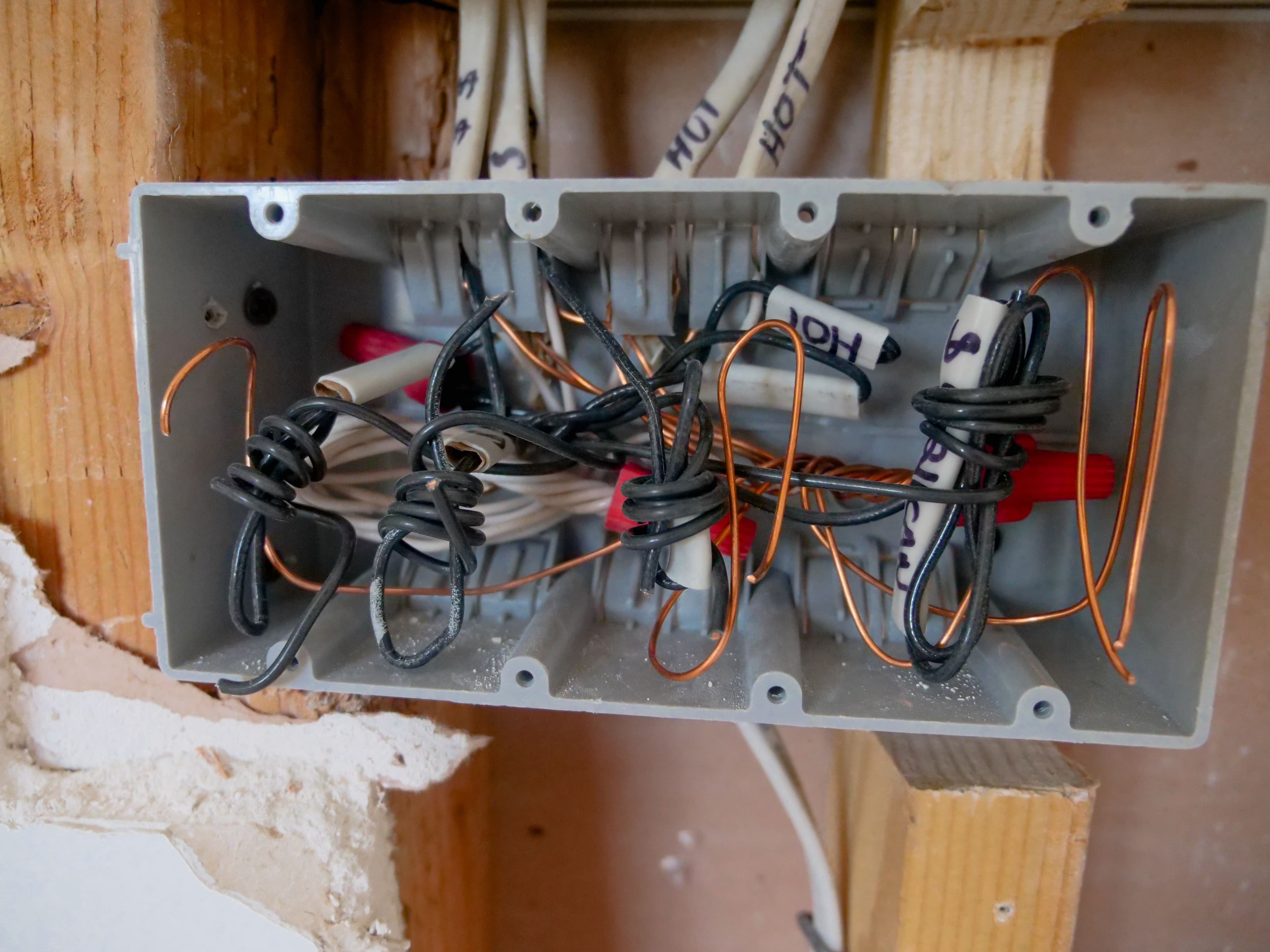
Another significant cause is a short circuit. This happens when a hot wire touches a neutral wire, creating a direct path for current and bypassing the normal resistance of appliances. This results in a sudden, massive surge of current, which the breaker immediately detects and interrupts. Short circuits can be caused by damaged wiring insulation, loose connections, or faulty appliances. Similarly, a ground fault occurs when a hot wire touches a ground wire or a grounded part of an appliance or outlet. This is particularly dangerous as it can lead to electric shock if a person becomes part of the fault path. Ground faults are often associated with moisture or damaged appliance cords, especially in areas like kitchens, bathrooms, or outdoors. Understanding these distinctions is the first step in effective troubleshooting and ensuring the safety of your home's electrical system.
Signs Your Electrical System Needs Attention
Beyond the obvious sign of a circuit breaker keeps tripping, there are several other indicators that your electrical system in Kenosha, WI may require professional assessment. Recognizing these signs early can prevent more serious issues, including electrical fires or system failures. Regular vigilance can help homeowners identify problems before they escalate. It is essential to pay close attention to how your electrical system behaves, especially if you live in an older property that may not have been updated to meet modern electrical demands.
Frequent or Recurring Trips
If a specific circuit breaker trips repeatedly, even after you've tried unplugging devices, it's a strong indication of an underlying problem beyond a simple overloaded circuit. This could point to a persistent short circuit, a ground fault, or even a faulty breaker itself. Such a situation demands immediate professional troubleshooting to prevent damage or fire hazards.
Burning Odors or Discoloration
Any unusual burning smell coming from outlets, switches, or the electrical panel is a serious warning sign. This odor often indicates overheating wires or components, which can quickly lead to an electrical fire. Similarly, discolored outlets or switch plates, especially those appearing scorched or melted, are clear indicators of excessive heat and potential fire risk. Safety is paramount; switch off power and seek professional help immediately.
Flickering Lights or Dimming Power
Lights that flicker, dim, or brighten unexpectedly, particularly when major appliances turn on, suggest an electrical system struggling to provide consistent power. This can be a sign of an overloaded circuit, loose wiring, or an inadequate electrical service capacity for your home. While not as dramatic as a tripping breaker, it indicates an electrical imbalance that should be investigated.
Buzzing Sounds or Warm Outlets/Switches
Audible buzzing or crackling sounds from electrical outlets, switches, or the service panel indicate loose connections or faulty components, which can generate heat and pose a fire risk. Outlets or switch plates that feel warm to the touch (beyond a slight warmth on dimmer switches) also signal overheating. These are crucial signs that professional troubleshooting is required.
The Professional Troubleshooting and Repair Process
When a circuit breaker keeps tripping in your Kenosha, WI home, it's crucial to seek professional assistance rather than attempting complex electrical repairs yourself. Electrical work carries inherent risks, and improper handling can lead to injury or further damage. A qualified electrician follows a systematic process to diagnose and resolve the issue safely and effectively.
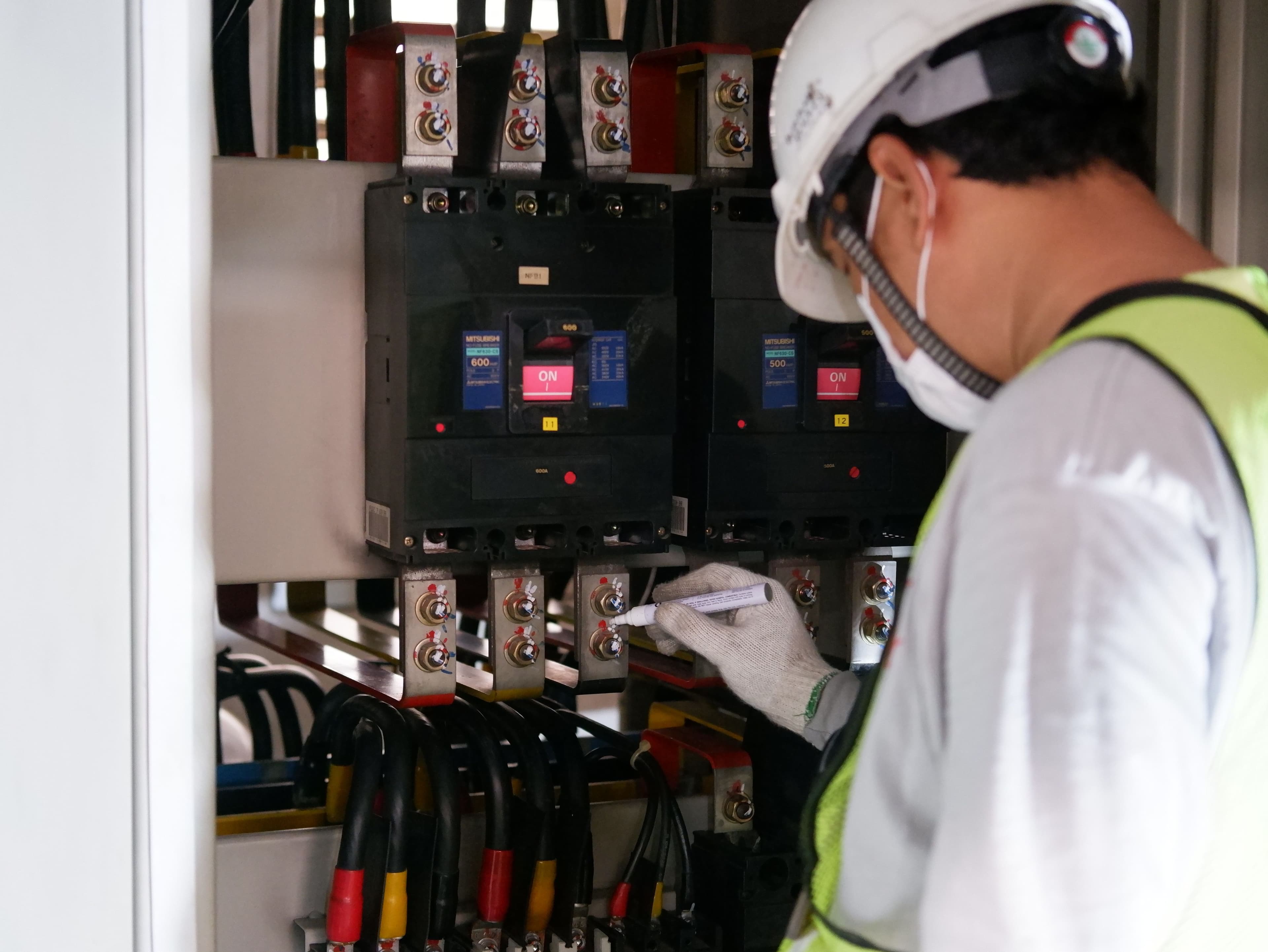
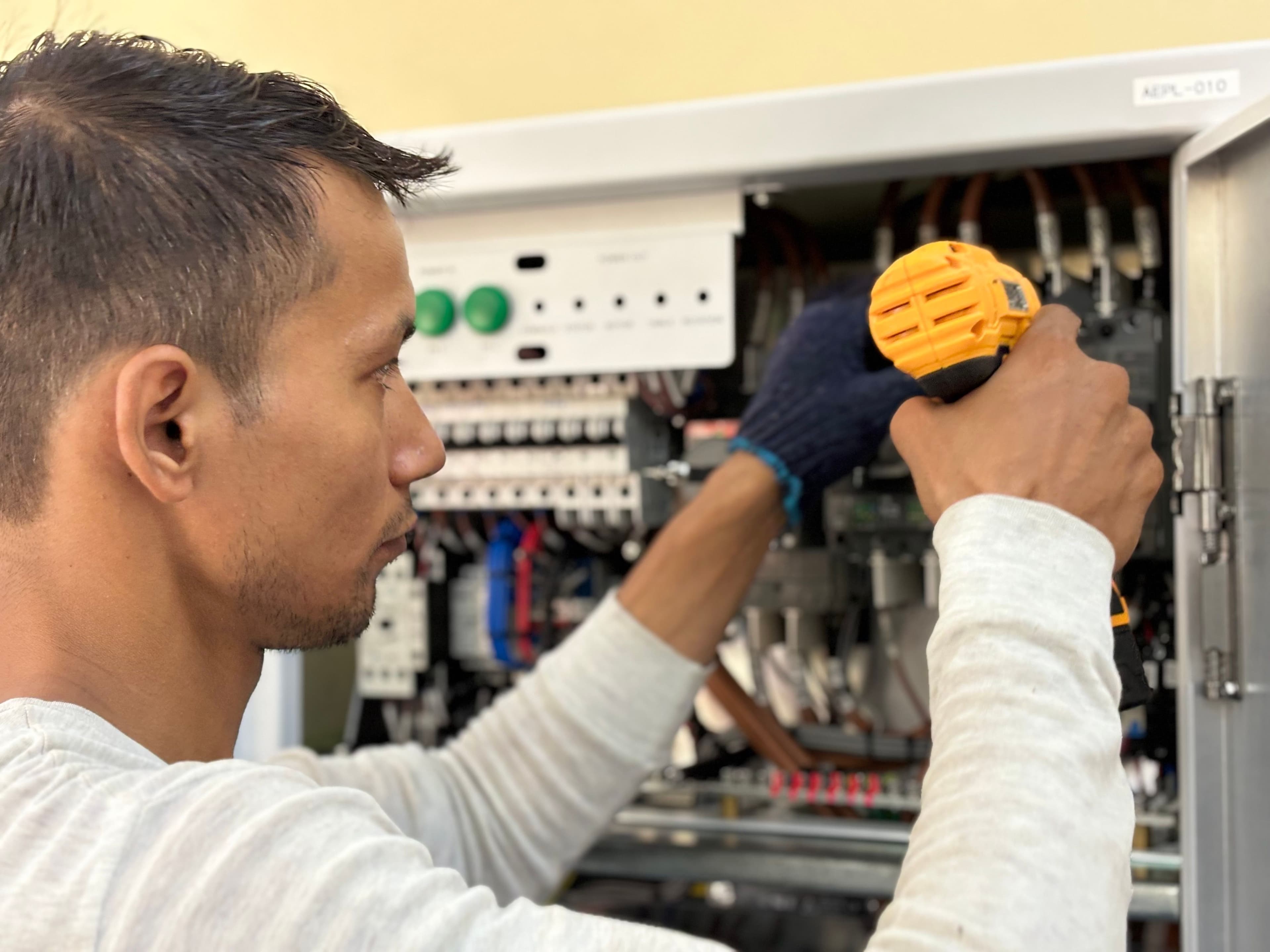
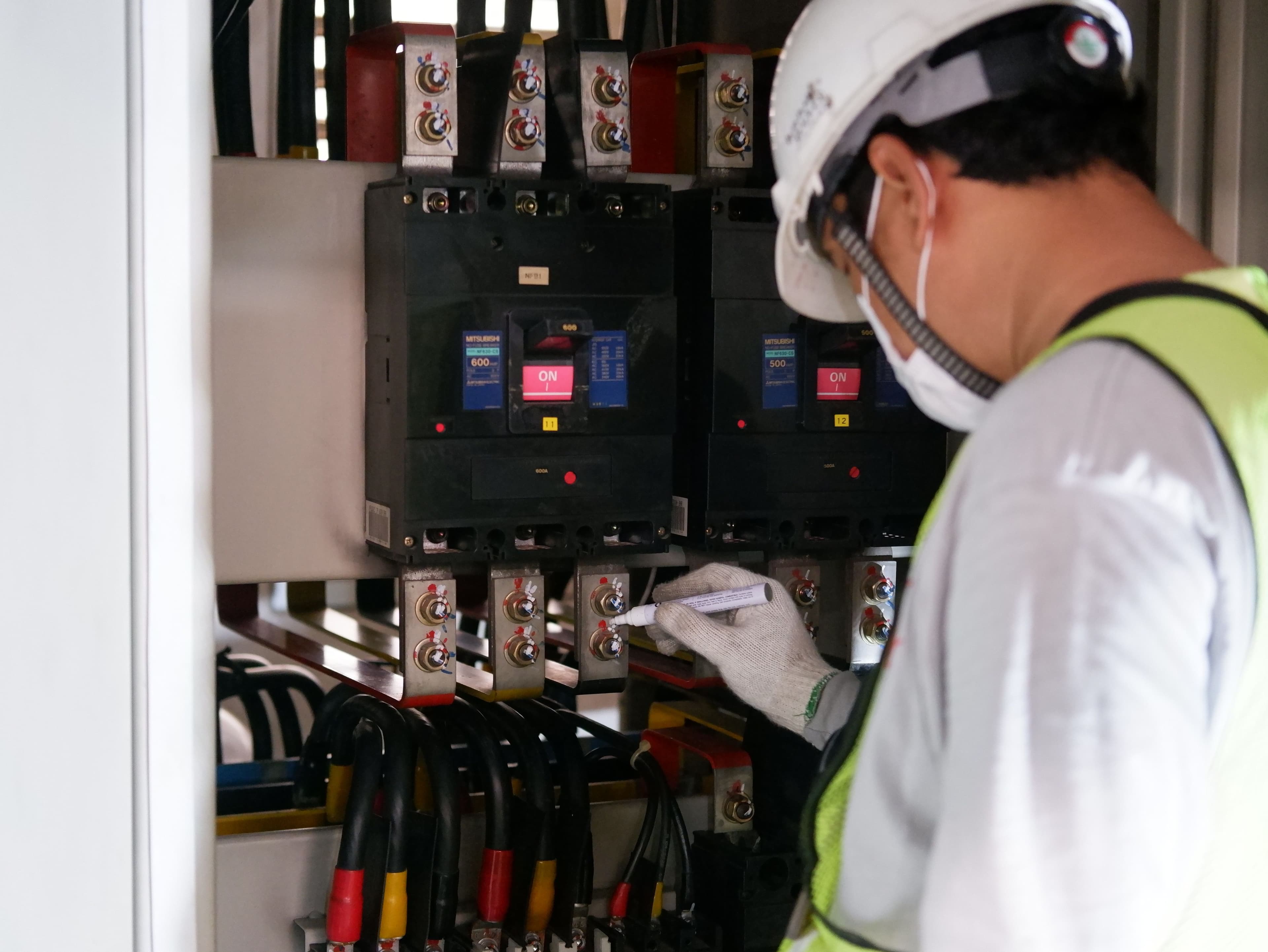
- Initial Assessment and Safety Check: The process begins with a thorough inspection of the electrical panel and affected circuits. An electrician will assess the breaker panel for any visible signs of damage, wear, or incorrect wiring. Safety protocols are always observed to ensure a secure working environment.
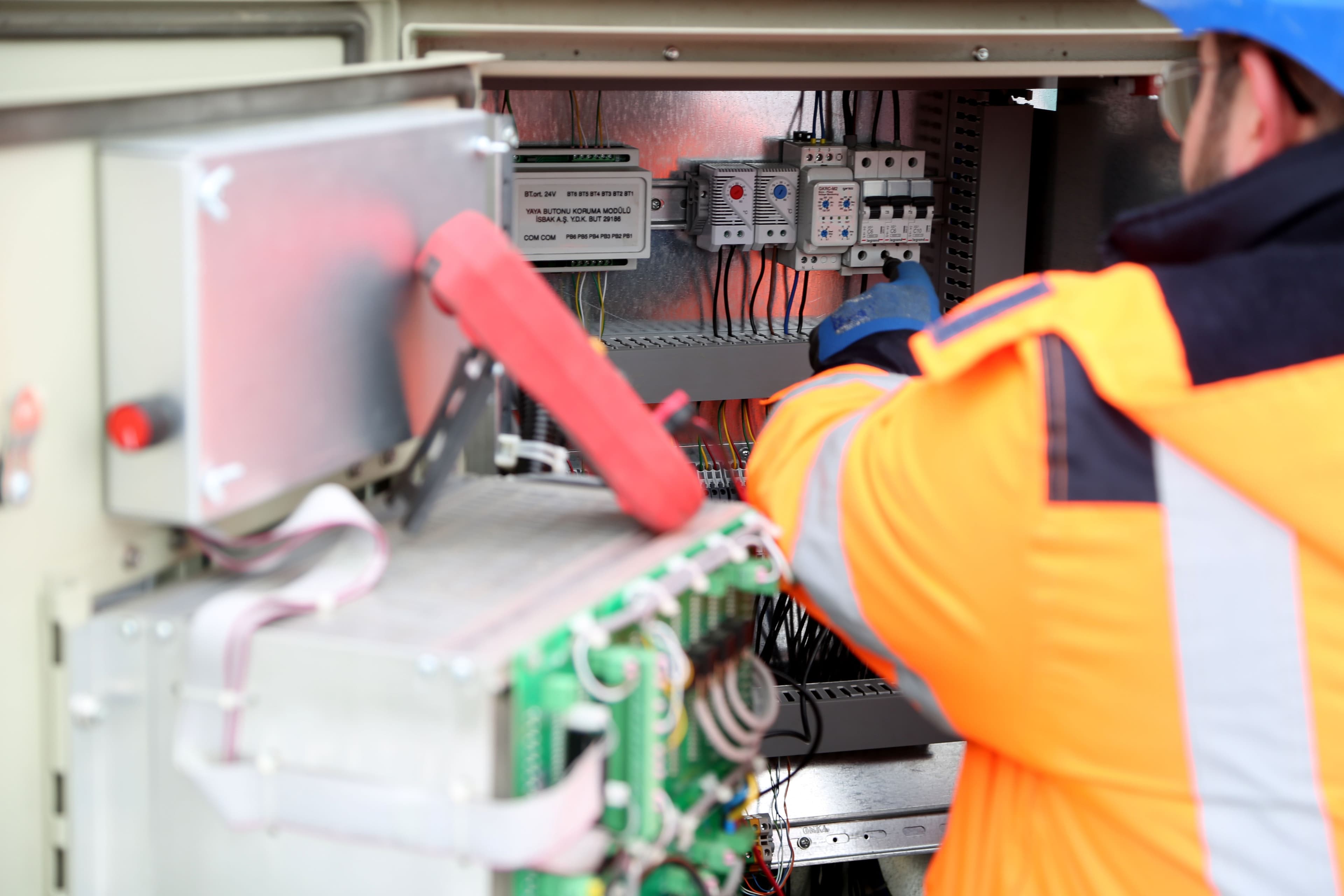
- Identifying the Cause: Using specialized tools, the electrician will perform diagnostic tests to pinpoint the exact reason for the tripping. This involves checking for overloaded circuits by measuring current draw, identifying short circuits or ground faults within the wiring, outlets, switches, or connected appliances. They may use a multimeter to check for continuity, voltage, and resistance, isolating the problematic section of the circuit.
- Troubleshooting and Repair Options: Once the cause is identified, the electrician will propose appropriate solutions. If an overloaded circuit is the culprit, solutions might include redistributing loads to other circuits, adding new dedicated circuits, or upgrading the electrical panel if the home's overall capacity is insufficient. For short circuits or ground faults, repairs could involve replacing damaged wiring, faulty outlets or switches, or addressing issues within connected appliances. In some cases, a faulty breaker itself may need replacement.
- Testing and Verification: After repairs are completed, the electrician will meticulously test the circuit to ensure the problem is fully resolved and that the electrical system operates safely and efficiently. This step is critical to confirm the effectiveness of the repair and prevent future occurrences of the circuit breaker keeps tripping issue.
Professional troubleshooting ensures that electrical problems are not only fixed but that the underlying cause is understood and mitigated, providing lasting safety and peace of mind for homeowners.
Local Service Coverage in Kenosha, WI & Surrounding Areas
Understanding local electrical codes and the unique infrastructure often found in Kenosha, WI, is paramount for effective electrical services. Our expertise extends across Kenosha, WI, and the wider Southeastern Wisconsin region, ensuring that residents receive prompt and knowledgeable assistance for issues like a circuit breaker keeps tripping. A rapid response time is often critical, especially when electrical faults compromise home safety or daily operations. Local electricians possess intimate knowledge of area-specific challenges, such as older wiring systems prevalent in historical neighborhoods, or the demands placed on electrical grids during peak usage times.
Service extends beyond the immediate city limits to neighboring communities, providing comprehensive electrical solutions. This includes towns and areas like Pleasant Prairie, Somers, Bristol, and Brighton. The commitment is to offer reliable troubleshooting and repair services to ensure every home in the service area benefits from safe and efficient electrical systems. Whether dealing with overloaded circuits, short circuits, or ground faults, local expertise ensures solutions are tailored to the regional context and climate.
Why Incan Electric is a Trusted Choice in Southeastern Wisconsin
When facing electrical issues such as a circuit breaker keeps tripping, homeowners in Kenosha, WI, need a reliable and experienced partner. Incan Electric offers professional electrical services grounded in safety, efficiency, and customer satisfaction. We prioritize accurate diagnostics and lasting repairs for all electrical concerns, from common overloaded circuits to complex short circuits or ground faults. Our team of licensed and insured electricians is equipped with the knowledge and tools for comprehensive troubleshooting and effective solutions.
We understand the urgency that electrical problems can present and are dedicated to providing timely and respectful service throughout Southeastern Wisconsin. Our commitment is to restore safety and functionality to your electrical system with minimal disruption. For dependable electrical assistance, please reach out to us directly at (262) 235-5444. We are here to ensure your home's electrical infrastructure is sound and dependable.
Frequently Asked Questions About Tripping Circuit Breakers
What should I do immediately if my circuit breaker trips?
First, unplug all devices from the outlets on the affected circuit. Next, go to your electrical panel and locate the tripped breaker, which will typically be in the 'off' or middle position. Firmly push the breaker all the way to the 'off' position, then switch it back to 'on'. If it immediately trips again, do not reset it repeatedly, as this indicates a serious electrical fault. At this point, it is safest to contact a professional electrician in Kenosha, WI, for troubleshooting.
Can a constantly tripping circuit breaker be a fire hazard?
Yes, absolutely. A circuit breaker keeps tripping for a reason-to prevent electrical wiring from overheating due to overloaded circuits, short circuits, or ground faults. If the breaker itself is faulty and fails to trip when necessary, or if the underlying electrical issue is ignored, wires can overheat, potentially melting insulation and igniting surrounding materials. Prompt diagnosis and repair are essential for fire prevention.
When is it necessary to call an electrician for a tripped breaker?
While an occasional trip due to a known, temporary overloaded circuit (like running too many appliances) might be manageable by unplugging devices, it's necessary to call an electrician if the breaker trips frequently, immediately after being reset, or if you notice any other warning signs such as burning smells, buzzing sounds, or flickering lights. These symptoms suggest a deeper electrical fault that requires professional troubleshooting to ensure the safety and integrity of your home's electrical system in Kenosha, WI.
Professional Electrical Solutions in Kenosha, WI
Ensuring the electrical safety and reliability of your home in Kenosha, WI, is a critical aspect of homeownership. When a circuit breaker keeps tripping, it's more than an inconvenience; it's a signal that your electrical system needs expert attention. Ignoring these warnings can lead to potential hazards and costly repairs down the line. For thorough diagnostics, professional repairs, and peace of mind, trust the skilled electricians serving Kenosha, WI, and Southeastern Wisconsin. Ensure your home's electrical infrastructure is sound and reliable. For dependable service and expert troubleshooting, contact a trusted local electrician. Call (262) 235-5444 today for assistance.